
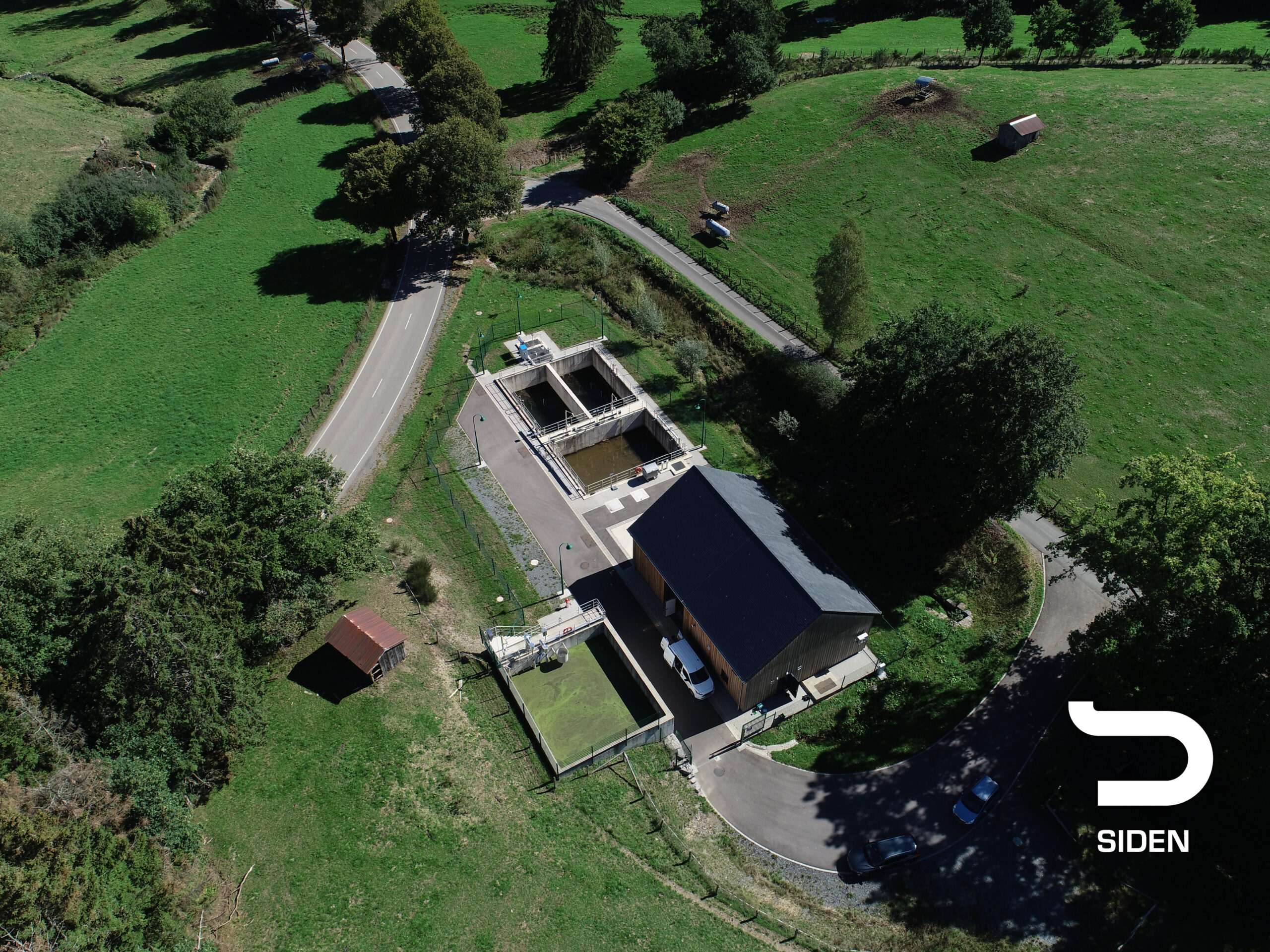
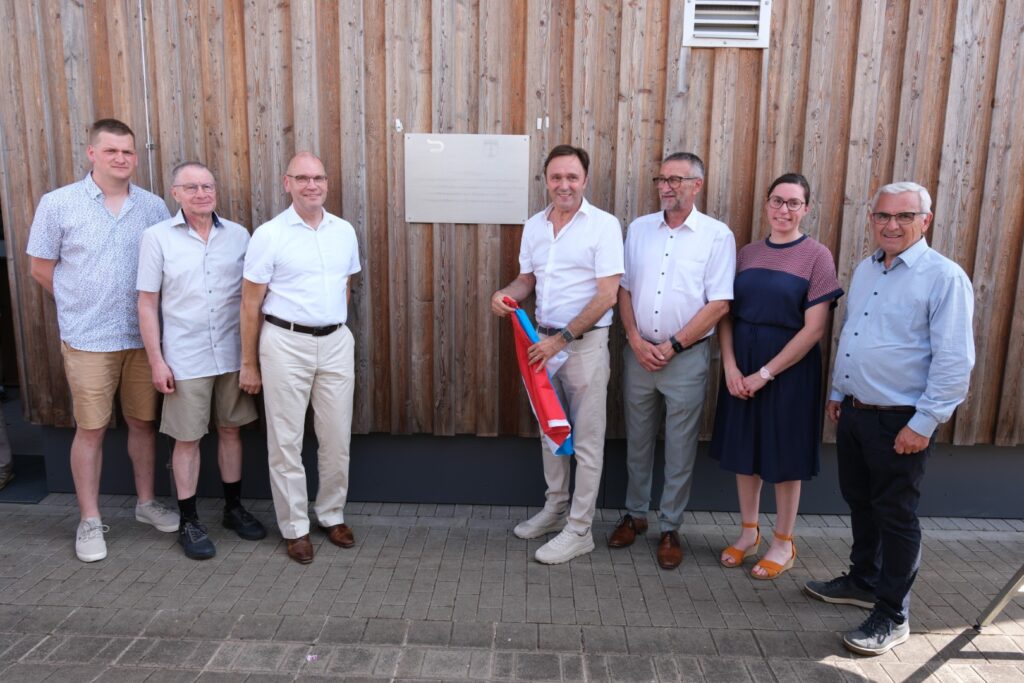
On 25 June 2026, the Brachtenbach wastewater treatment plant in the municipality of Wincrange was officially inaugurated. This provides an excellent opportunity to review the current state of wastewater treatment and the developments that have taken place in the municipality of Wincrange.
Wastewater treatment in the municipality of Wincrange
When the municipality of Wincrange joined the SIDEN wastewater syndicate in 2006, the gradual modernisation of the outdated wastewater infrastructure began. The aim was to connect the 27 localities to a small number of modern treatment plants, thereby meeting current water protection requirements. Due to limited financial and human resources, a master plan with clear priorities was drawn up. At the same time, there was an urgent need for action, as state funding allocations had been steadily decreasing over the years.
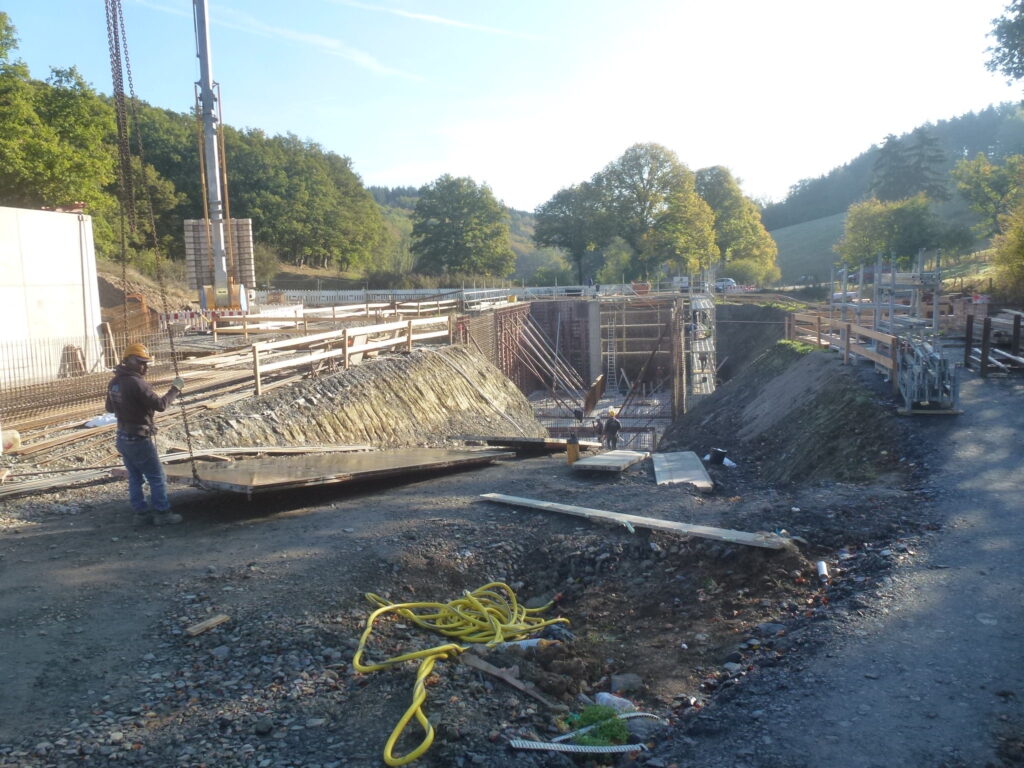
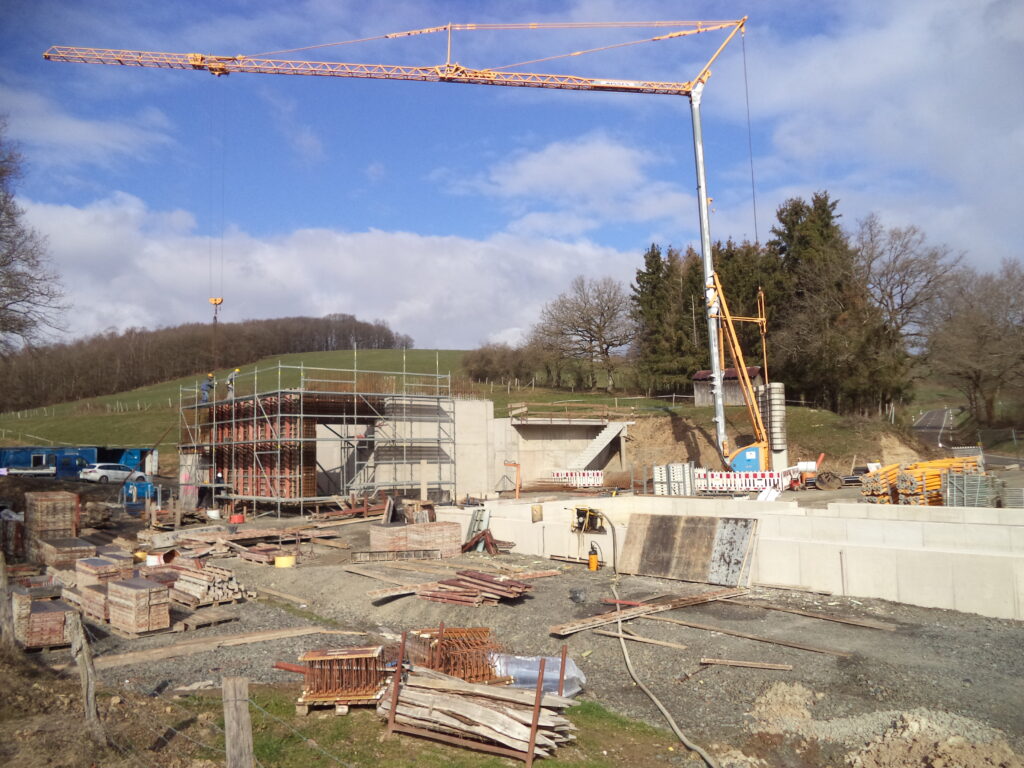
Following the initial projects in Bovange and Troine, the Brachtenbach wastewater treatment plant was built between 2018 and 2021; it now treats wastewater from Brachtenbach and Derenbach. Work then began on the Sassel plant in the Asselborn area. Next in line is the Schimpach treatment plant, with construction due to start in early 2027. Plans are already underway to connect the villages of Hachiville, Hoffelt and Weiler to the Sassel plant.
These projects mark an important milestone for wastewater treatment in the municipality of Wintger.
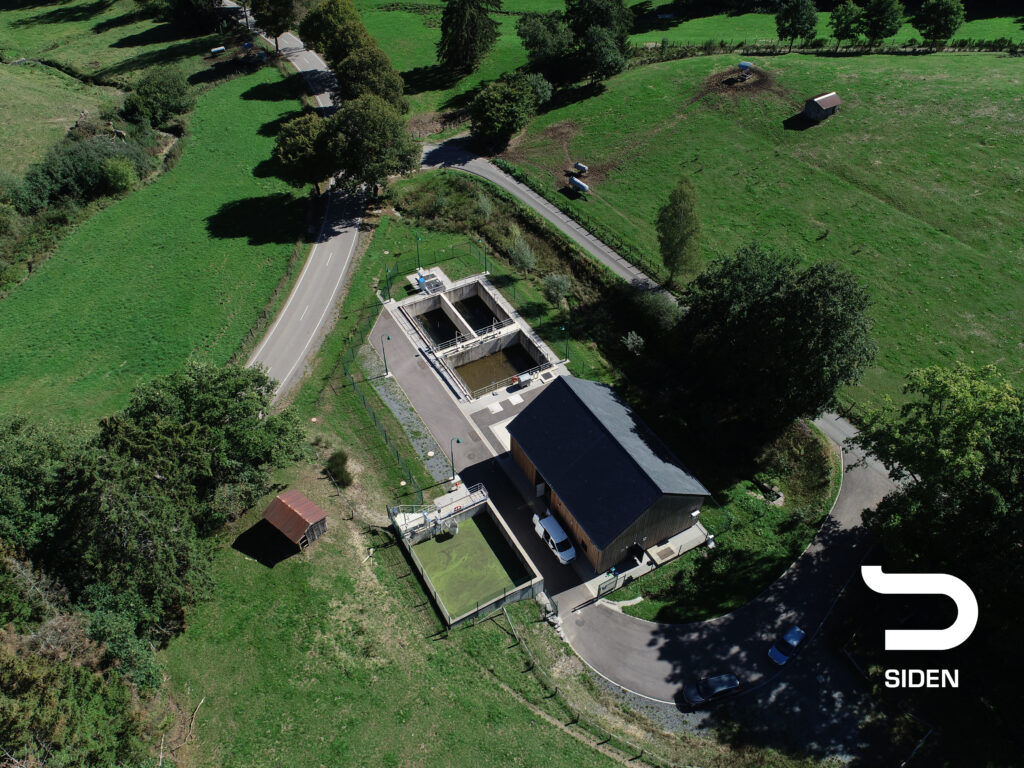
The Brachtenbach treatment plant became operational in 2021 and now treats wastewater from the villages of Derenbach and Brachtenbach.
It has a treatment capacity of 1,000 PE (population equivalent). The operation of this wastewater treatment plant comprises the following elements:
Mechanical pre-treatment
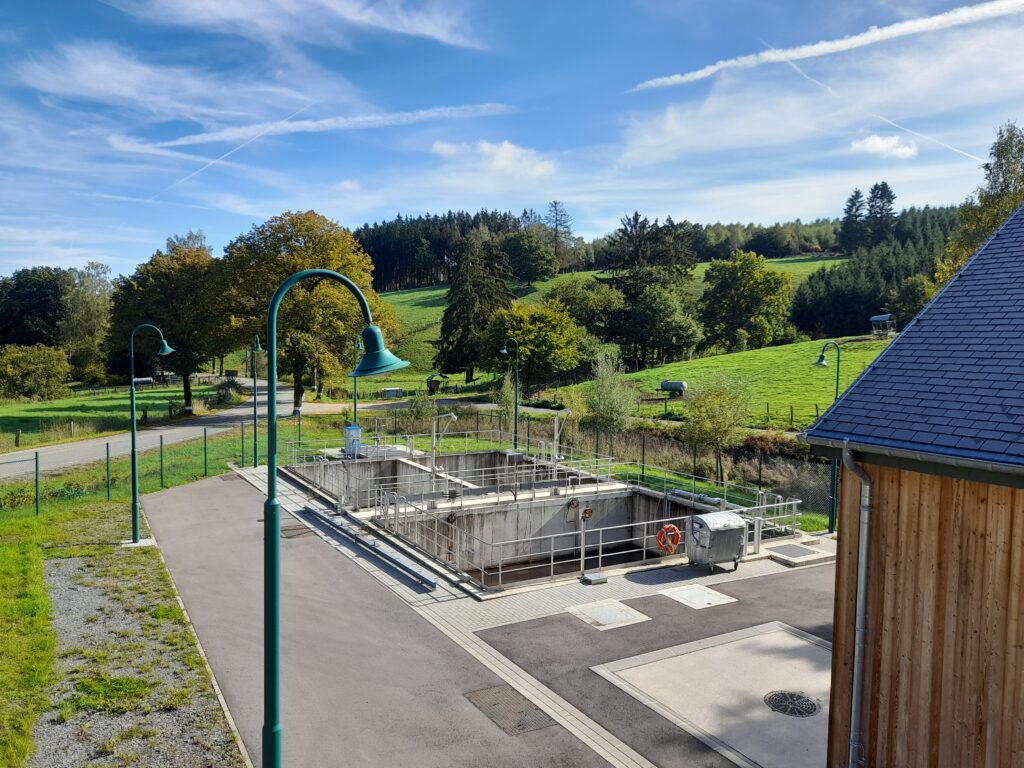
Firstly, the wastewater undergoes mechanical pre-treatment, which is carried out in a compact unit. Here, a bar screen system removes materials larger than 5 mm. In addition, the wastewater is degreased and desanded within the same unit. The waste generated here is washed, baled, collected in containers and subsequently transported to the landfill.
Biological treatment
Before the wastewater is fed into the biological treatment stage, phosphorus compounds are chemically separated by the addition of aluminium salts. The precipitation and separation of the phosphate sludge thus produced takes place together with the activated sludge from the biological stage.
In the subsequent biological purification, carbon and nitrogen compounds are broken down. This takes place in accordance with the so-called BIOCOS® system. In the activation tank, oxygen is injected via aeration plates fitted with membranes. This is carried out using rotary piston blowers, which are installed in the operations building.
The injected oxygen enables the bacteria to absorb the pollutants. In addition to the activation tank, there are two tanks designated SU (sedimentation/circulation). These are used alternately.
Whilst one of the tanks is in the sedimentation phase – during which sludge settles and the treated wastewater is discharged – the contents of the second tank are recirculated and used for oxygenation.
After the biological stage, the treated wastewater is discharged into the Kirelbaach stream.
Sludge treatment
The excess sludge produced is collected in the rectangular sludge storage tank, where it is thickened statically. The thickened sludge is periodically transported to the Boevange sludge treatment plant for dewatering.
Some facts about the wastewater treatment plant:
| Specifications | Values |
| Capacity | 1,000 population equivalents |
| Dry weather flow | 15.5 m³/h |
| Maximum rainwater flow rate | 65 m³/h |
| Volume of the biological tank | 303 m³ |
| Volume of the sedimentation tank | 2 × 220 m³ |
| Storage capacity of the sludge stackable container | 300 m³ |
| Derenbach stormwater overflow basin | 283 m³ |
| Brachtenbach stormwater overflow basin | 236 m³ |
Further information: https://www.siden.lu/index.php?page=70&idouvrage;=199575&numlangue;=1