
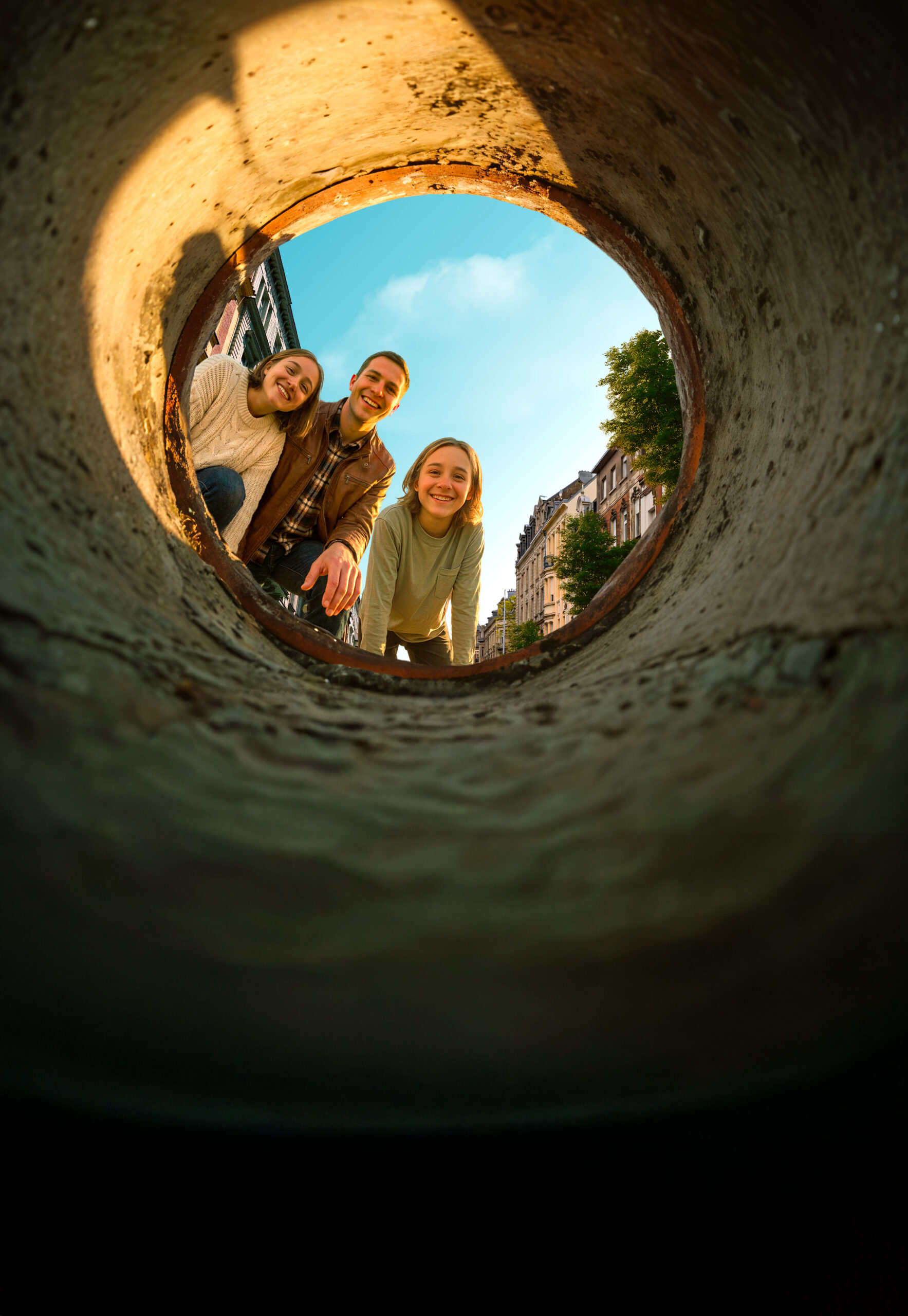
Every day, waste disappears down the drain. Medicines, wipes, oils… we throw them away and forget about them. But what we think we have disposed of continues on its journey.
It travels through the sewer system, reaches treatment plants, sometimes escapes into rivers… and can even find its way back into our drinking water.
Why talk about Wastewater?
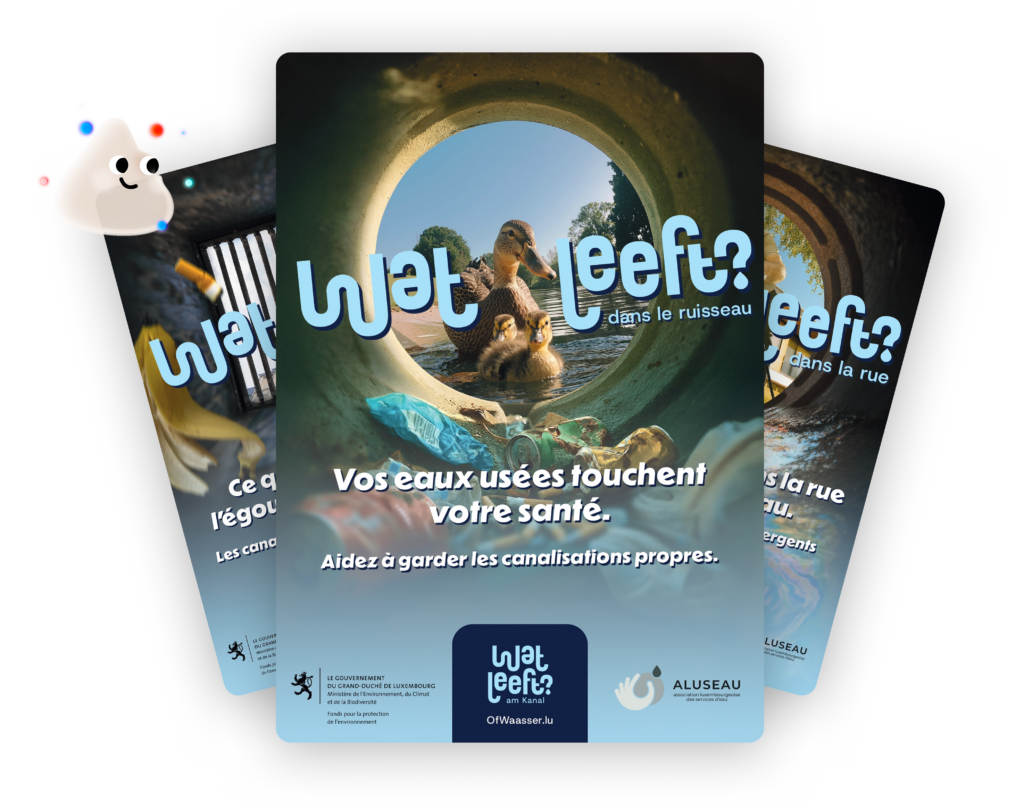
Wastewater is largely invisible in everyday life, yet its proper management is essential for both public health and the environment. The “Wat leeft?” campaign, led by Aluseau a.s.b.l., brings together all public water stakeholders in Luxembourg to explain how wastewater is collected and treated, and how we can better protect it.
Over a three-year period, the campaign will highlight how wastewater infrastructure works, promote the right actions to adopt and highlight the work carried out by teams on the ground. Its aim is to make this complex subject clearer and more accessible to everyone.
“Wat leeft am Kanal” in figures
Discover an interactive digital experience that brings the key figures from “Wat leeft am Kanal” to life. Step by step, explore what the data reveals about our daily habits, our routines and the real impact of wastewater in Luxembourg.
A simple and concrete way to understand where we stand today — and why every action counts.

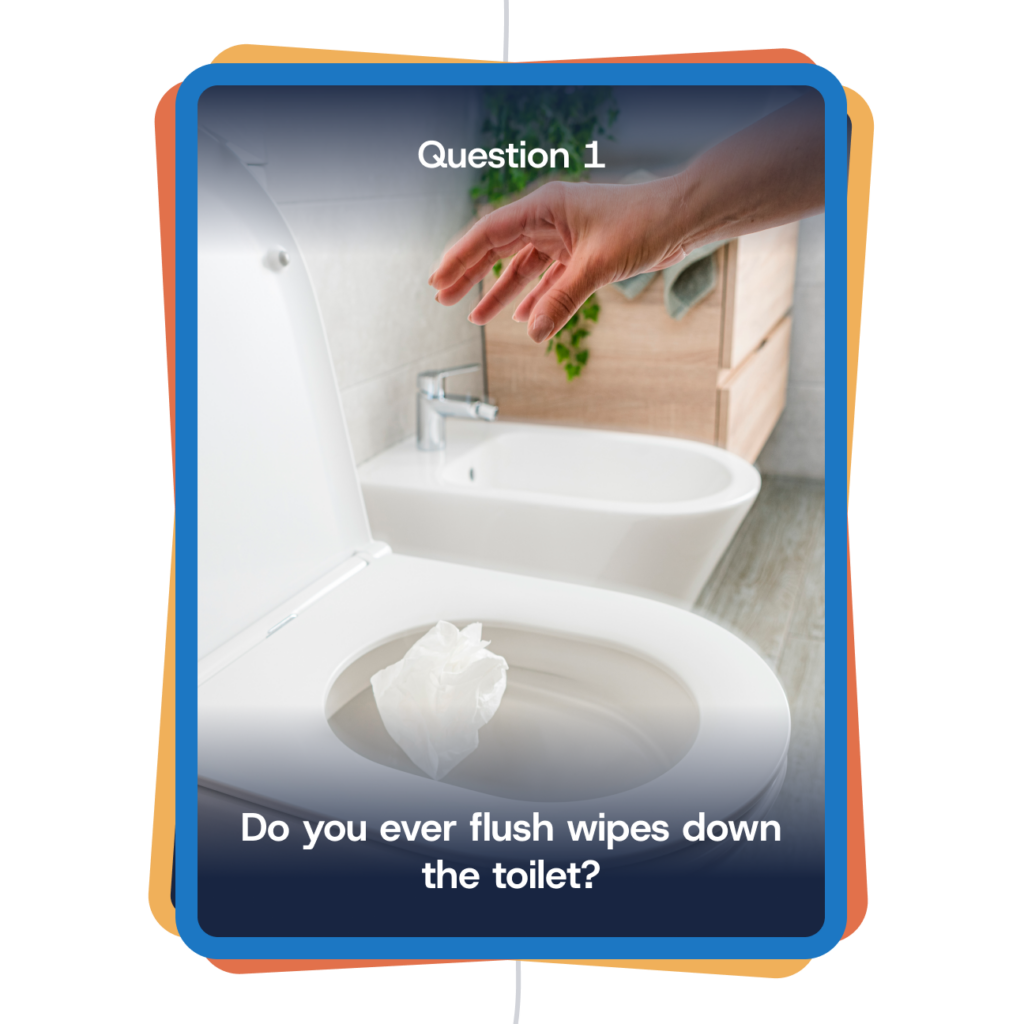
Quiz
Test Your Everyday Disposal Habits!
Some actions may seem harmless… until they block a pipe.
Because a good habit can prevent serious damage, find out whether you’re up to speed – or whether there’s still room for improvement.
Take part in our quiz and put your habits to the test.
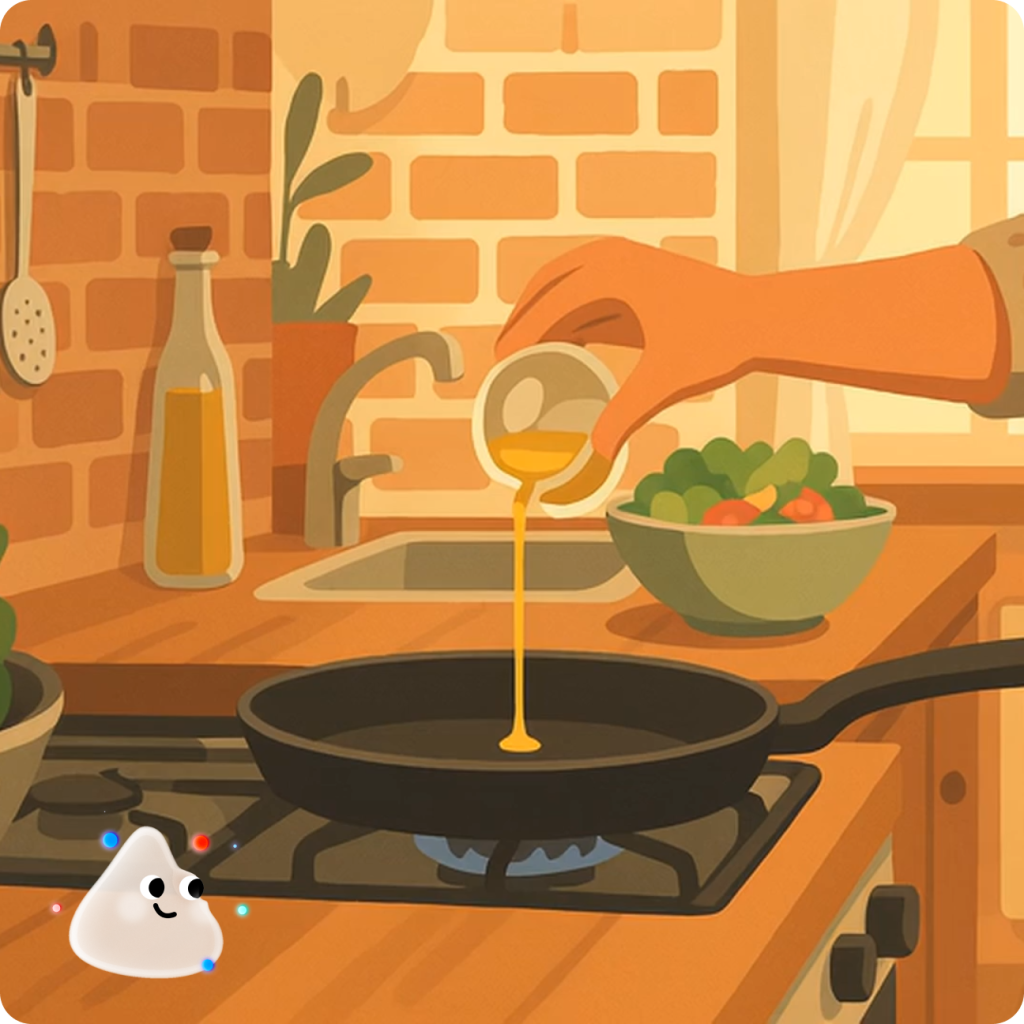
Adopt the right habits in your daily life
Every day, small actions can make a big difference. Medicines, oils, wipes, household products… What we pour down the drain does not disappear – it ends up in our environment. Discover how to reduce your impact through simple, practical actions that anyone can adopt.
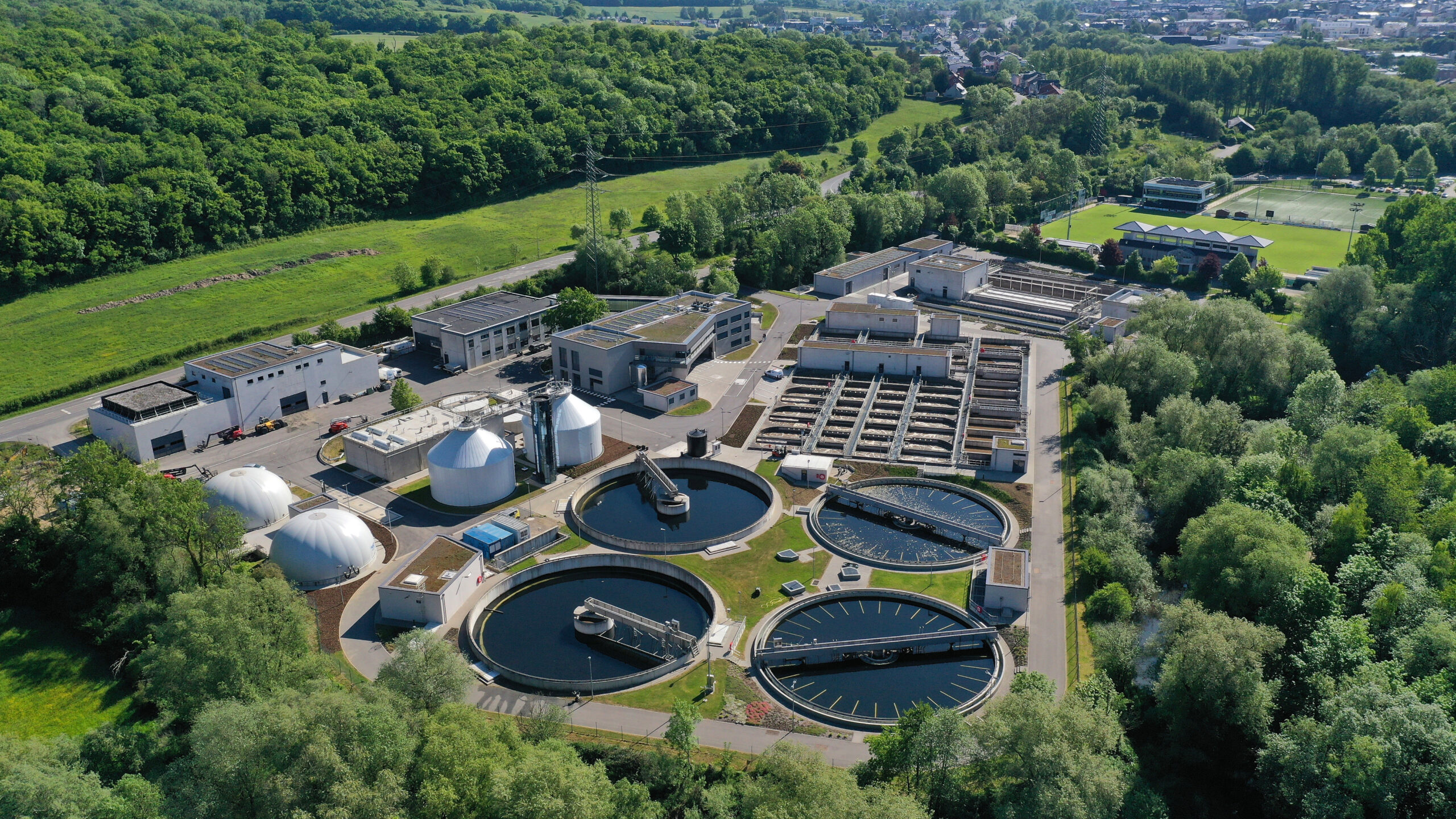
Wastewater treatment plants play a vital role in the proper management of our water resources.
What goes down the drain always ends up somewhere. Wastewater treatment plants work every day to protect our water, but they have their limits. Some substances, such as medicines, chemicals, microplastics and fats, do not fully disappear.

Follow the journey of your wastewater with Clea.
Clea is a drop of water like any other – but her journey is far from ordinary. From the pipes in your home to her return to the river, she travels through a whole invisible world. Watch, listen… and remember: nothing simply disappears.
8 items too often found in our drains
Every year, thousands of objects are removed from wastewater treatment facilities. Too often mistakenly thrown into sinks or toilets, they disrupt water treatment processes and damage our infrastructure. These are the worst enemies of our pipes.
Chemicals

Pollute water even in very small quantities
Cooking oils and fats

Harden in pipes and cause blockages
Wipes

Clog pipes and pumps — even those labelled “biodegradable”
Sanitary tampons

Non‑degradable and impossible to filter
Cotton buds

Too small to be filtered and non‑degradable
Condoms

Non‑degradable and impossible to filter
Sanitary pads

Non‑degradable and impossible to filter
Paint

Contain toxic substances that pollute water
Waat leeft? Some useful insights from the ILRES study.

1 in 2 people
has a general understanding of how domestic wastewater is disposed of and treated in Luxembourg. 1 in 4 has no knowledge at all.
60%
of respondents are familiar with the terms used for wastewater disposal. 1 in 5 does not know how wastewater is managed in their own household.
1 in 2 people
believes that not all households in Luxembourg are connected to a wastewater treatment plant.
79%
of respondents have never visited a wastewater treatment plant.
3 out of 4 people
are unaware of the cost of wastewater treatment.
49%
of the population is unaware of how water treatment is managed in their municipality.
60%
feel sufficiently informed about waste disposal.
2 products
For the vast majority, only two products can be disposed of down the drain.
On our networks

Through the “Wat leeft?” campaign, we lift the veil on what happens in our sewer systems and wastewater treatment plants. On our social media channels, discover clear information, practical advice and educational content to better understand the journey of wastewater and adopt, in your daily life, simple actions in favour of water and the environment.
Follow us to stay informed, learn what really “circulates”, and contribute yourself to a responsible and sustainable management of our resources.