
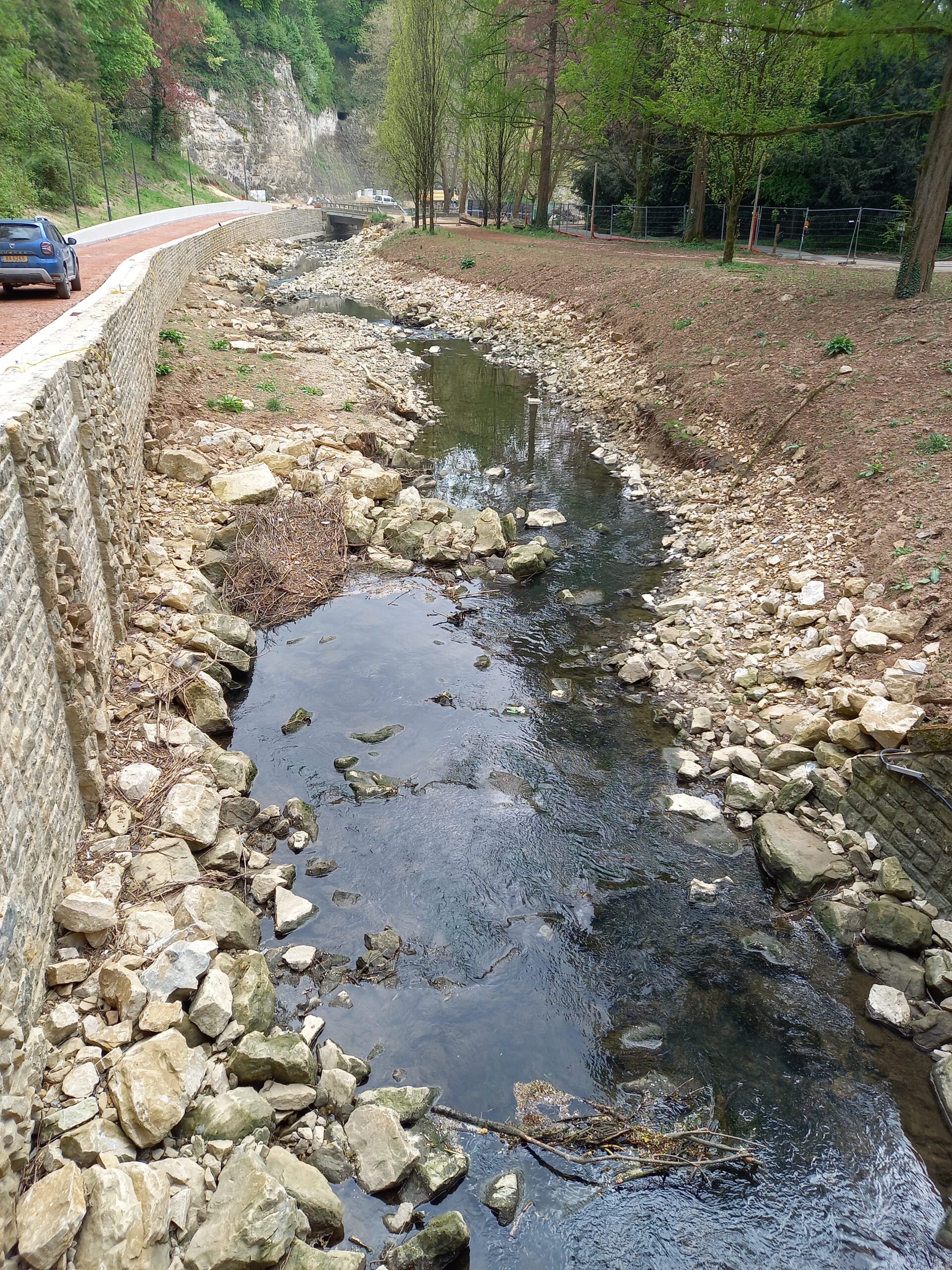
Protecting Water Quality Through River Restoration
Water in our streams and rivers is one of our most valuable resources. To restore our waterways to a good condition, we need both natural watercourses and a responsible approach to wastewater management.
This idea was also at the heart of the second national Renaturéierungsdësch (River Restoration Round Table), which took place on 21 July 2026 in Mondorf-les-Bains. Under the leadership of Environment Minister Serge Wilmes, together with Interior Minister Léon Gloden and the Water Management Administration, concrete measures were presented to accelerate the restoration of Luxembourg’s waterways.
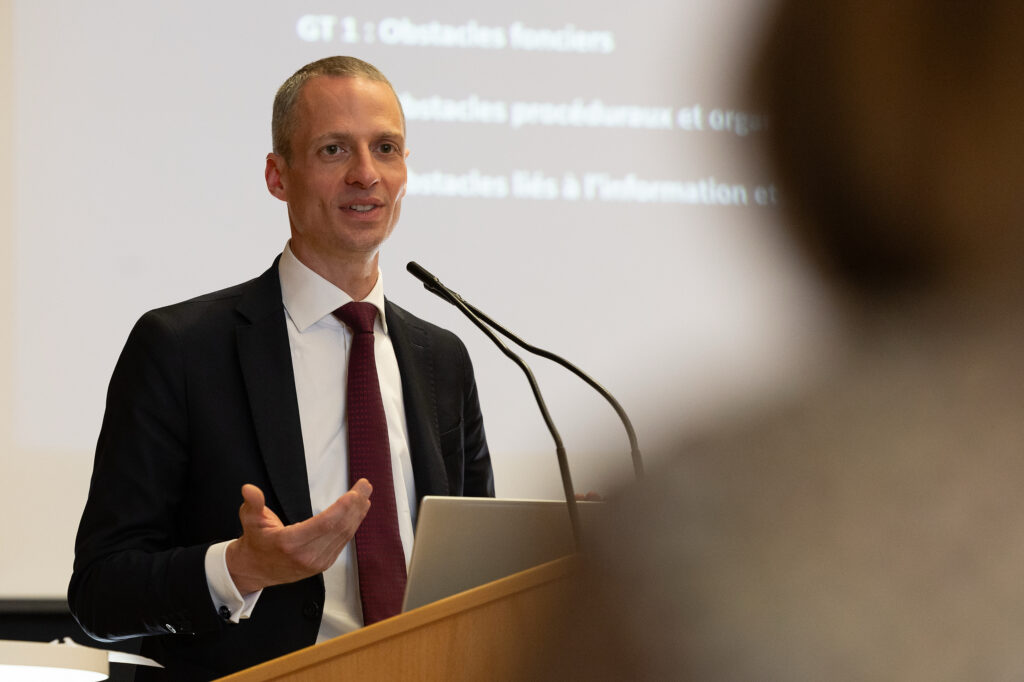
Serge Wilmes, ministre de l’Environnement, du Climat et de la Biodiversité
© SIP – Claude Piscitelli
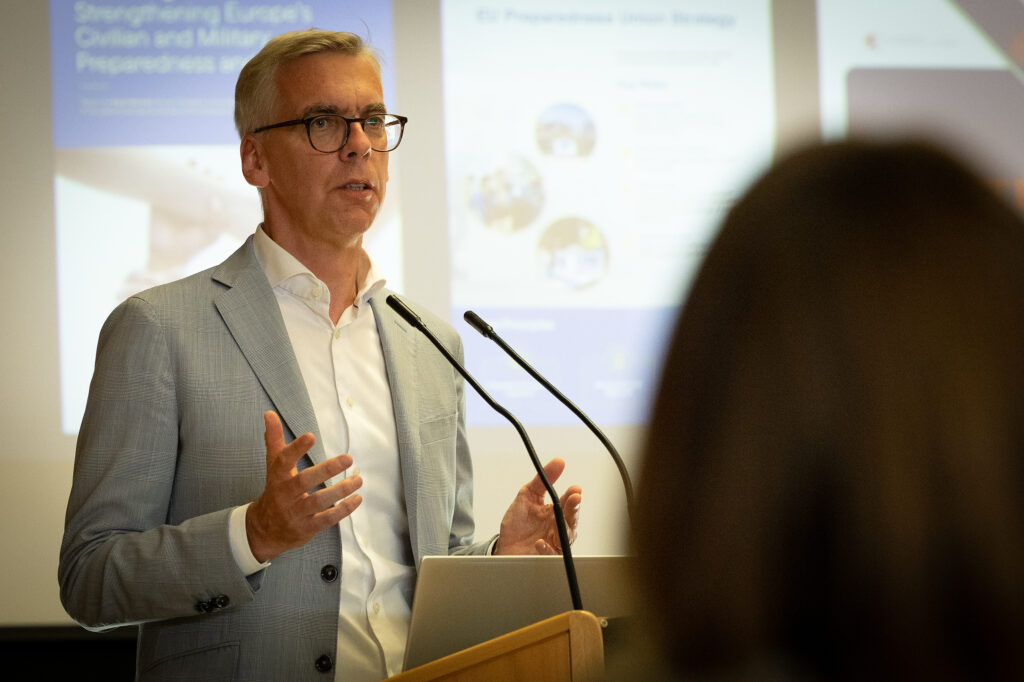
Léon Gloden, ministre des Affaires intérieures
© SIP – Claude Piscitelli
Natural Watercourses Are More Resilient
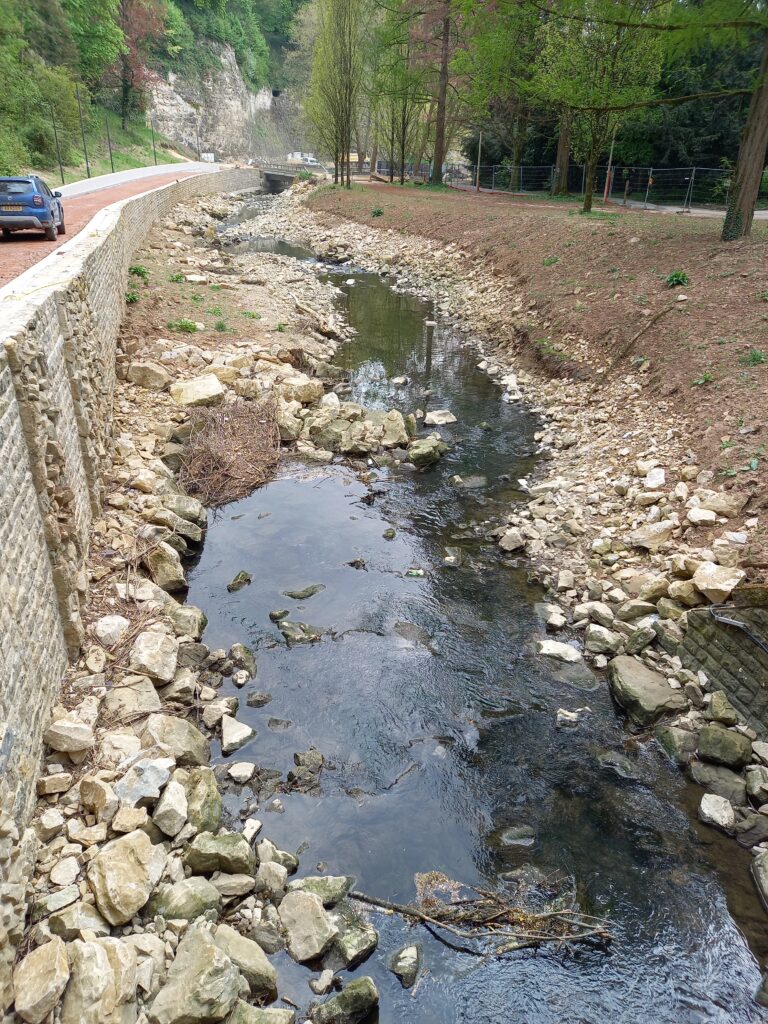
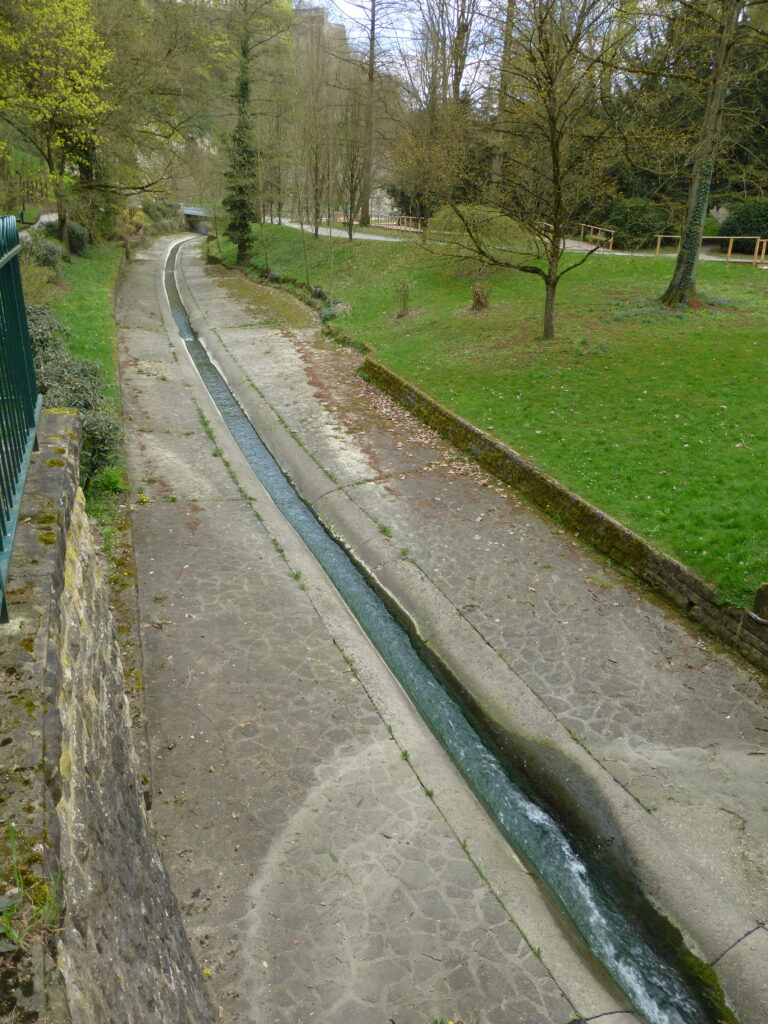
River restoration aims to return streams and rivers to a more natural state by providing them with greater space and allowing them to follow their natural course. Beyond creating healthier habitats for plants and wildlife, restored waterways play a vital role in climate resilience. They can retain larger volumes of water, reduce flood risks, and lessen the effects of extended heat and drought periods.
As Environment Minister Serge Wilmes underlined, river restoration delivers multiple benefits at once: it strengthens biodiversity, protects water resources, and supports Luxembourg’s efforts to adapt to climate change.
51 Measures to Accelerate Progress
The national Round Table served as a key forum for presenting 51 measures designed to advance river restoration in Luxembourg. Developed jointly by municipalities, public administrations, and stakeholder organisations, the measures seek to improve coordination between partners, simplify administrative processes, facilitate land mobilisation, and strengthen public engagement.
Collectively, these actions contribute to a wider effort to make Luxembourg’s waterways more resilient and better prepared for the challenges posed by climate change and extreme weather events.
Water Quality Matters to Us All
The health of our rivers and streams depends not only on their physical condition, but also on the quality of the water flowing through them. While wastewater in Luxembourg is largely treated in modern treatment facilities, certain pollutants can still find their way into the environment.
These include residues of pharmaceuticals, household chemicals, and other substances that should never be disposed of via sinks or toilets. Once released into the sewer system, such pollutants can be difficult and costly to remove. In some cases, they may ultimately end up in rivers and streams, affecting aquatic ecosystems and water quality.
Protecting our waterways therefore requires a comprehensive approach that combines effective wastewater management with investments in healthy, functioning river ecosystems.
Everyone Has a Role to Play
Building resilient waterways is a shared responsibility. Simple everyday actions can make a meaningful difference in reducing pollution and protecting Luxembourg’s water resources.
Citizens can contribute by:
- Returning unused or expired medicines to designated collection points rather than disposing of them in toilets or sinks;
- Collecting and disposing of cooking oils and fats separately;
- Only flushing items intended for the wastewater system;
- Choosing environmentally friendly products whenever possible.
These small but important actions help reduce pressure on wastewater treatment systems and contribute to cleaner rivers, streams, and groundwater resources.
Working Together for Healthy Waterways
River restoration and water quality go hand in hand. Restored rivers and streams can fully deliver their ecological, climatic, and hydrological benefits only when they are supported by clean and healthy water.
The measures presented during the Round Table reflect Luxembourg’s commitment to strengthening the resilience of its waterways and adapting to the challenges posed by climate change. Their successful implementation, however, depends on close cooperation between national authorities, municipalities, businesses, landowners, and citizens.
By working together, we can safeguard our water resources, restore valuable aquatic habitats, and ensure that future generations continue to benefit from healthy rivers, clean water, and resilient landscapes.
© SIP – Claude Piscitelli
© SIP – Claude Piscitelli