

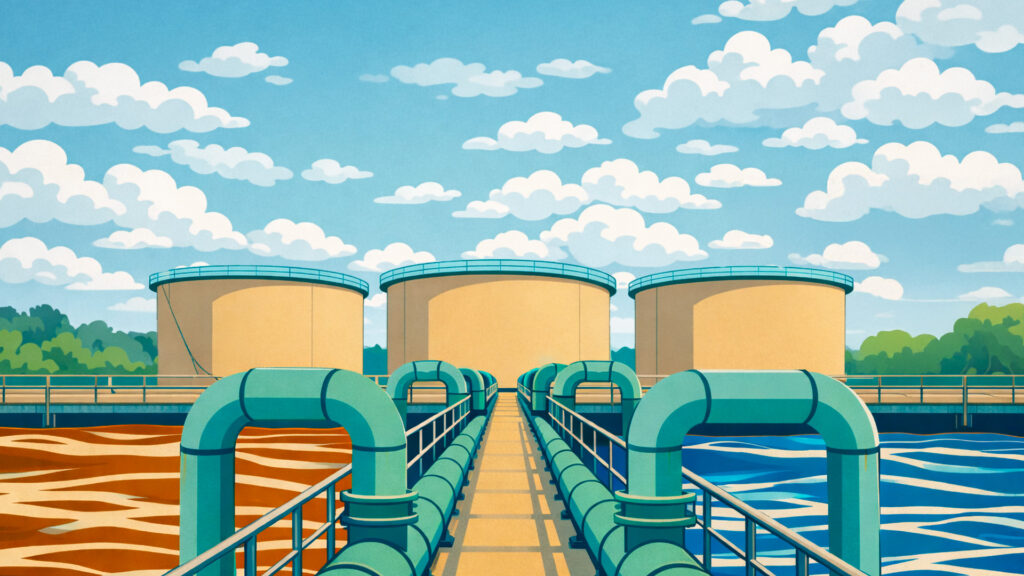

In total, approximately 1,250,000 population equivalents must be treated in Luxembourg.
In total, approximately 1,250,000 population equivalents of wastewater must be treated in Luxembourg (situation in 2024). As of the reference date of 1 January 2024, 672,050 inhabitants were registered in Luxembourg according to STATEC.
The difference between the number of inhabitants and the population equivalents can be explained, on the one hand, by the inclusion of daily commuters and, on the other hand, by the need to provide additional treatment capacity for commercial, industrial, agricultural and other similar uses.
The population equivalent of a wastewater treatment plant is calculated by adding together the number of inhabitants actually connected to the system and the population equivalents attributed to discharges from commercial, industrial, agricultural and other sources of wastewater. Population equivalents describe the quantity and composition of wastewater produced, calculated theoretically per inhabitant per day.
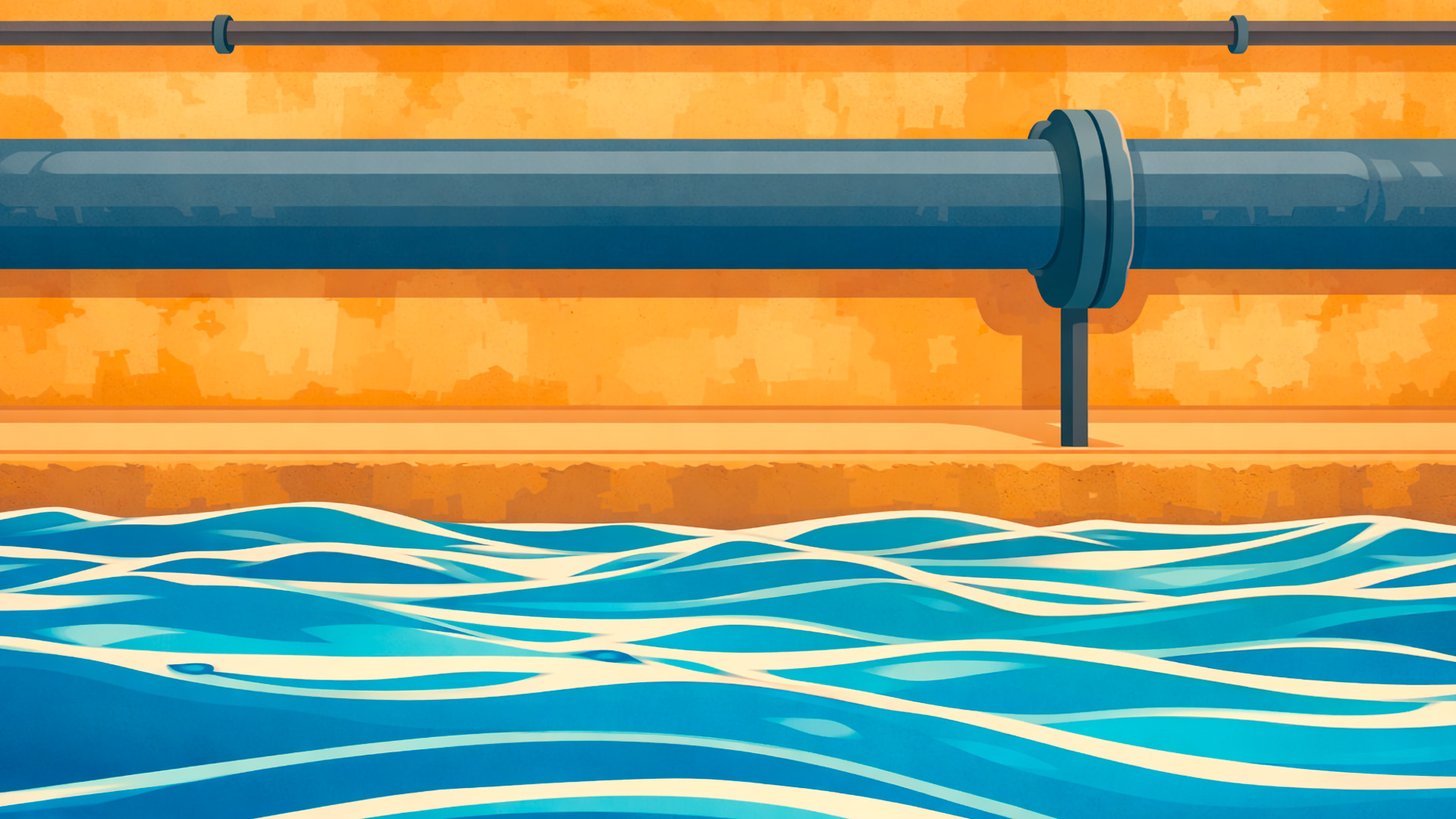

Over 99% of Luxembourg’s population is connected to public biological wastewater treatment plants.
Over 99% of Luxembourg’s population is connected to public biological wastewater treatment plants (situation in 2024).
The proportion of the population not yet connected to a public sewage treatment plant is approximately 4,450 inhabitants. However, in most cases, wastewater from these households is pre-treated in private septic tanks before being discharged into the public sewer system or directly into a watercourse.
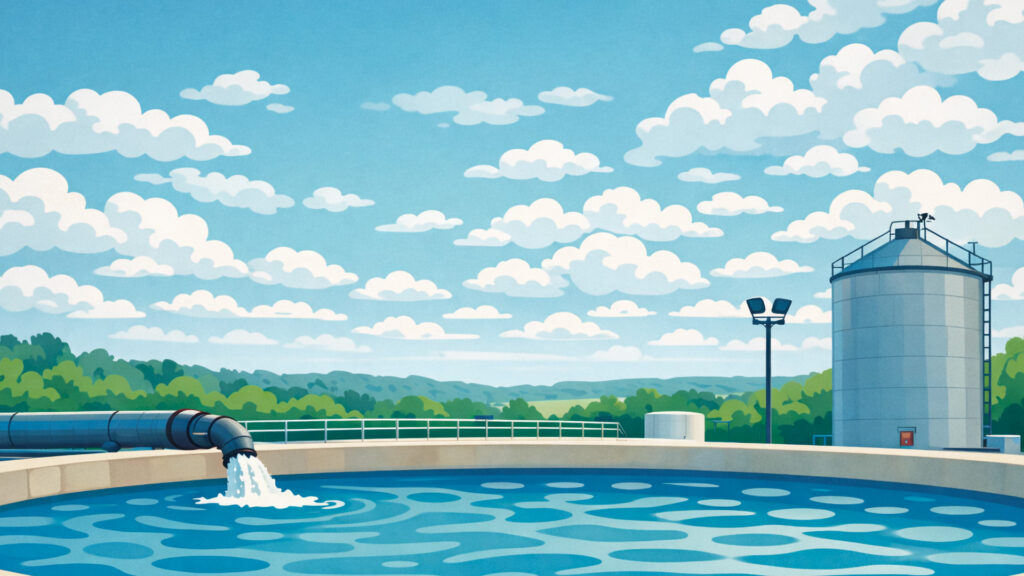

The total annual volume of wastewater treated in treatment plants in Luxembourg is estimated at approximately 118,000,000 m³/year.
According to data from the OECD and CEIC, the total volume of wastewater treated in treatment plants in Luxembourg is estimated at around 118 million m³ per year (trend over the period 2024).

The number of inter-municipal associations responsible for water treatment
In Luxembourg, responsibility for wastewater treatment lies with the municipalities. However, with a few exceptions, they have entrusted this task to inter-municipal associations.
These are municipal cooperation bodies in which several municipalities jointly operate sewer networks, discharge facilities, treatment plants and pumping stations.
Syndicates enable technical expertise and resources to be pooled. They are also often relevant from a geographical point of view, as many wastewater treatment plants are connected to residential areas covering several municipalities.
Notable exceptions are the city of Luxembourg and the municipality of Hesperange: these municipalities manage their own sewer networks and operate their own wastewater treatment plants through their technical services.
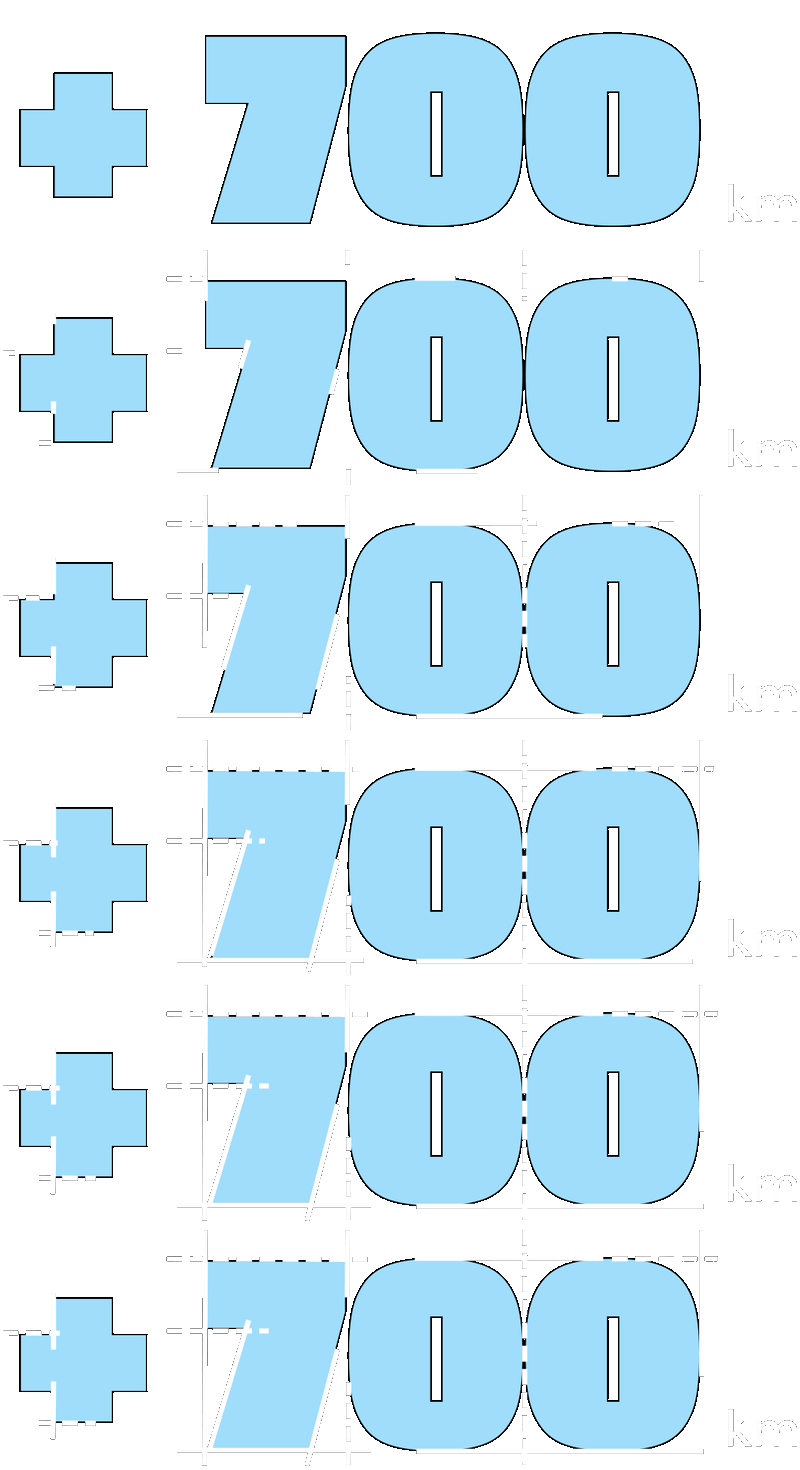
In Luxembourg City, the public sewer network comprises approximately 704 km of pipes.
In the city of Luxembourg, the public sewer network comprises approximately 704 km of pipes, consisting of combined and separate networks (situation in 2024).
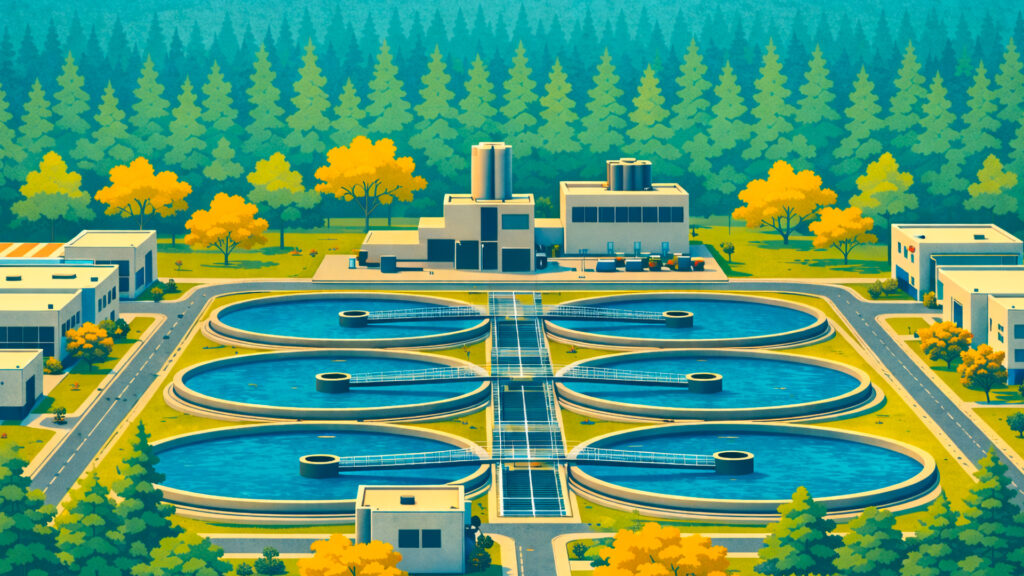

The total number of biological wastewater treatment plants in Luxembourg is 128.
The total number of biological wastewater treatment plants in Luxembourg is 128, with a total installed treatment capacity of 1,241,655 population equivalents.
The smallest biological treatment plants have a capacity of 45 population equivalents. The largest plant, located in Beggen, currently has a capacity of 210,000 population equivalents, but is currently undergoing an expansion that will increase its capacity to 460,000 population equivalents.
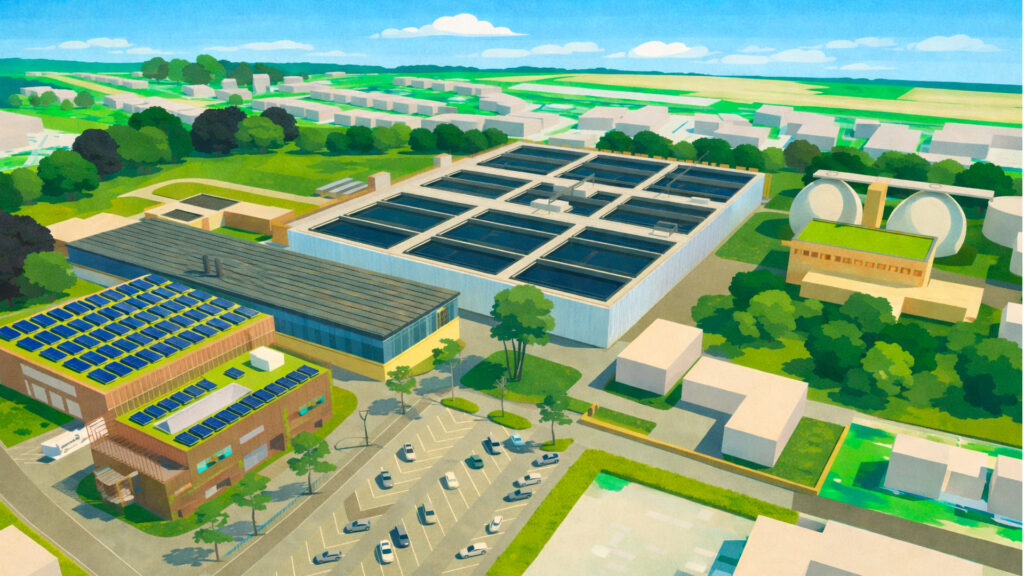

The population equivalent capacity of the largest station
Luxembourg’s largest wastewater treatment plant is located in Beggen. It is currently undergoing expansion, increasing its capacity from 210,000 to 460,000 population equivalents. This expansion is intended to accommodate additional loads and variations related to commuters.
Now you know a bit more… and that’s already a good start.
But understanding also means taking action.
Explore how the sanitation network works, discover good everyday habits, meet the people involved in the field… and take action to preserve water in Luxembourg.