
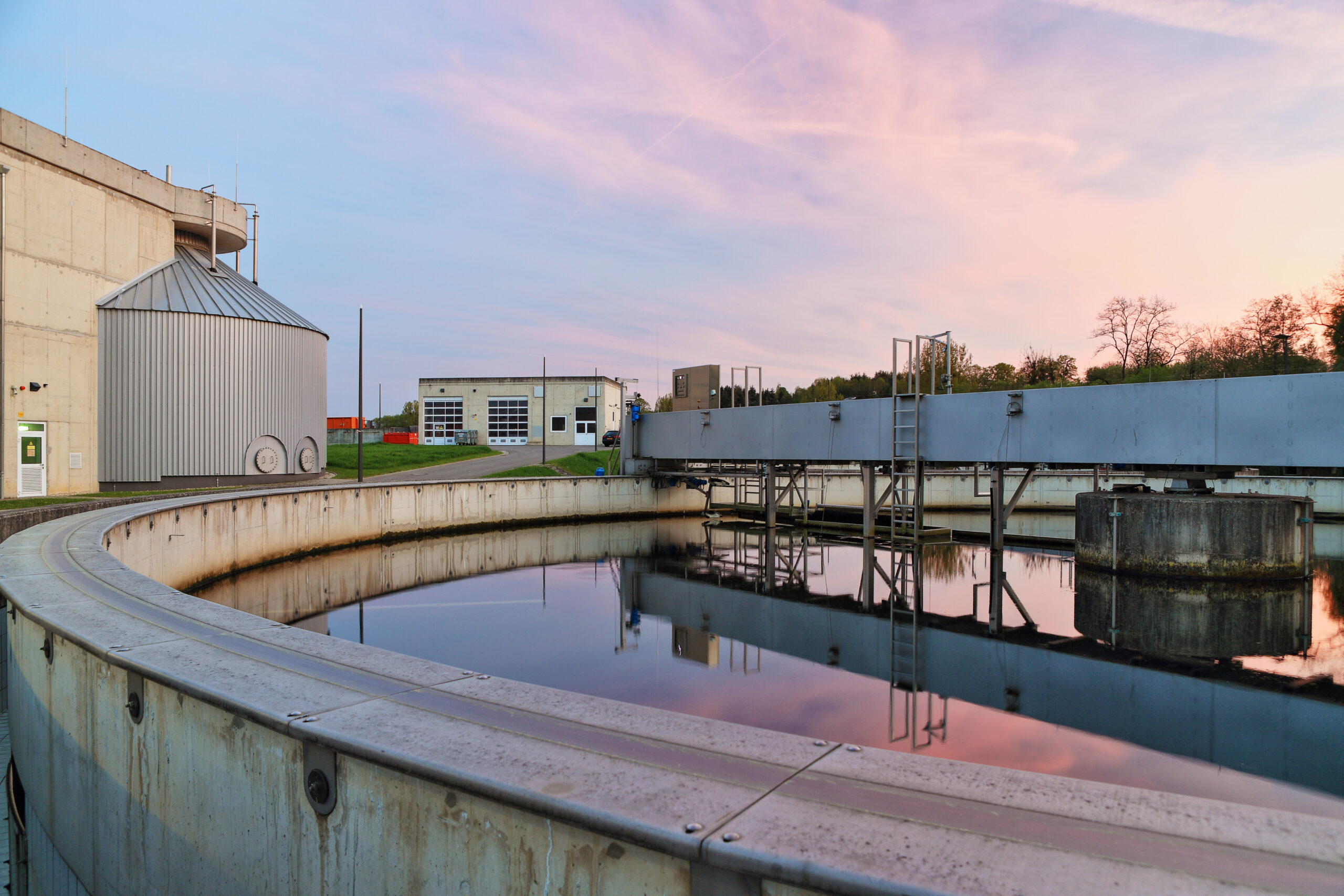
Wastewater treatment plants
Wastewater treatment plants treat wastewater using mechanical, biological and chemical processes before discharging it into a watercourse.
In a wastewater treatment plant, the adducted wastewater is treated. Suspended solids, organic substances, nutrients and other impurities are removed from the water. To achieve this, several treatment stages are implemented: mechanical treatment (separation of fats, sand and solids), biological treatment (degradation of organic substances and nutrients by microorganisms) and chemical treatment (precipitation of phosphates).
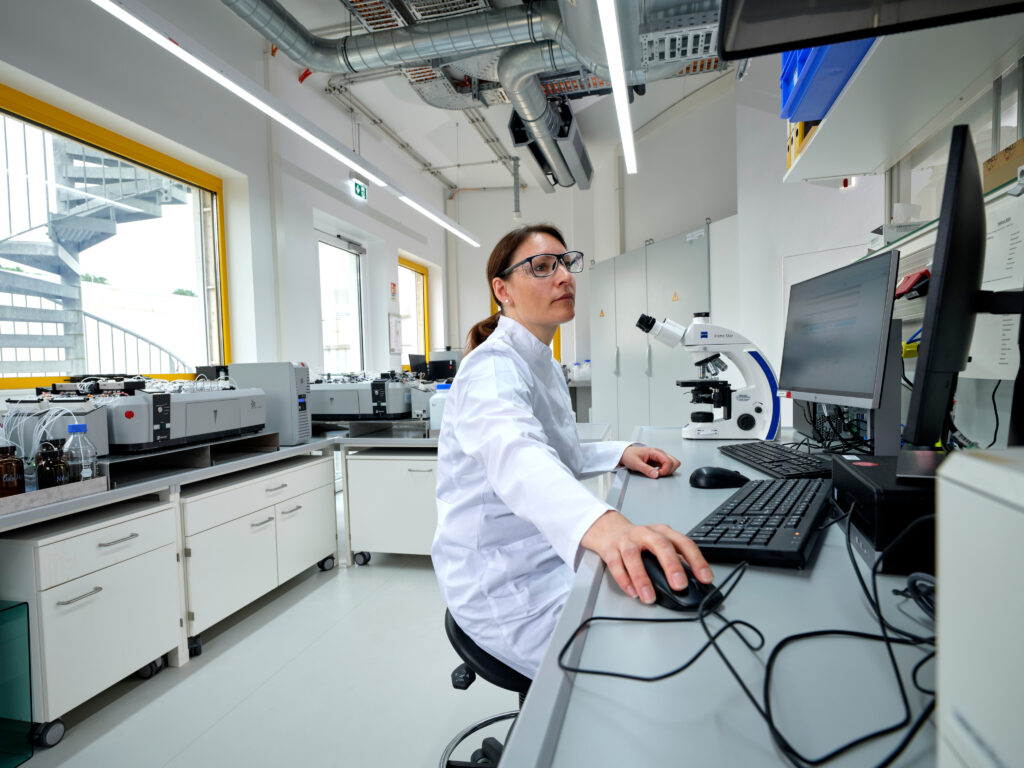
Modern facilities continuously monitor the quality of wastewater and ensure that treated water can be discharged into the watercourse in an environmentally friendly manner. Corresponding analyses are carried out in associated laboratories. The treatment plant also separates sludge from wastewater and directs it to a specific treatment process.
Even though treated wastewater is subject to strict requirements, it is by no means drinking water.
The size of a wastewater treatment plant is based on foreseeable changes in the catchment area over the coming decades. Wastewater treatment plants also play an important role in land use planning. For new residential areas and commercial and industrial zones (where there is no direct discharge system), it is essential that sufficient capacity is available at the wastewater treatment plant.
Below, the various stages of the purification process are briefly explained. Depending on the configuration of the treatment plant, the processes used may vary or be scaled differently. The processes described here are among the methods commonly used in municipal wastewater treatment.
Mechanical treatment
The processes implemented at this stage are based exclusively on mechanical methods. First, the wastewater passes through a screen that retains large debris. Some plants have two levels of screening, consisting of a coarse screen followed by a fine screen.
The retained waste is sent to a screenings washing press, where it is washed and dewatered. The wash water generated is returned to the treatment plant, while the waste is generally incinerated.
After screening, the wastewater enters a sand and grease trap, which is aerated, allowing grease and oil to rise to the surface, where it can be recovered. The separated grease can be sent to the sludge treatment. Sand settles at the bottom of the sand trap. Like screenings, it is washed and then either sent to landfill or used in road construction if its quality allows.
The final stage of mechanical treatment is primary settling. Settleable organic matter is deposited in a tank and removed in the form of primary sludge, which is then sent to the sludge treatment unit.
Biological treatment
During biological treatment, microorganisms break down the components present in wastewater. This is often referred to as an aeration tank or activated sludge. In this tank, dissolved biodegradable organic compounds and compounds containing the nutrient nitrogen are broken down.
Nitrogen is present in wastewater in the form of ammonium (NH₄) and is first converted into nitrate (NO₃) during nitrification. Denitification then converts the nitrate into nitrite (NO₂) and then into elemental nitrogen (N₂), which is released into the atmosphere. These processes are also carried out by microorganisms, which, however, have different requirements in terms of living conditions.
The bacteria responsible for nitrification require oxygen, while those involved in denitrification function in areas devoid of oxygen (anoxic zones). For this reason, biological basins are divided, either by structural arrangements or by alternating oxygen supply, into aerated and non-aerated zones or phases. The aeration of aeration tanks accounts for a significant proportion of the energy consumption of wastewater treatment plants.
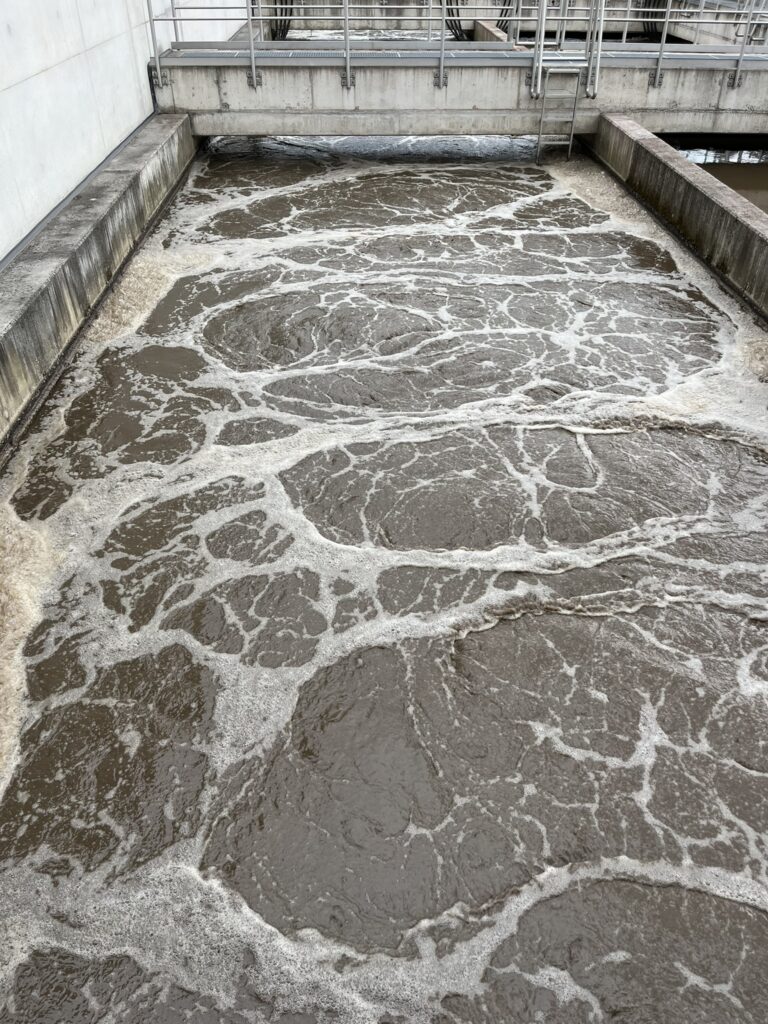
In addition to breaking down the substances contained in wastewater, the biological phase also separates sewage sludge from the aqueous phase. This separation usually takes place in a secondary settling tank, where the sludge settles to the bottom while the treated water is discharged into the receiving environment.
The extracted sludge, known as excess sludge or secondary sludge, is sent to the sludge treatment unit.
Part of the sludge is returned to the aeration tank as recirculated sludge to ensure that there are sufficient microorganisms to treat the wastewater.
In addition to the classic configuration combining an aeration tank and secondary settling tank, there are other biological configurations, such as sequential batch reactors (SBRs), in which the different phases are separated not in space but in time, as well as variants of these systems.
The nutrient phosphorus can also be removed by biological processes. However, these are often insufficient to meet the required limit values, making chemical treatment necessary.
Chemical treatment
During this stage, a precipitation reagent (iron or aluminium salt) is added to the wastewater. This reacts with the dissolved phosphorus and transforms it into a solid form, allowing it to be removed with the sewage sludge. The reagent is often introduced directly into the aeration tank.
Other elements
In addition to the actual treatment processes, a wastewater treatment plant also comprises a large number of pumps, regulators, valves and pipes that ensure the smooth operation of the entire system. This is a complex and demanding process engineering concept.
Discover other infrastructure facilities
Pipes
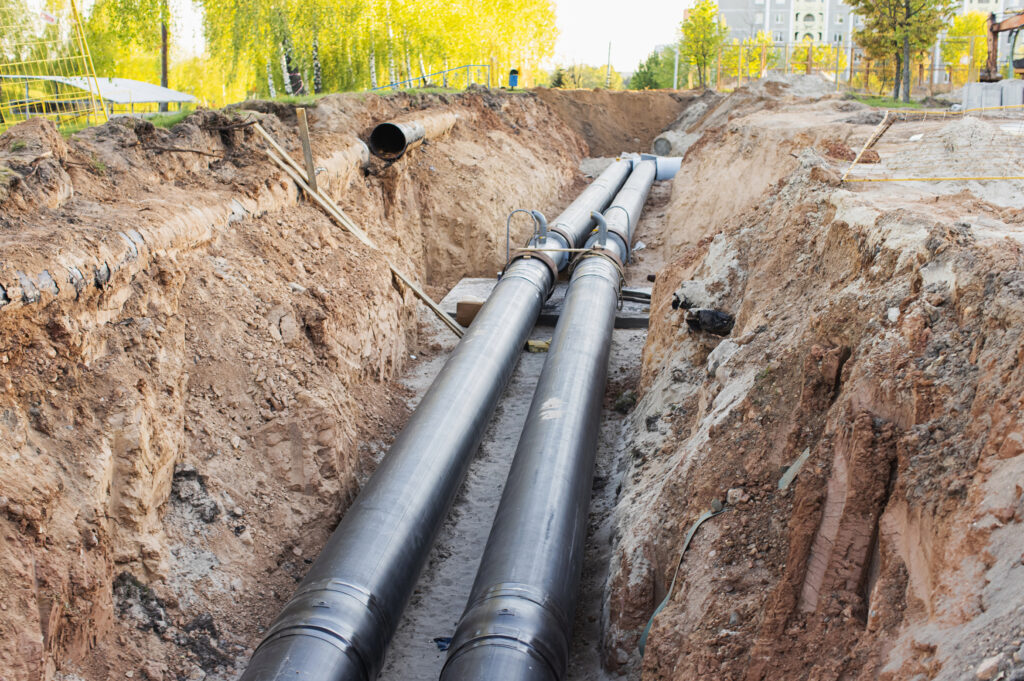
Sewers carry away wastewater. This includes wastewater from households and businesses, as well as rainwater from impermeable surfaces. In a combined system, both are transported to the treatment plant, while…
Combined Sewer Overflows
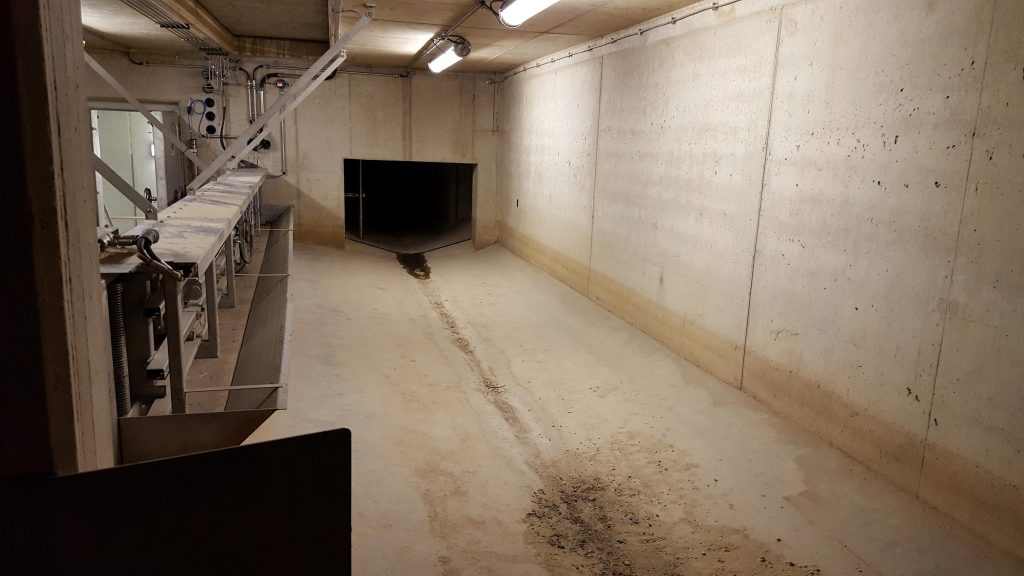
In the event of heavy rainfall, the discharge structures of the combined sewer system discharge excess, highly diluted wastewater in a controlled manner into the watercourse in order to relieve…
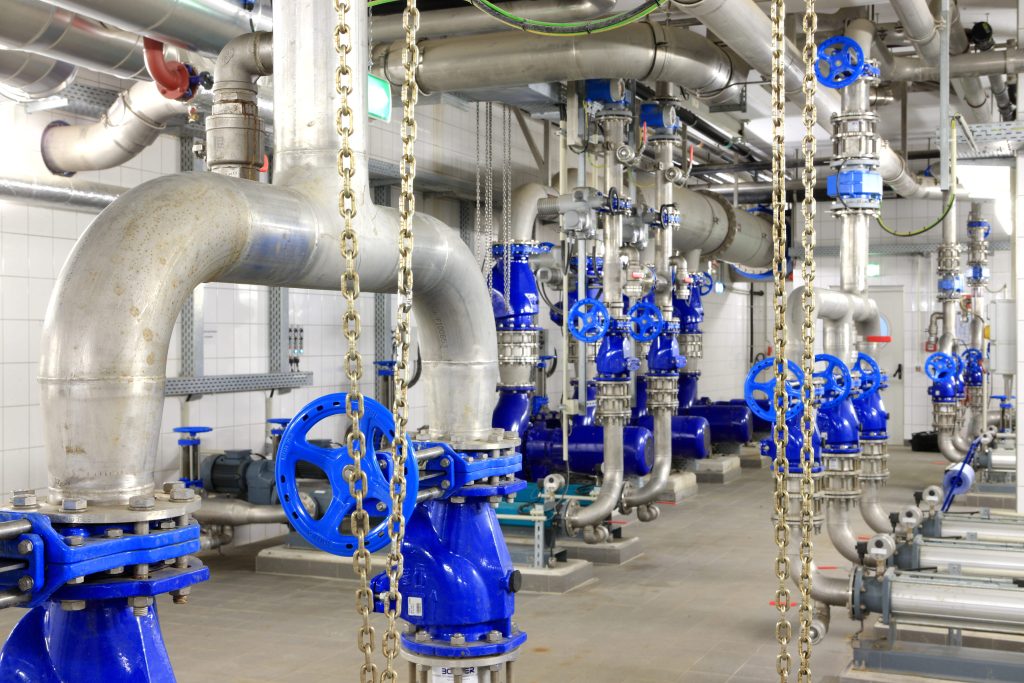
Pumping stations
Pumping stations lift wastewater to higher levels so that it can continue to flow, even in flat or difficult terrain.
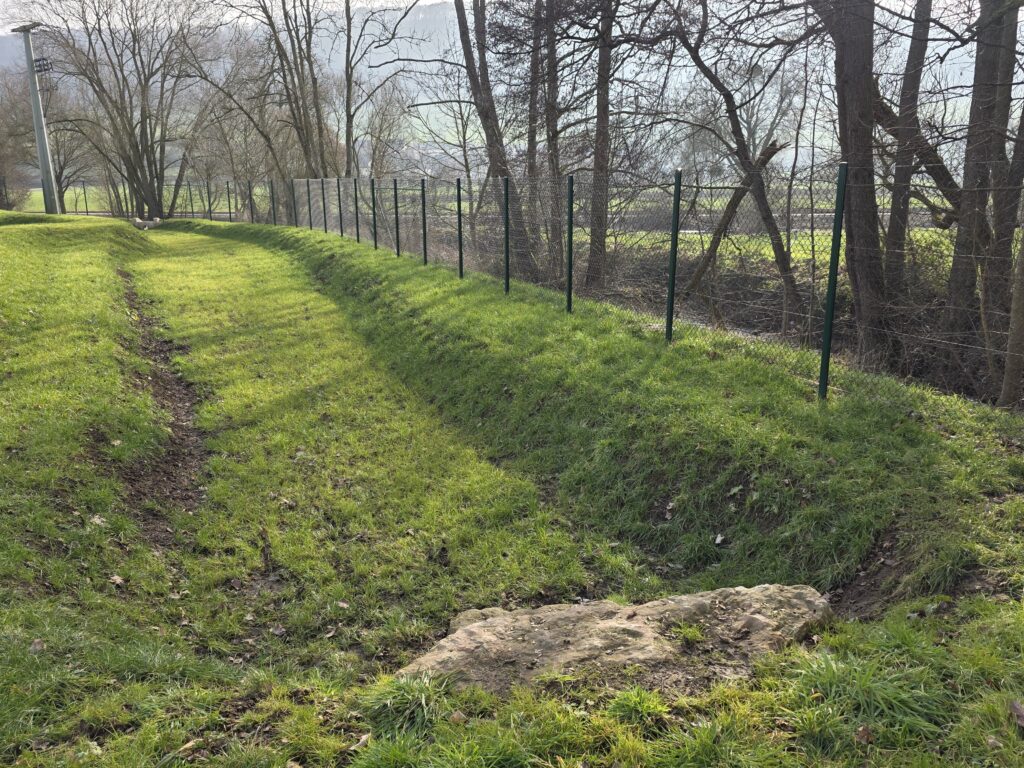
Retention basins
The rainwater retention basins of the separate system temporarily store excess rainwater and regulate the flow to the watercourse or rainwater network.
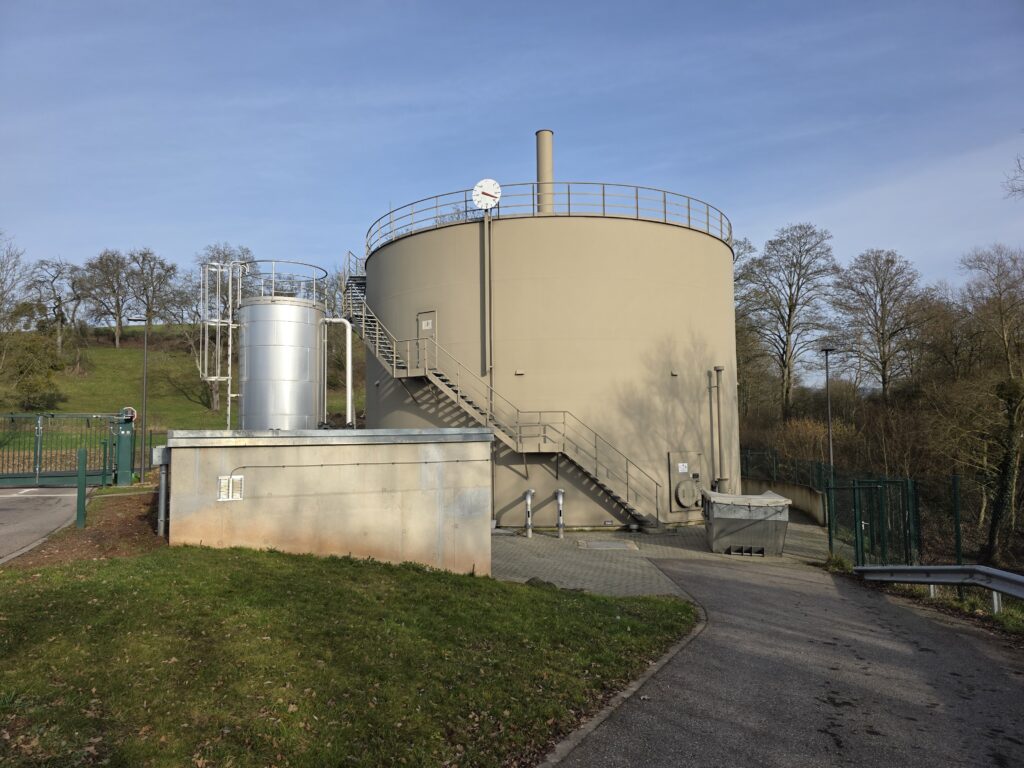
Sludge treatment
During sludge treatment, the sewage sludge produced is stabilised, dewatered and recycled.
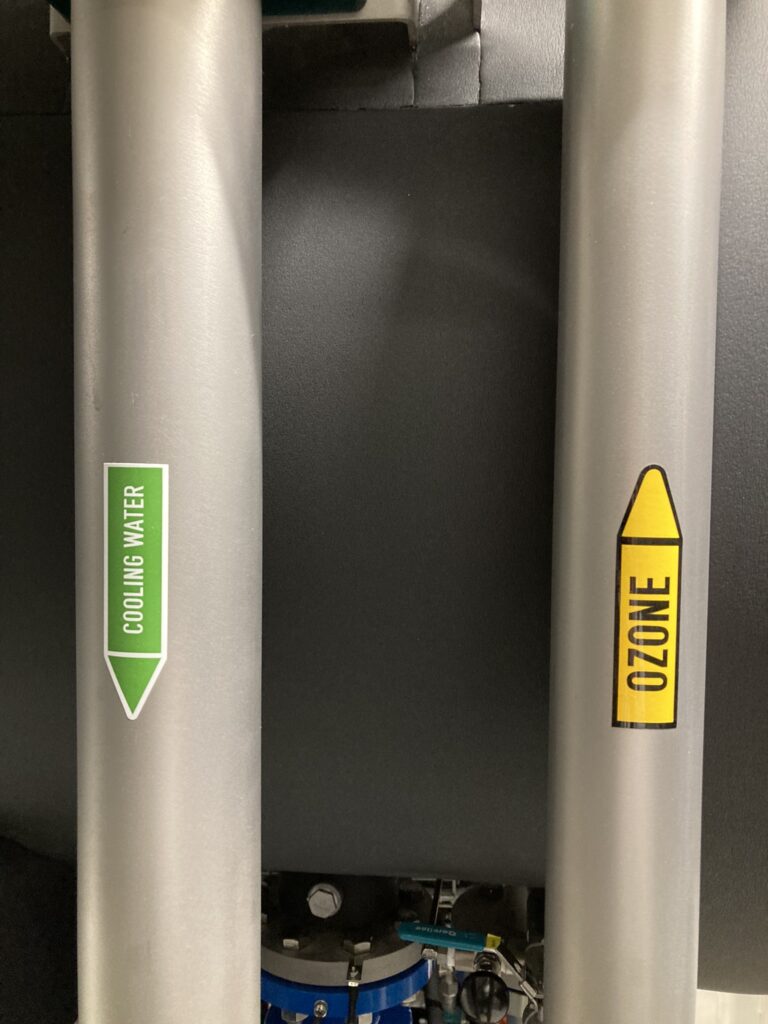
Quaternary treatment
The fourth treatment stage further refines the water and removes micro-pollutants, germs and other harmful substances.
Analytical laboratories
Analytical laboratories monitor the quality of water and sludge at every stage of the treatment plant process.