
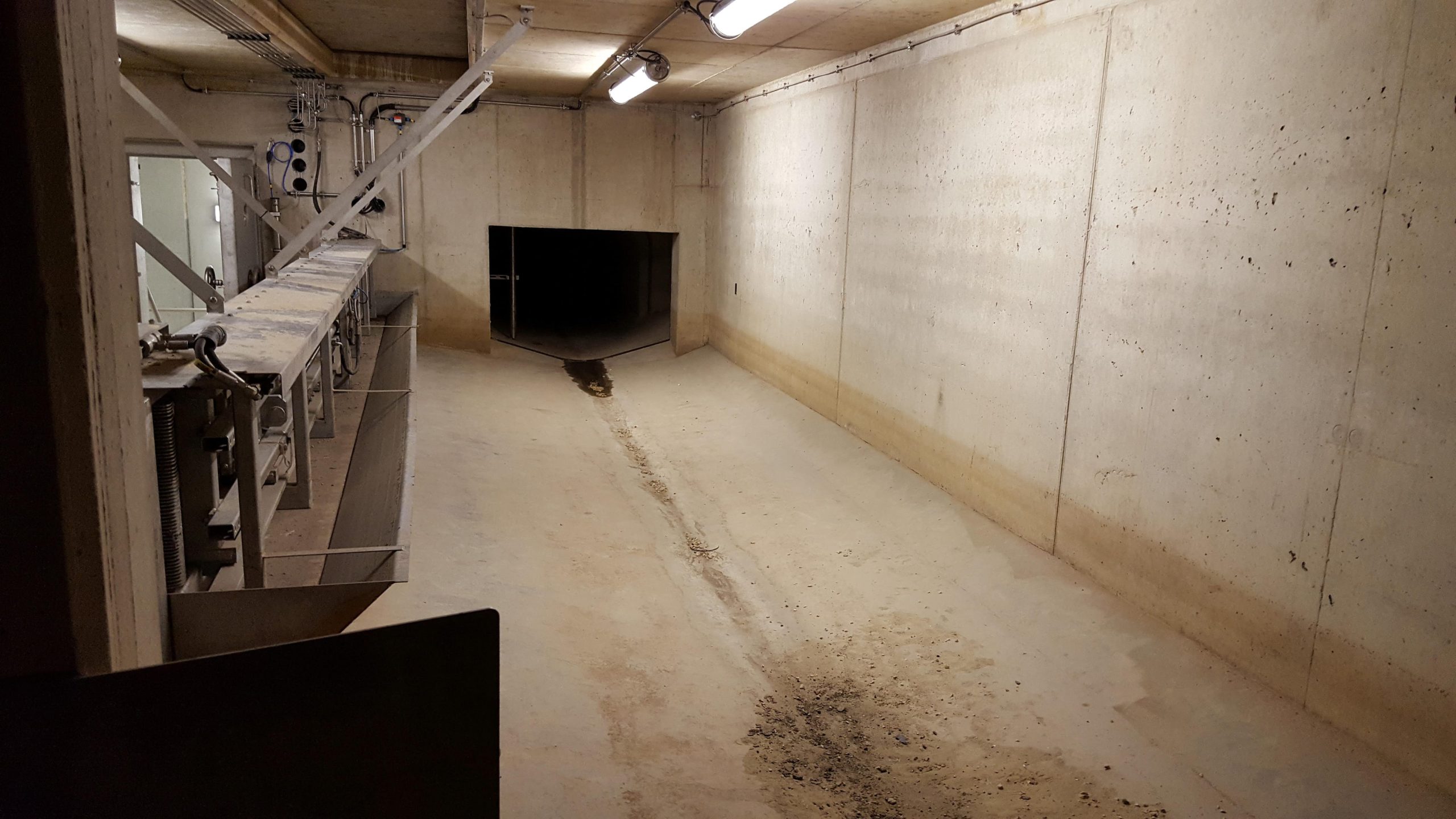
Combined sewer overflows
In the event of heavy rainfall, the discharge structures of the combined sewer system discharge excess, highly diluted wastewater in a controlled manner into the watercourse in order to relieve the sewer network and protect the treatment plant.
Overflow structures in combined sewer systems include storm overflows and storm basins. These structures are located in the sewer system on the route to the treatment plant.
In the event of heavy rainfall, a storm overflow allows excess, highly diluted wastewater to be discharged into a watercourse after passing through a fine screen that retains coarse matter.
Stormwater basins also have a retention volume in which wastewater is temporarily stored and then transported in a regulated manner to the treatment plant. When the total volume of the retention basin is reached, the excess water is also discharged into the receiving environment via a screen. These discharge structures prevent the sewers from becoming overloaded and protect the treatment plant, making them an essential safety feature within sanitation infrastructure.
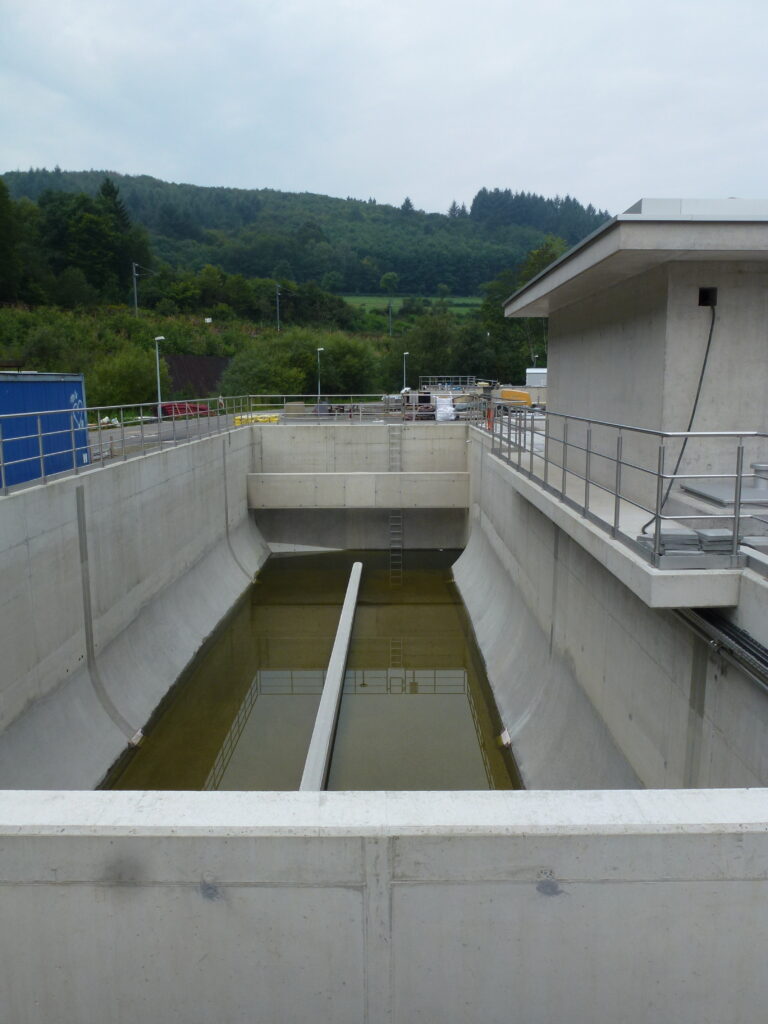
Today, more storm basins are being built than storm overflows, as their storage function reduces the frequency and duration of overflows. Existing storm overflows that remain in service are being modernised with the installation of screens, where these have not already been fitted.
Stormwater basins come in different forms, such as retention basins or flow-through basins, depending on how wastewater enters and exits them. There are also in-line or bypass installations, depending on the position of the basin in the network. The structures can take the form of conventional basins or large-volume storage collectors. Stormwater basins can still be located in urban areas, and there is often also a stormwater basin just upstream of the treatment plant, usually on the site of the plant itself.
Overflows are recorded and analysed in order to assess their operation and environmental impact. The design of the structures is based on hydraulic calculations, taking into account the connected catchment areas, precipitation conditions and the technical regulations and legislation in force. In addition, storm basins are equipped with flushing devices that help to ensure their long-term operational safety.
Discover other infrastructure facilities
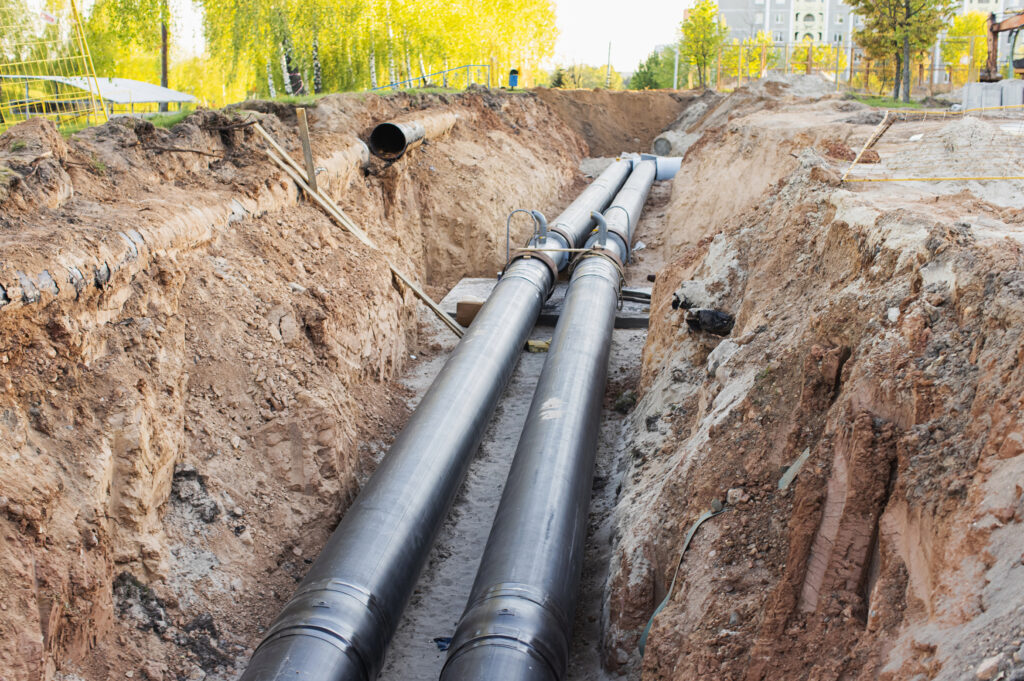
Pipes
Sewers carry away wastewater. This includes wastewater from households and businesses, as well as rainwater from impermeable surfaces. In a combined system, both are transported to the treatment plant, while…
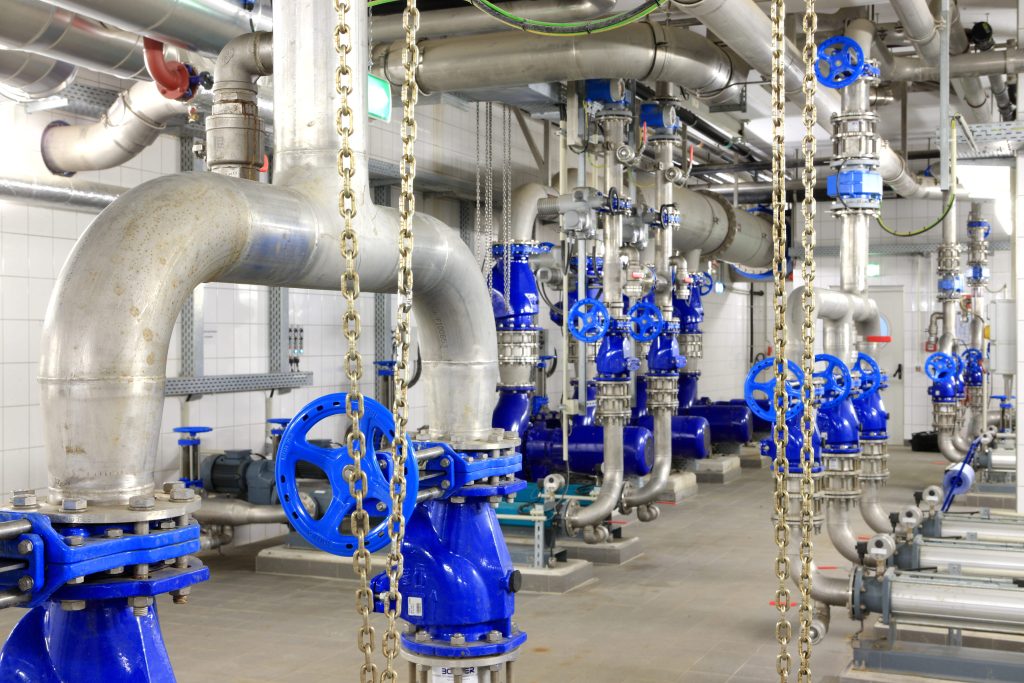
Pumping stations
Pumping stations lift wastewater to higher levels so that it can continue to flow, even in flat or difficult terrain.
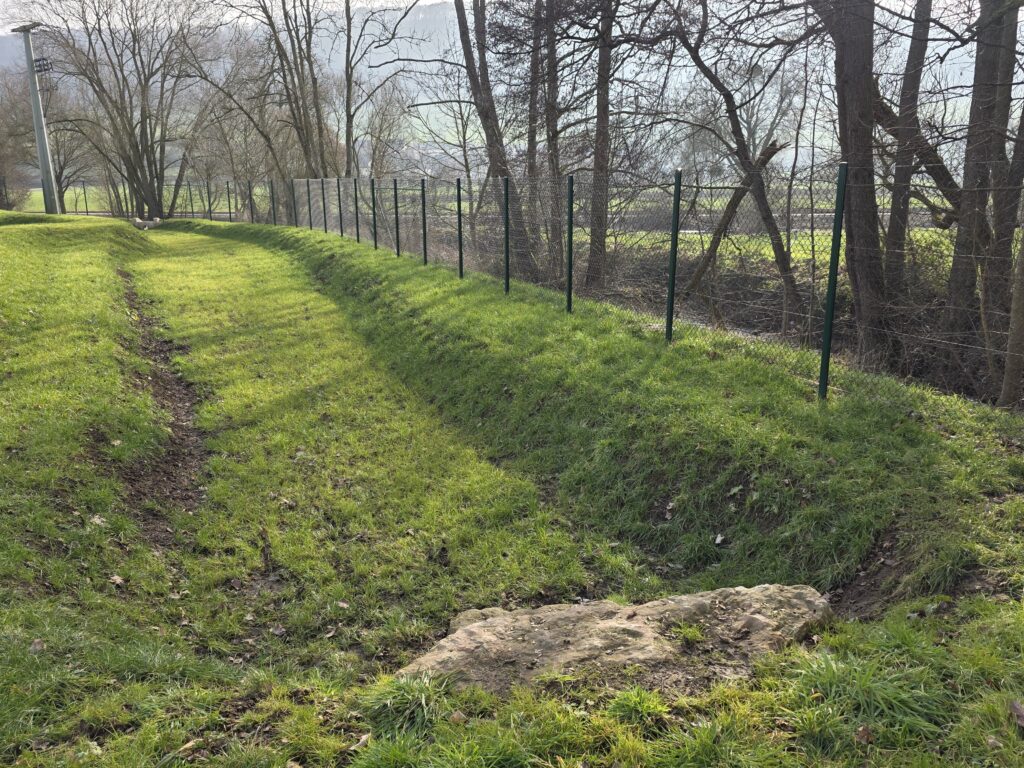
Retention basins
The rainwater retention basins of the separate system temporarily store excess rainwater and regulate the flow to the watercourse or rainwater network.
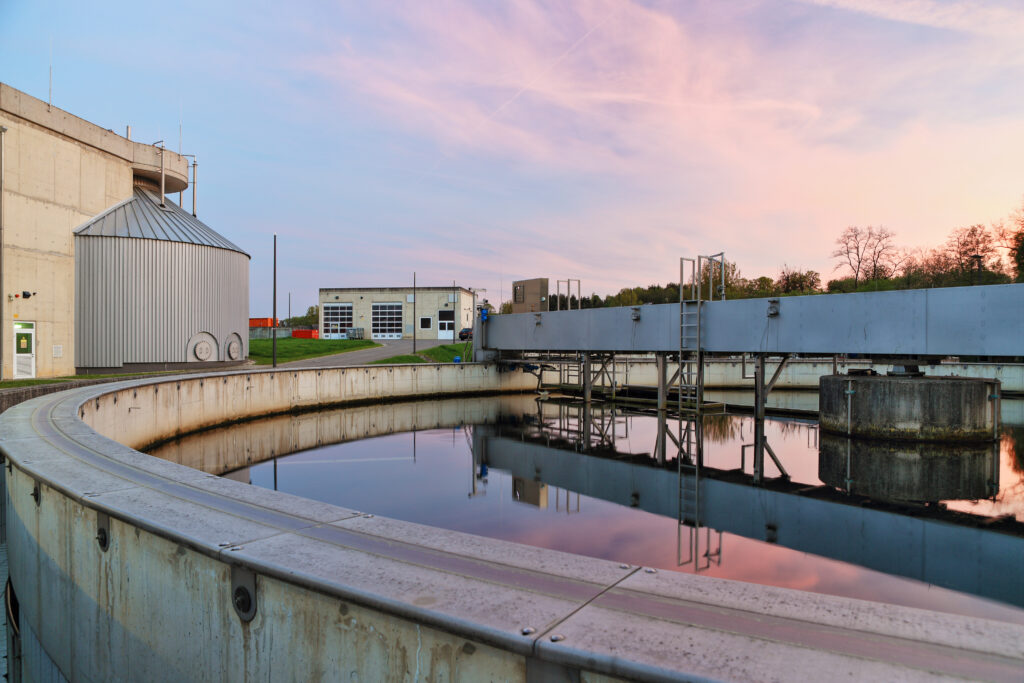
Wastewater treatment plants
Wastewater treatment plants treat wastewater using mechanical, biological and chemical processes before discharging it into a watercourse.
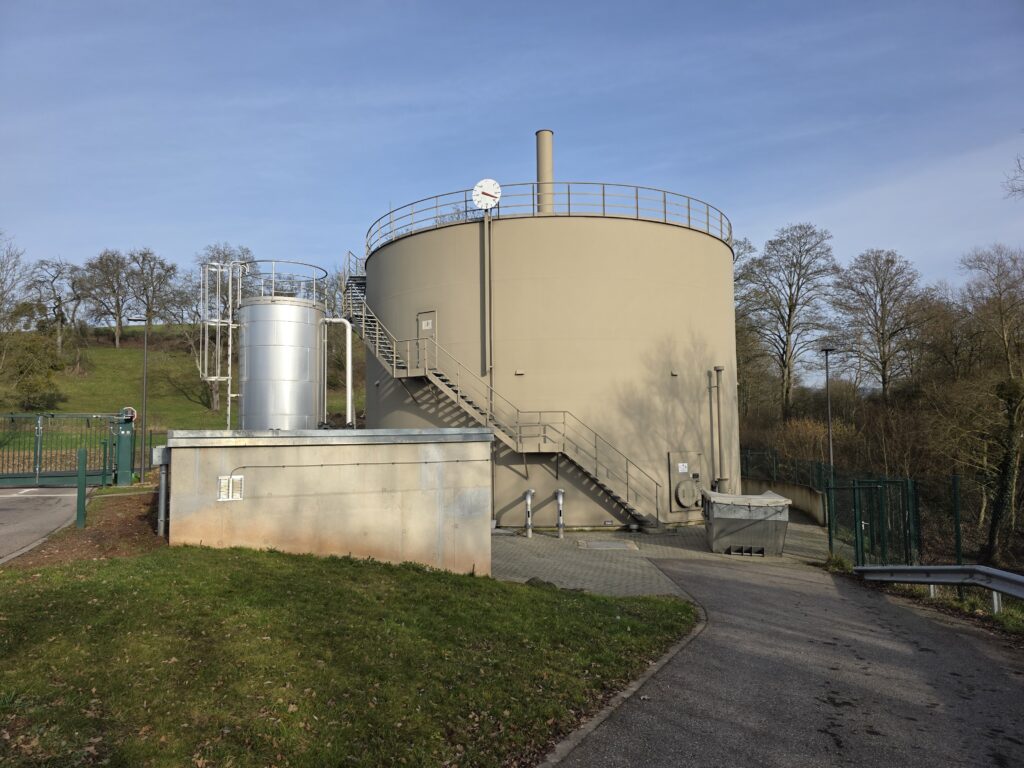
Sludge treatment
During sludge treatment, the sewage sludge produced is stabilised, dewatered and recycled.
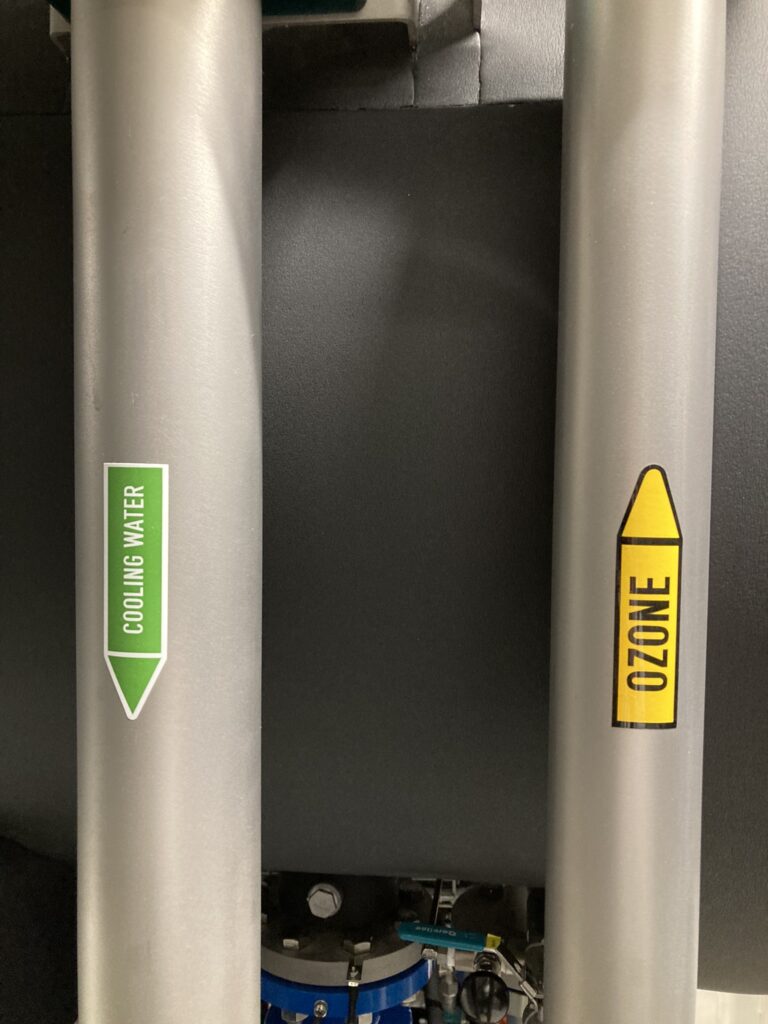
Quaternary treatment
The fourth treatment stage further refines the water and removes micro-pollutants, germs and other harmful substances.

Analytical laboratories
Analytical laboratories monitor the quality of water and sludge at every stage of the treatment plant process.