
Pumping stations
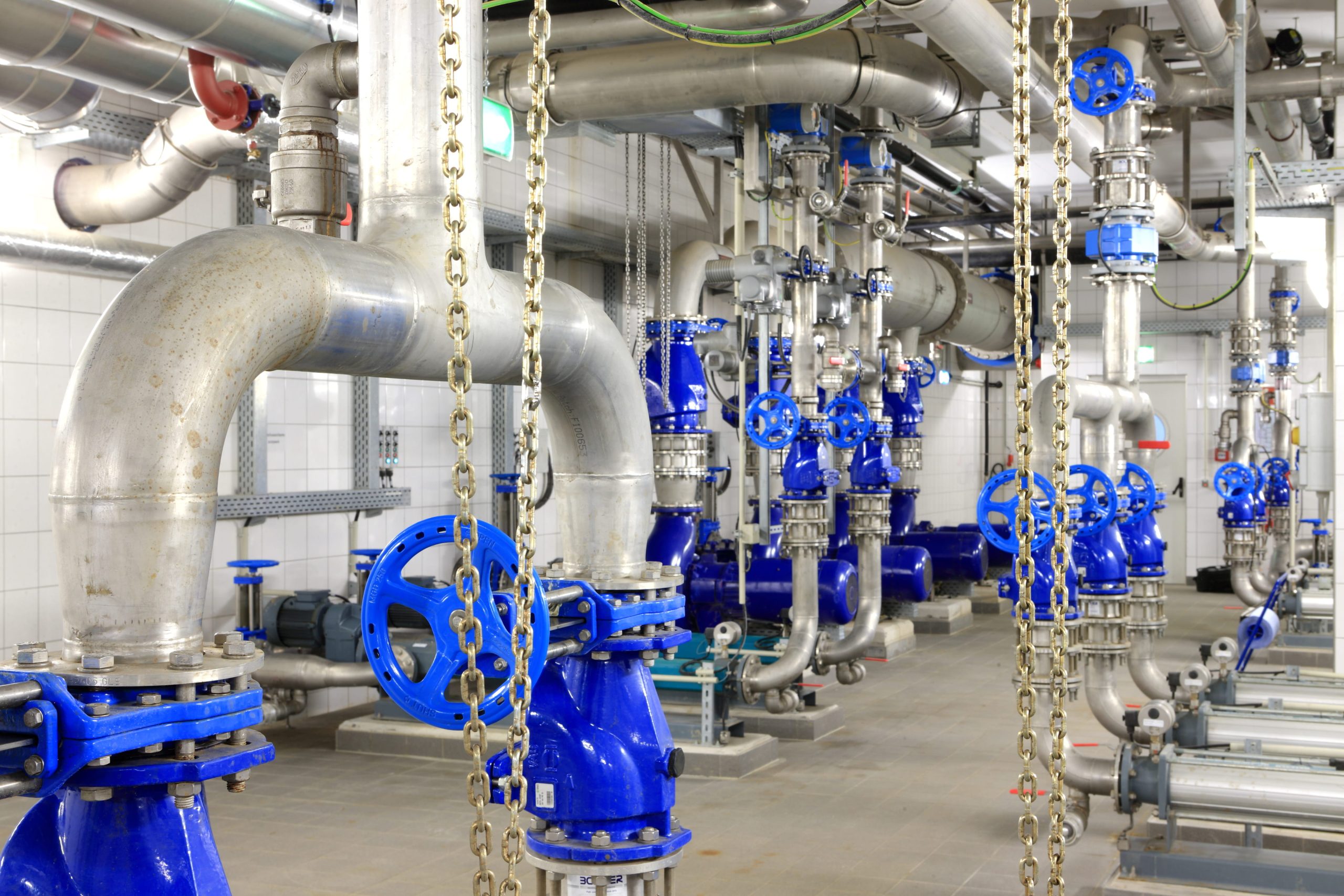
Pumping stations lift wastewater to higher levels so that it can continue to flow, even in flat or difficult terrain.
Pumping stations are essential when the natural slope is not sufficient to convey wastewater to the treatment plant. They enable wastewater to be lifted to higher levels and to overcome topographical obstacles. They thus ensure continuous wastewater flow and reliable operation of the treatment plant.
Modern pumping stations are often automated and simultaneously monitor water levels and flow rates. Alongside sewage treatment plants, pumping stations are among the largest consumers of electricity within municipal sanitation infrastructure and therefore contribute significantly to overall energy consumption.
Improper disposal of waste, such as wet wipes flushed down the toilet, can cause blockages in pumps, leading to costly repairs and operational disruptions.
Discover other infrastructure facilities
Pipes
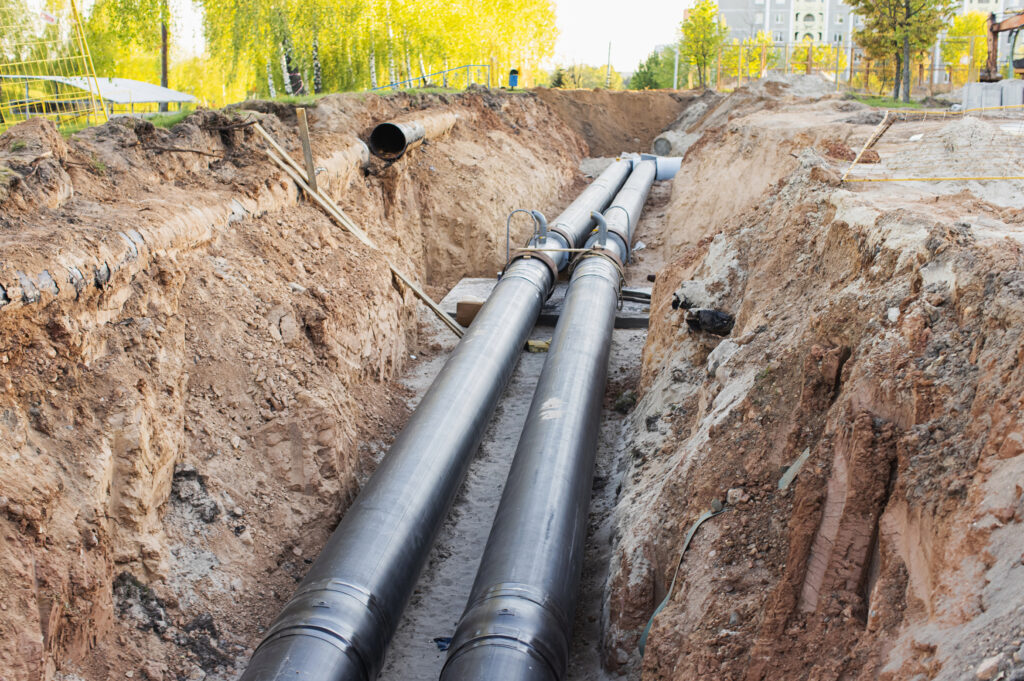
Sewers carry away wastewater. This includes wastewater from households and businesses, as well as rainwater from impermeable surfaces. In a combined system, both are transported to the treatment plant, while…
Combined Sewer Overflows
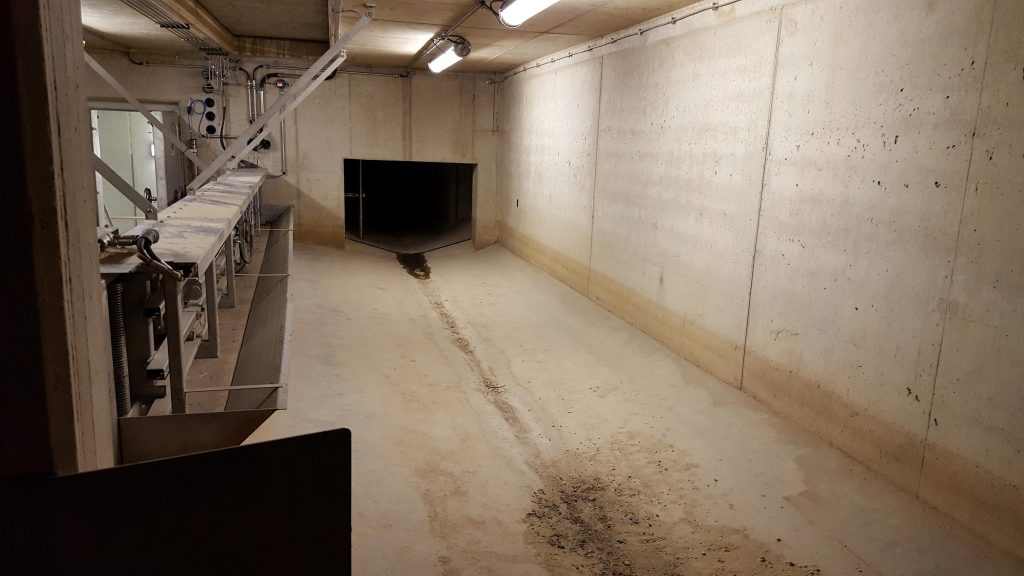
In the event of heavy rainfall, the discharge structures of the combined sewer system discharge excess, highly diluted wastewater in a controlled manner into the watercourse in order to relieve…
Retention basins
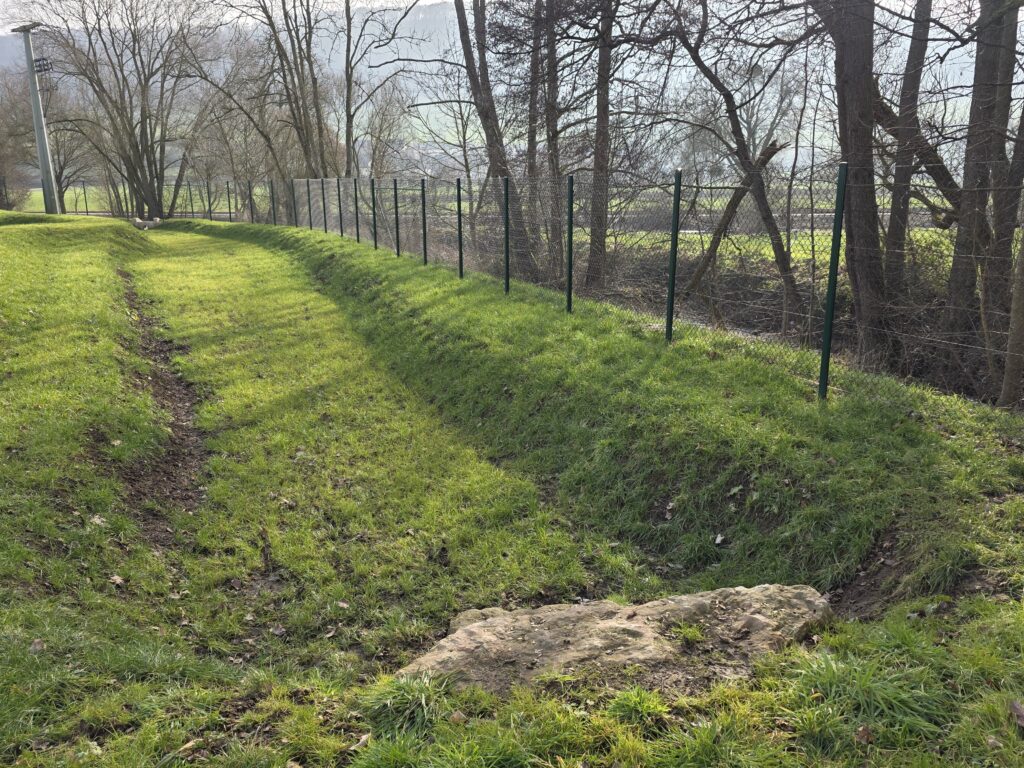
The rainwater retention basins of the separate system temporarily store excess rainwater and regulate the flow to the watercourse or rainwater network.
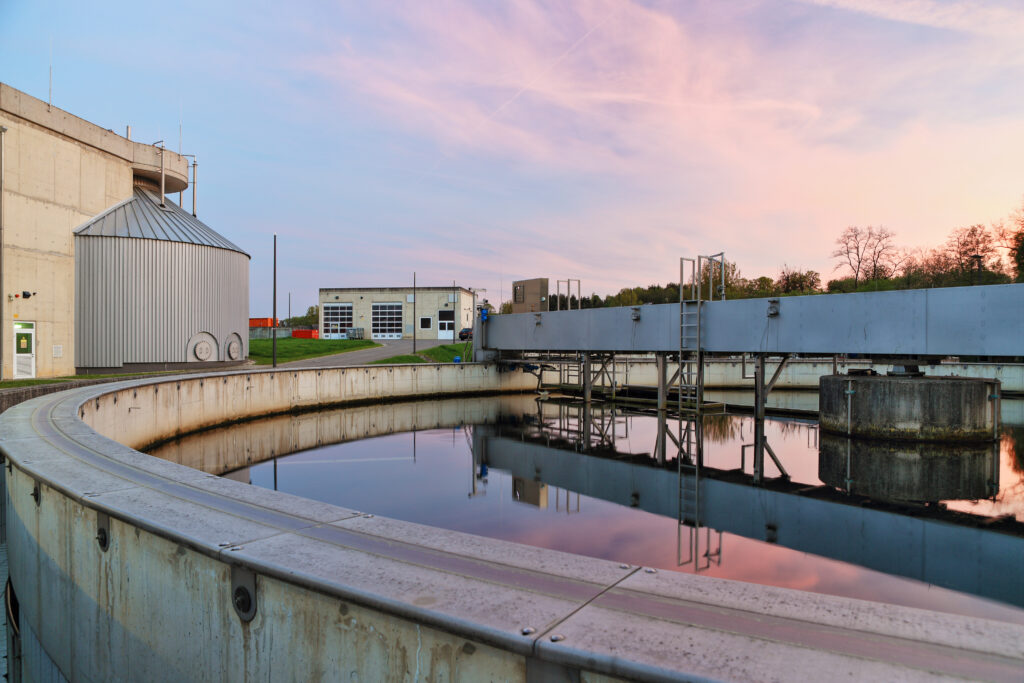
Wastewater treatment plants
Wastewater treatment plants treat wastewater using mechanical, biological and chemical processes before discharging it into a watercourse.
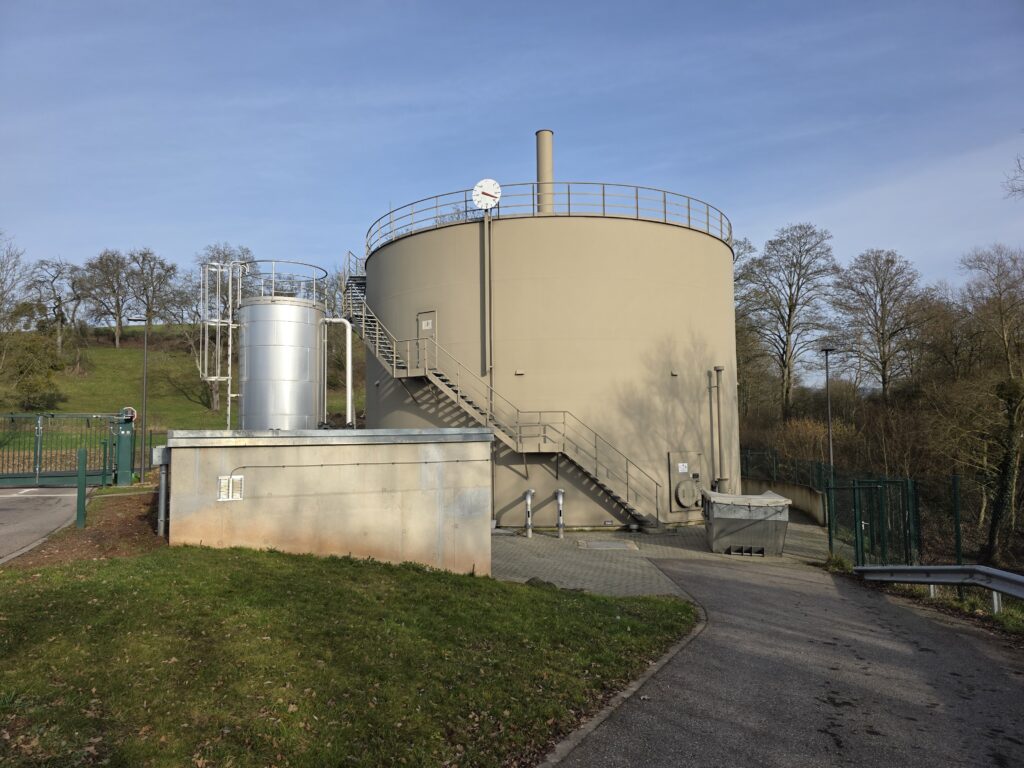
Sludge treatment
During sludge treatment, the sewage sludge produced is stabilised, dewatered and recycled.
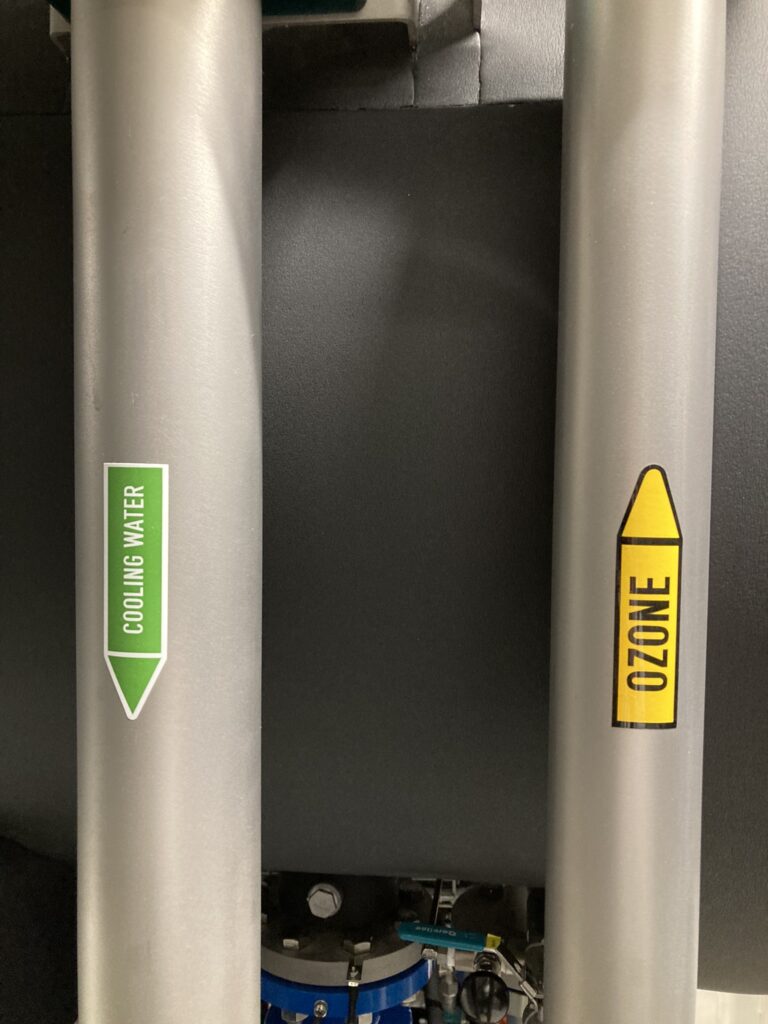
Quaternary treatment
The fourth treatment stage further refines the water and removes micro-pollutants, germs and other harmful substances.

Analytical laboratories
Analytical laboratories monitor the quality of water and sludge at every stage of the treatment plant process.