Test Your Everyday Disposal Habits!
Through 10 real-life situations, this quiz helps you take stock of your habits. The goal?
To identify good practices, understand which ones need improvement, and act more calmly to help preserve our water resources and infrastructure.

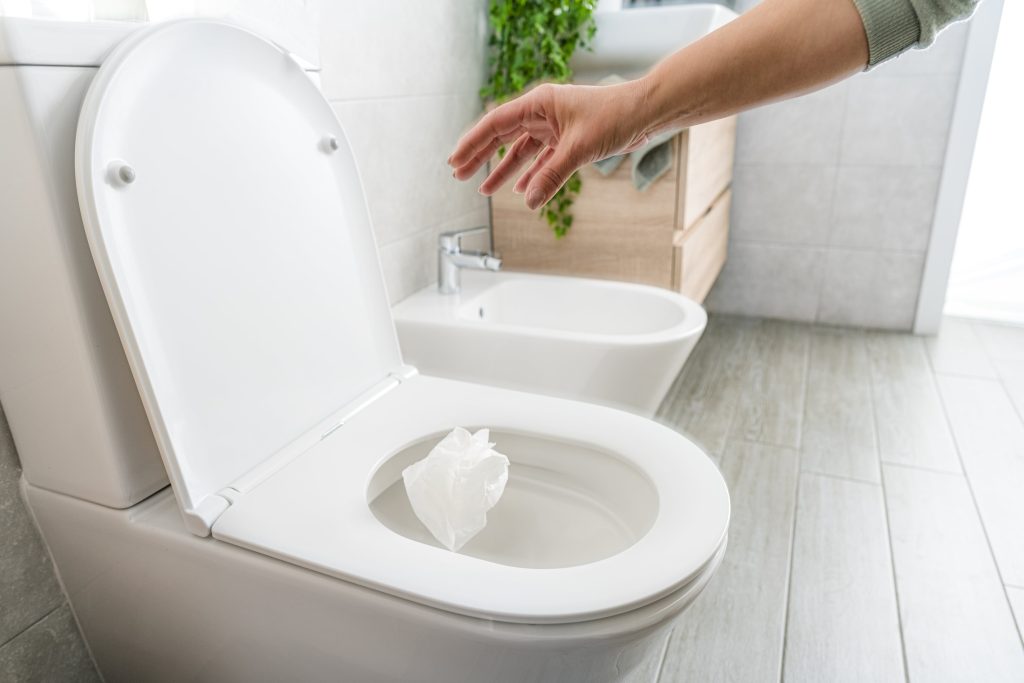
Do you ever flush wet wipes down the toilet?
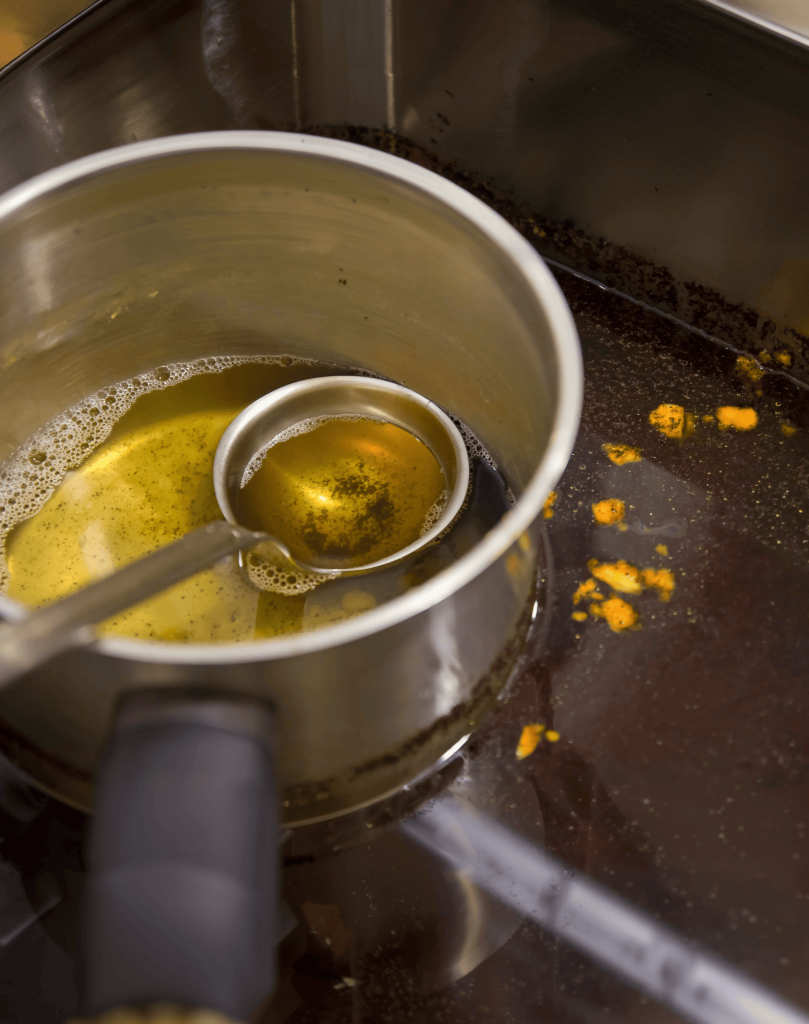
Do you pour cooking oil or grease down the sink?
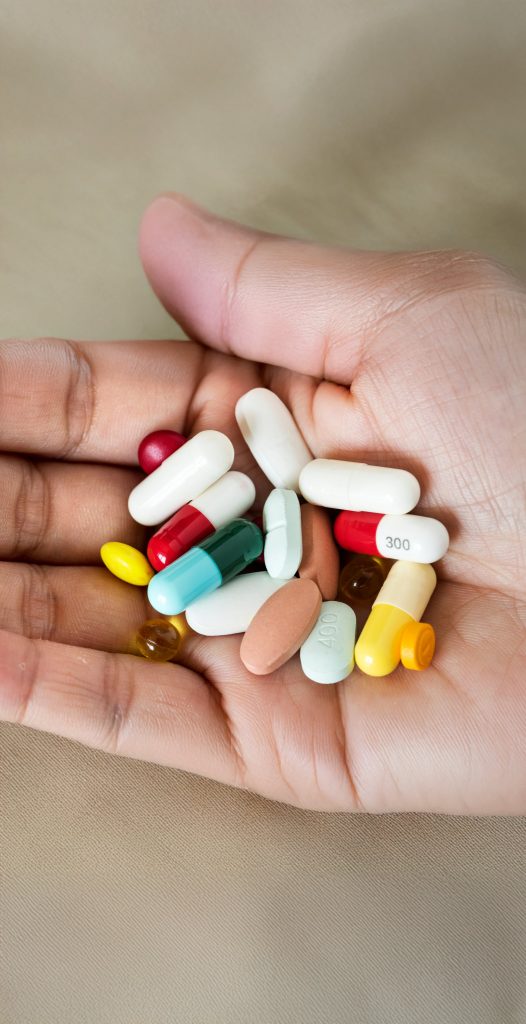
Do you dispose of medicines (tablets, syrups, etc.) in the toilet or sink?
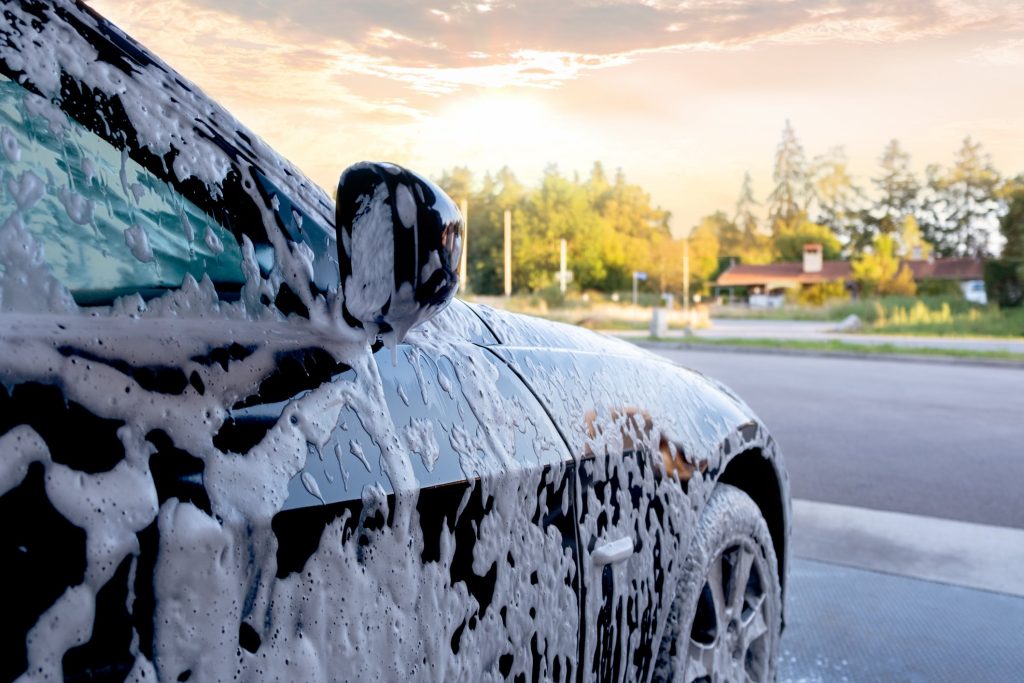
Do you wash your car in your driveway?
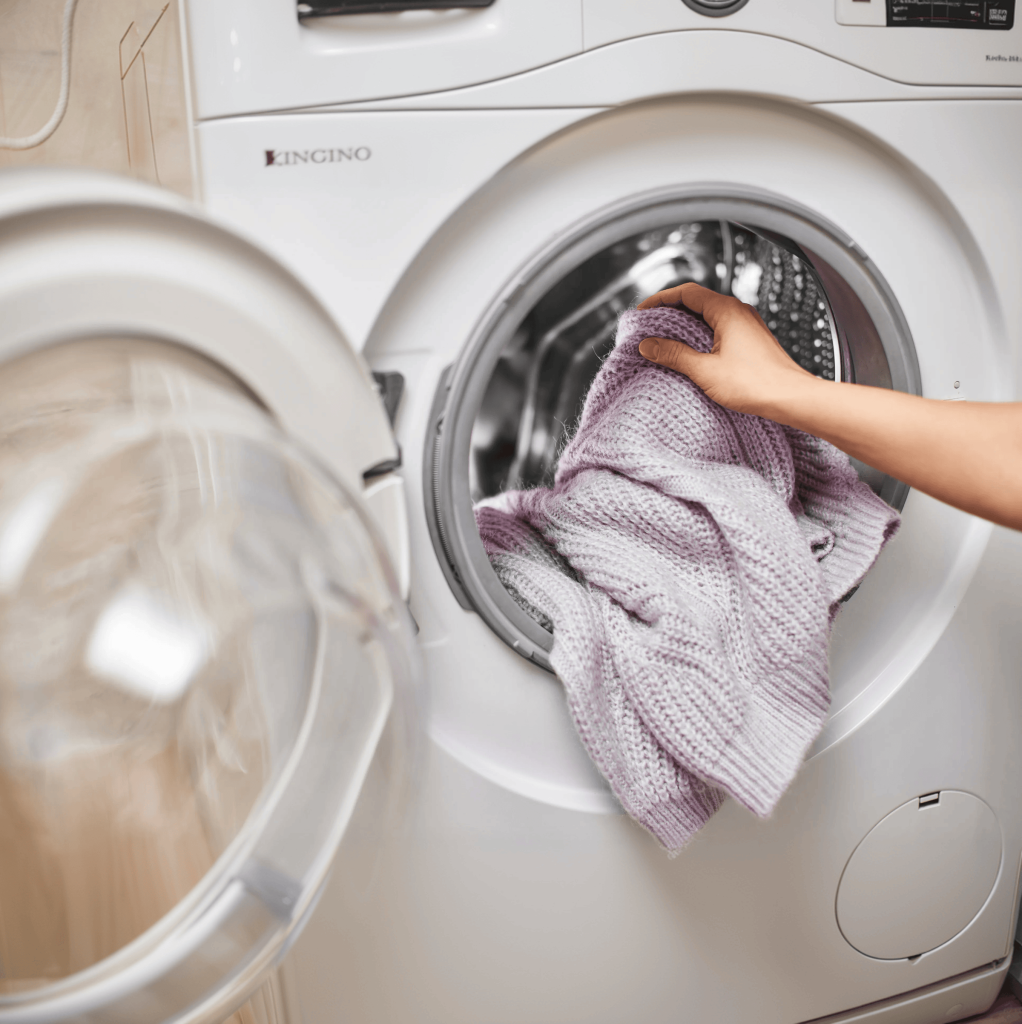
Do you run the washing machine when it isn’t really full?
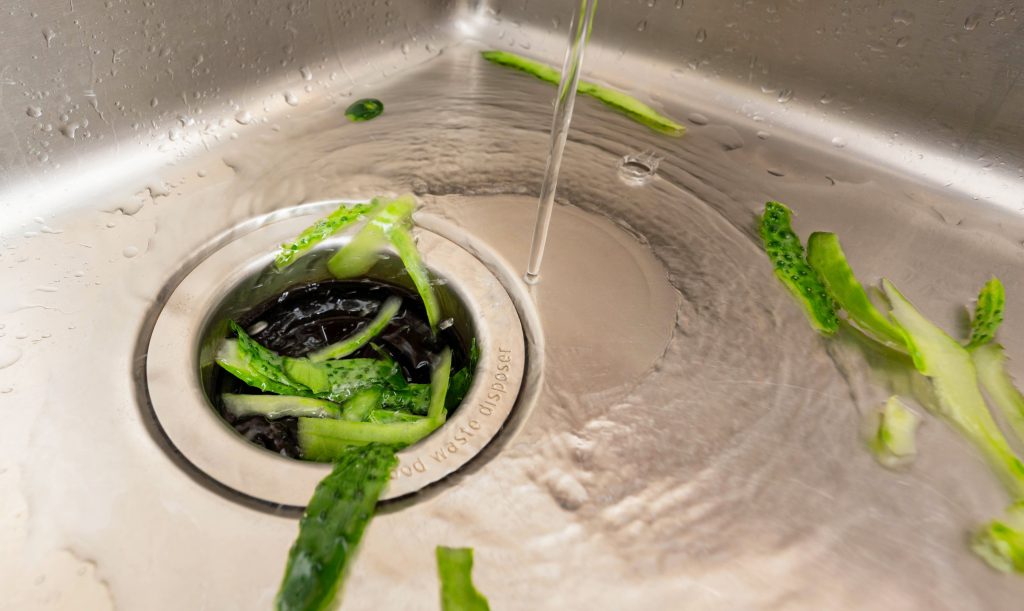
Do you throw food scraps (sauces, leftovers, coffee grounds) down the sink?
Do you leave the water running when it isn’t necessary (while soaping up in the shower, brushing your teeth, etc.)?
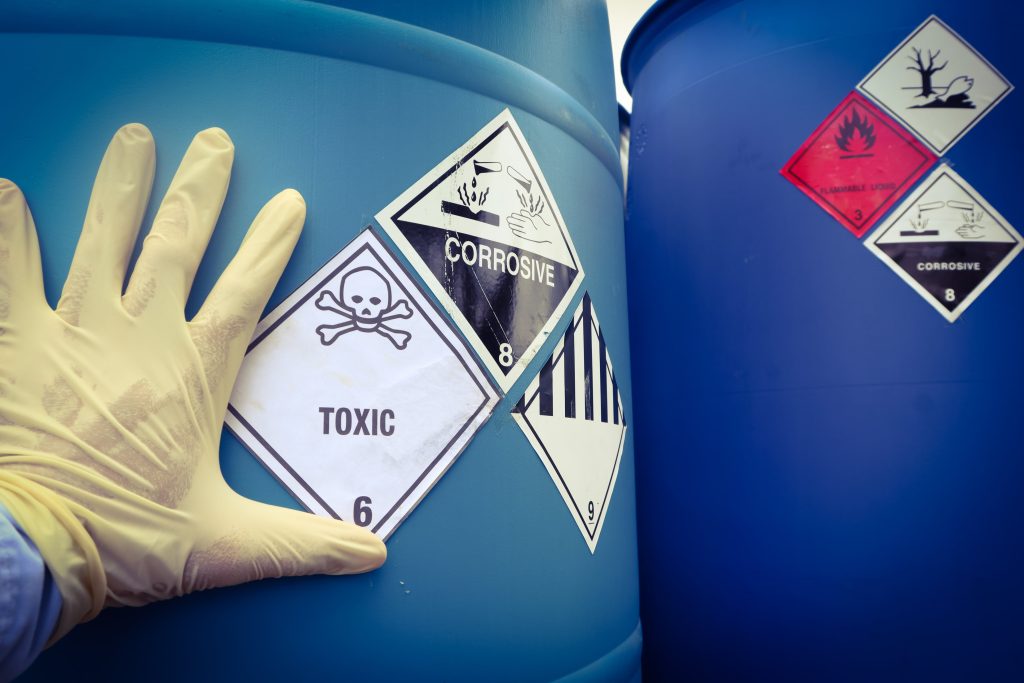
Do you pay attention to pollutants such as PFAS in products?
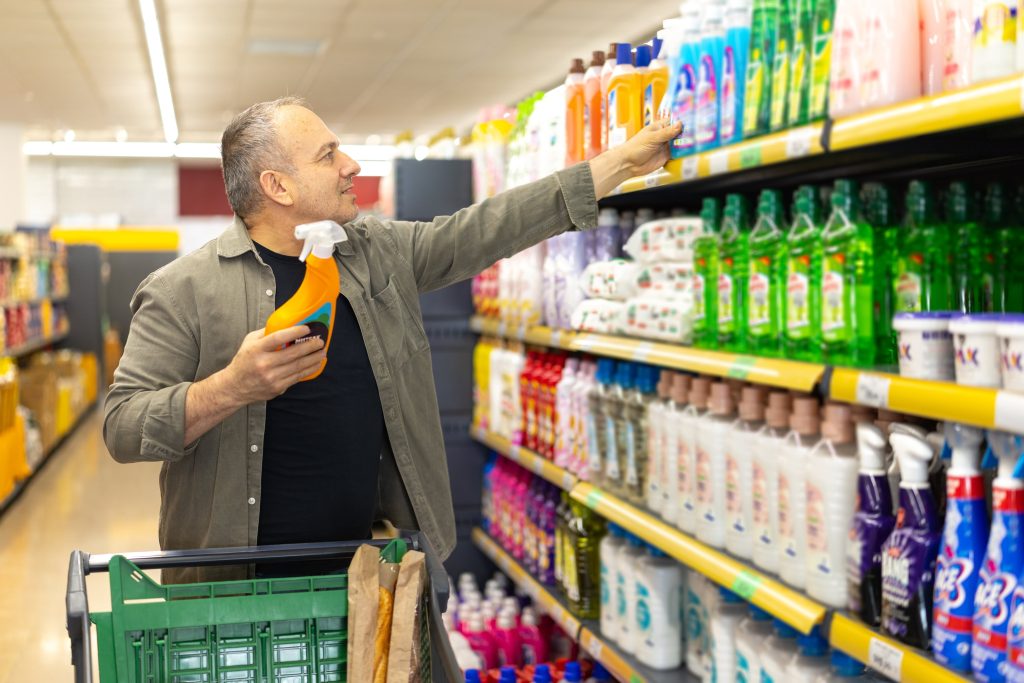
Do you choose eco‑labelled cosmetics or household products?
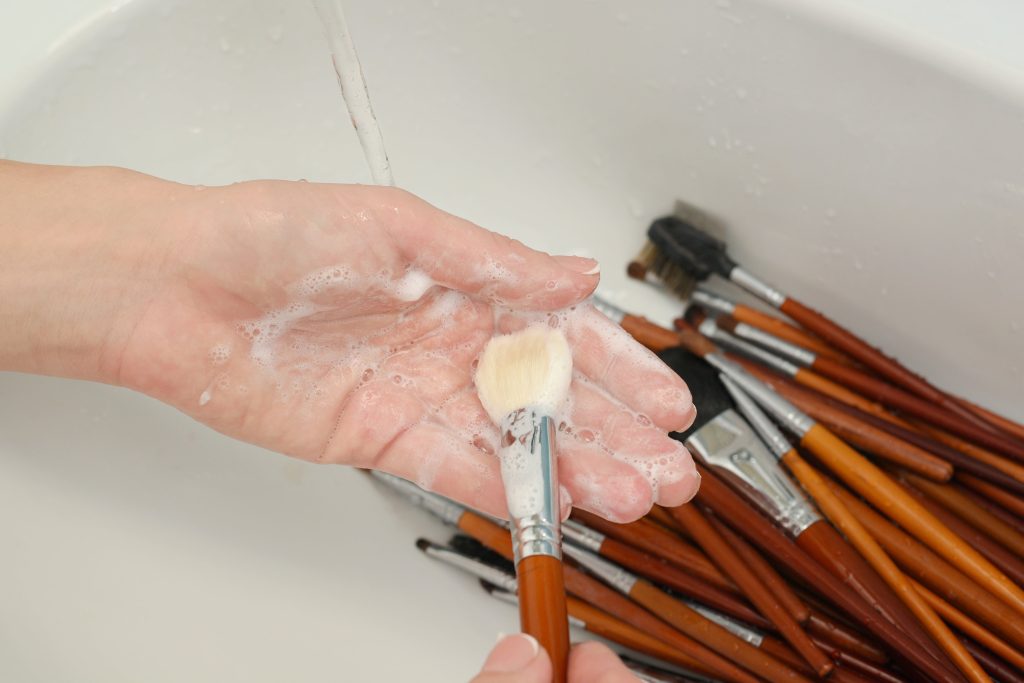
Do you ever clean your paint or varnish brushes directly under the tap?
Swipe left for “Yes, it happens to me”, or right for “No, I never do that.”
Your habits have an impact.
We explain why.
Each answer reveals something about your daily habits. Before discovering your result, take a moment to consider that these small actions, whether good or bad, directly influence water quality, the functioning of treatment plants, and the health of our rivers.
Your score:
0/10
Read through your answers below to better understand the issues surrounding wastewater treatment.
Summary of your answers
Yes, it happens to me.
No, I never do that.
Do you ever flush wet wipes down the toilet?
Wet wipes do not dissolve in water. They build up in pipes, block pumps, and disrupt the operation of sewage treatment works.
Our tip
Wipes — even those labelled biodegradable — should always be disposed of in the bin (general waste).


Good answer!
Wrong answer!
Yes, it happens to me.
No, I never do that.
Do you pour cooking oil or grease down the sink?
As they cool, fats harden, stick to the inside of pipes and can cause serious blockages, especially in domestic plumbing.
Our tip
Allow the frying pan or saucepan to cool, then wipe it out with kitchen paper before washing it.
Good answer!
Wrong answer!
Yes, it happens to me.
No, I never do that.
Do you dispose of medicines (tablets, syrups, etc.) in the toilet or sink?
Drug residues are micro-pollutants that are often poorly treated or not treated at all in sewage treatment plants. They can harm aquatic plants and animals.
Our tip
Take unused or expired medicines to your chemist or an official collection point, free of charge.
Good answer!
Wrong answer!
Yes, it happens to me.
No, I never do that.
Do you wash your car in your driveway?
On public roads and driveways, pollutants such as oils, metals, and tyre residues can be washed into the stormwater drainage system. This water often flows directly into rivers and streams without any treatment.
0ur tip
Wash your car at a car wash. There, the water is treated and recycled, and excess wastewater is properly connected to the appropriate sewer system.
Good answer!
Wrong answer!
Yes, it happens to me.
No, I never do that.
Do you run the washing machine when it isn’t really full?
Each wash cycle uses water and releases detergent residues and microfibres. Running more cycles increases the amount of pollution to be treated and raises costs.
Our tip
Only start the washing machine when it is full (within its recommended capacity).
Good answer!
Wrong answer!
Yes, it happens to me.
No, I never do that.
Do you throw food scraps (sauces, leftovers, coffee grounds) down the sink?
Sauces, leftovers and coffee grounds increase wastewater pollution and can cause blockages in pipes.
Our tip
Dispose of food waste in the organic waste bin or compost bin instead.
Good answer!
Wrong answer!
Yes, it happens to me.
No, I never do that.
Do you leave the water running when it isn’t necessary (while soaping up in the shower, brushing your teeth, etc.)?
Reducing water consumption also limits the volume of wastewater that needs to be treated. This eases pressure on infrastructure and helps reduce costs.
Excessive amounts of clean water can disrupt biological treatment processes in wastewater treatment plants.
Our tip
Turn off the tap between uses and adopt simple water‑saving habits.
Good answer!
Wrong answer!
Yes, it happens to me.
No, I never do that.
Do you pay attention to pollutants such as PFAS in products?
PFAS (“forever chemicals”) are hardly removed by sewage treatment plants and can accumulate in the environment.
Our tip
Whenever information is available, choose PFAS‑free alternatives (clothing, utensils, cosmetics, etc.).
Good answer!
Wrong answer!
Yes, it happens to me.
No, I never do that.
Do you choose eco‑labelled cosmetics or household products?
ertain ingredients found in conventional products can be harmful to the aquatic environment and are not easily removed during wastewater treatment.
Our tip
Whenever possible, choose products with an eco‑label — they contain fewer pollutants and are more environmentally friendly.
Good answer!
Wrong answer!
Yes, it happens to me.
No, I never do that.
Do you ever clean your paint or varnish brushes directly under the tap?
Paint and varnish residues contain substances that are toxic to microorganisms in sewage treatment plants and are difficult to remove.
Our tip
Clean brushes away from the sink, and take dirty water, paint residues and solvents to a waste disposal centre or collection point.
Good answer!
Wrong answer!
Curious about what happens beyond your sink?
The water you use does not simply disappear. It begins a long journey through a vast network of infrastructure—mostly unseen, yet working every day to treat the water and return it safely to nature.
Discover how this hidden system works beneath your feet—and how your everyday actions can truly make a difference.