
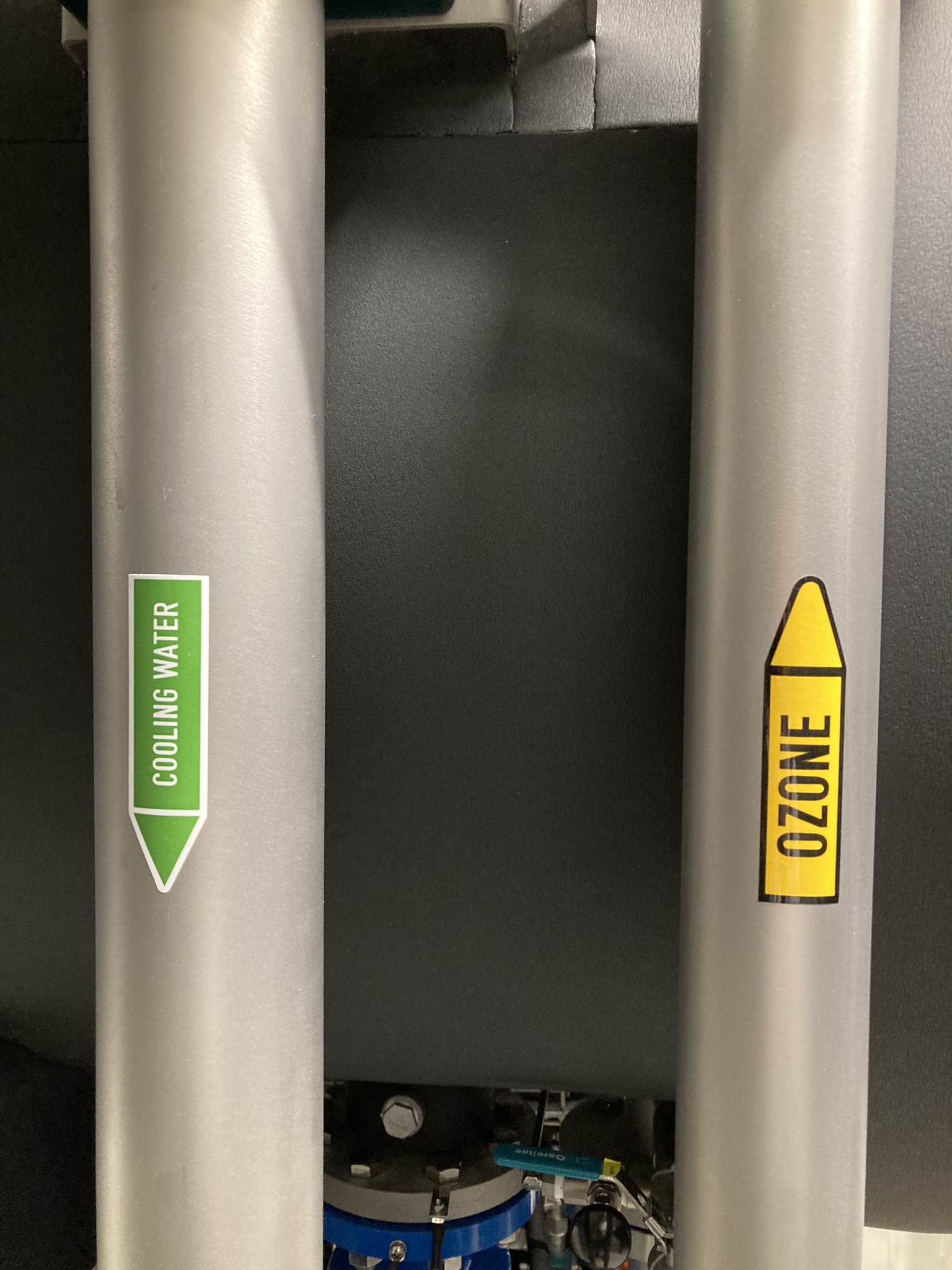
Quaternary treatment
The fourth treatment step further refines the water and removes micropollutants, germs and other harmful substances.
The fourth treatment step is an additional stage in wastewater treatment plants and complements the first three treatment steps (mechanical, biological and chemical). The aim of this step is to remove substances that cannot be sufficiently removed by conventional processes, in particular trace amounts of organic substances, also known as micropollutants.
Organic micropollutants include residues of medicines, hormones, household and industrial chemicals, and cosmetics. These substances are present in wastewater in very low concentrations (in the range of nanograms to micrograms per litre), but even at these levels they can have harmful effects on aquatic organisms and ecosystems.
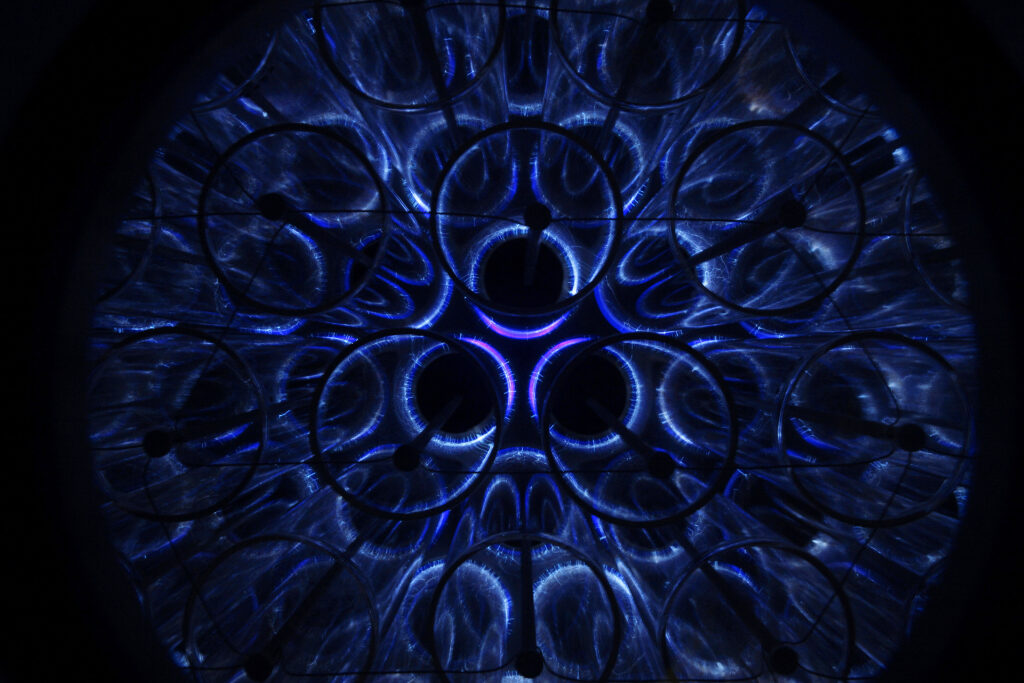
The fourth treatment usually based on ozone processes, during which the substances are chemically transformed, and/or on the use of activated carbon, to which these substances are adsorbed. Other possible processes include planted filters, membrane processes or ultraviolet (UV) radiation treatment. Depending on the technology used, the fourth treatment step can also contribute to a partial disinfection of the wastewater, i.e. a reduction in the microbial load.
However, even a fourth treatment step does not completely eliminate all substances present in wastewater. Some substances are difficult or even impossible to separate using technical means, and even for those that can be effectively removed, complete elimination is generally not achieved. This is why it is particularly important to avoid introducing problematic substances into the water cycle as much as possible, as their subsequent removal involves high technical and financial costs. It should also be noted that, even though wastewater treated in a fourth stage meets very high purification standards, it does not reach drinking water quality.
With the new Urban Wastewater Directive, the introduction of a fourth treatment step becomes mandatory for certain selected treatment plants.
Discover other infrastructure facilities
Pipes
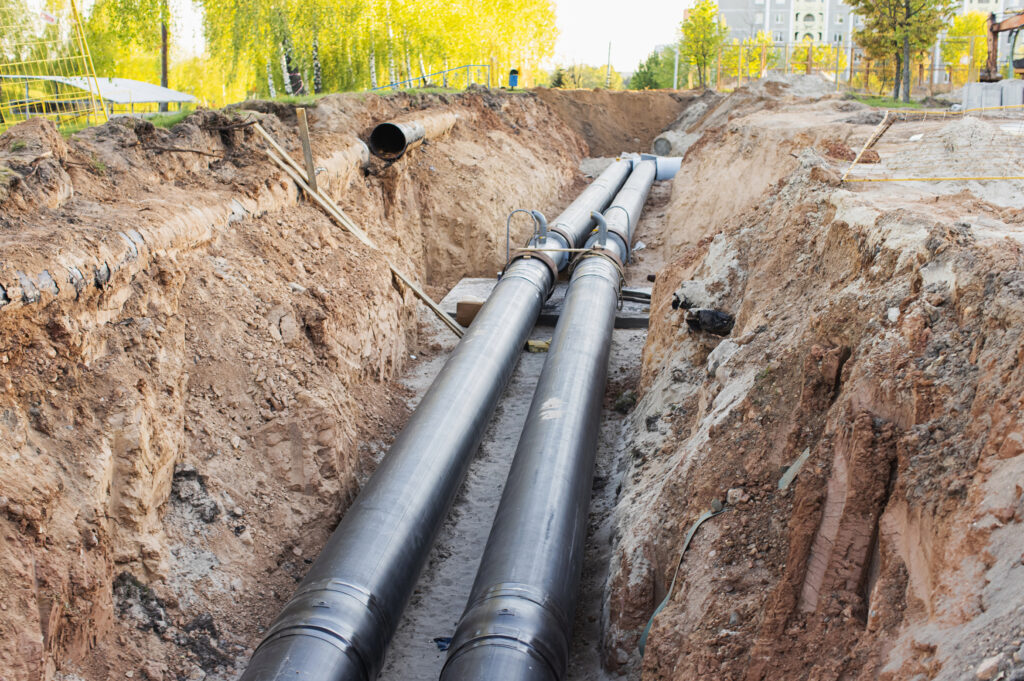
Sewers carry away wastewater. This includes wastewater from households and businesses, as well as rainwater from impermeable surfaces. In a combined system, both are transported to the treatment plant, while…
Combined Sewer Overflows
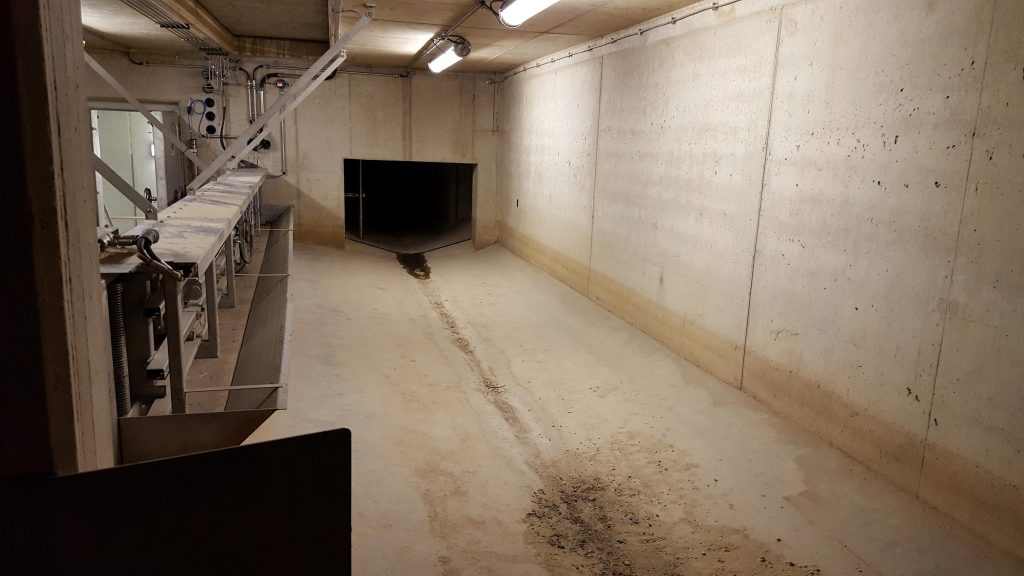
In the event of heavy rainfall, the discharge structures of the combined sewer system discharge excess, highly diluted wastewater in a controlled manner into the watercourse in order to relieve…
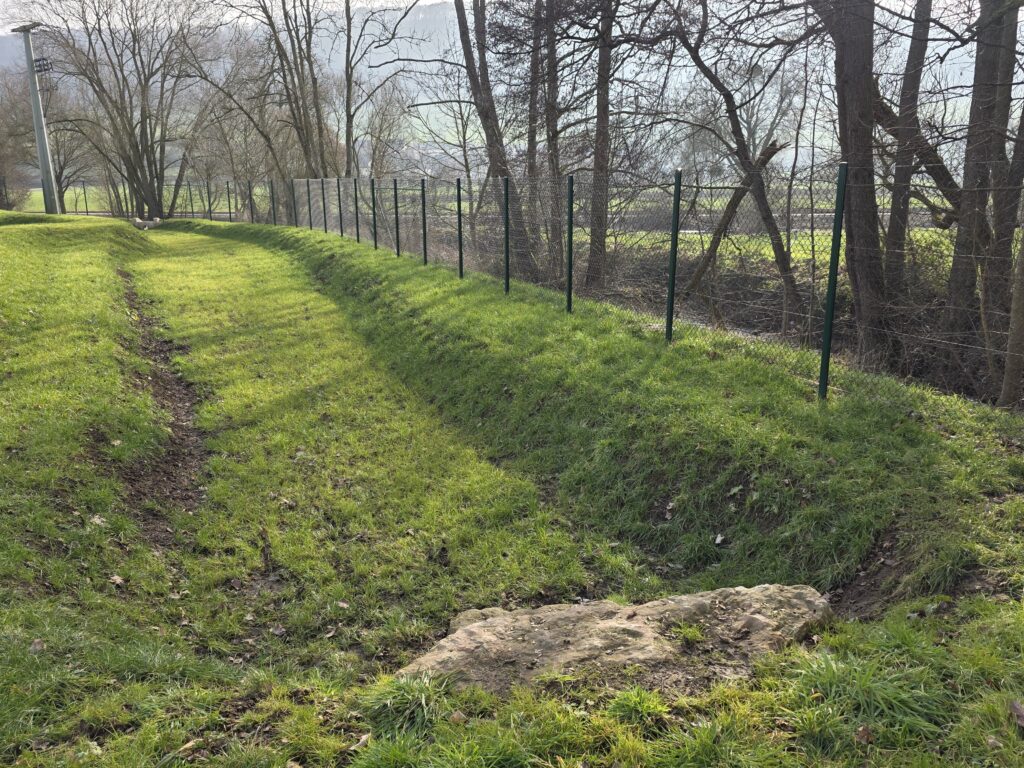
Retention basins
The rainwater retention basins of the separate system temporarily store excess rainwater and regulate the flow to the watercourse or rainwater network.
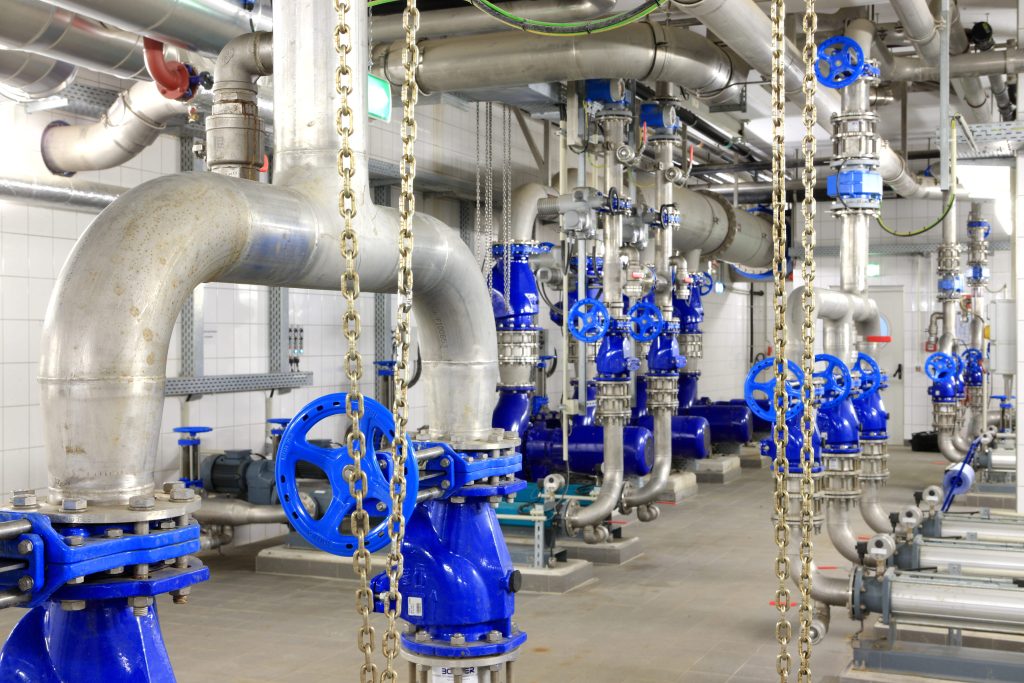
Pumping stations
Pumping stations lift wastewater to higher levels so that it can continue to flow, even in flat or difficult terrain.
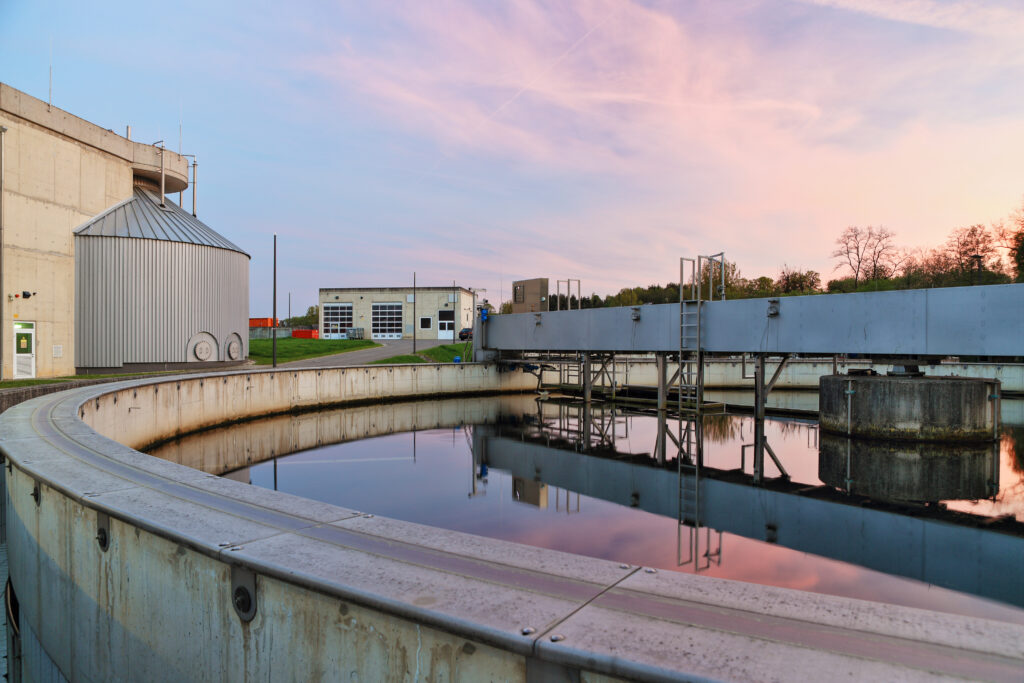
Wastewater treatment plants
Wastewater treatment plants treat wastewater using mechanical, biological and chemical processes before discharging it into a watercourse.
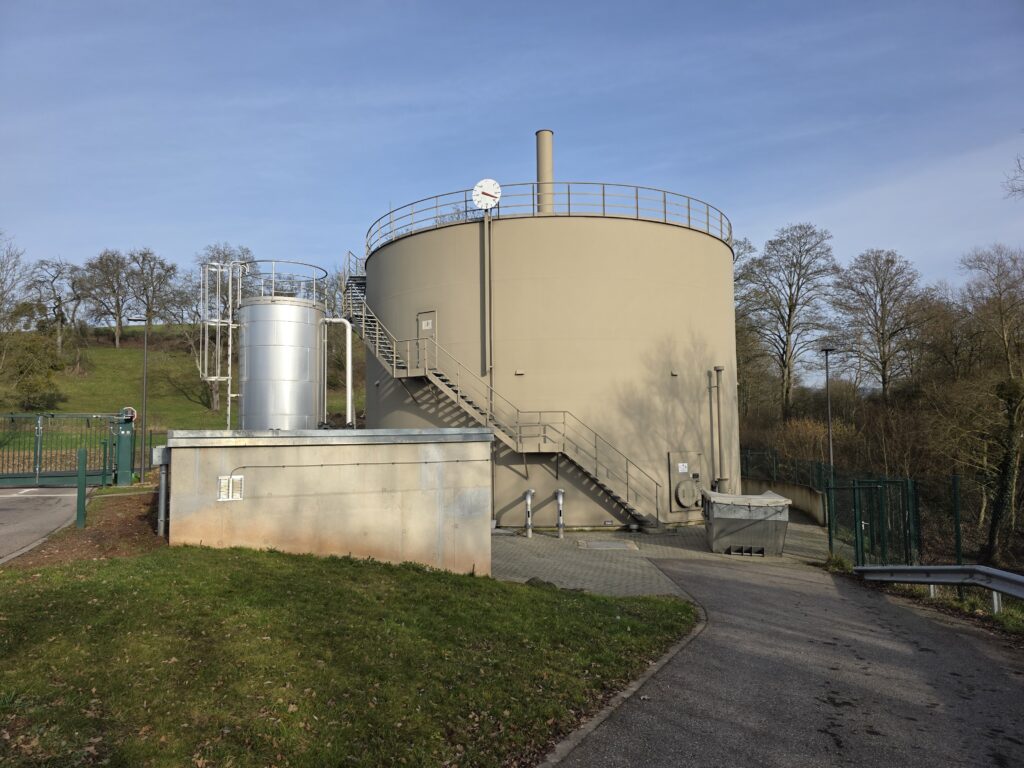
Sludge treatment
During sludge treatment, the sewage sludge produced is stabilised, dewatered and recycled.
Analytical laboratories
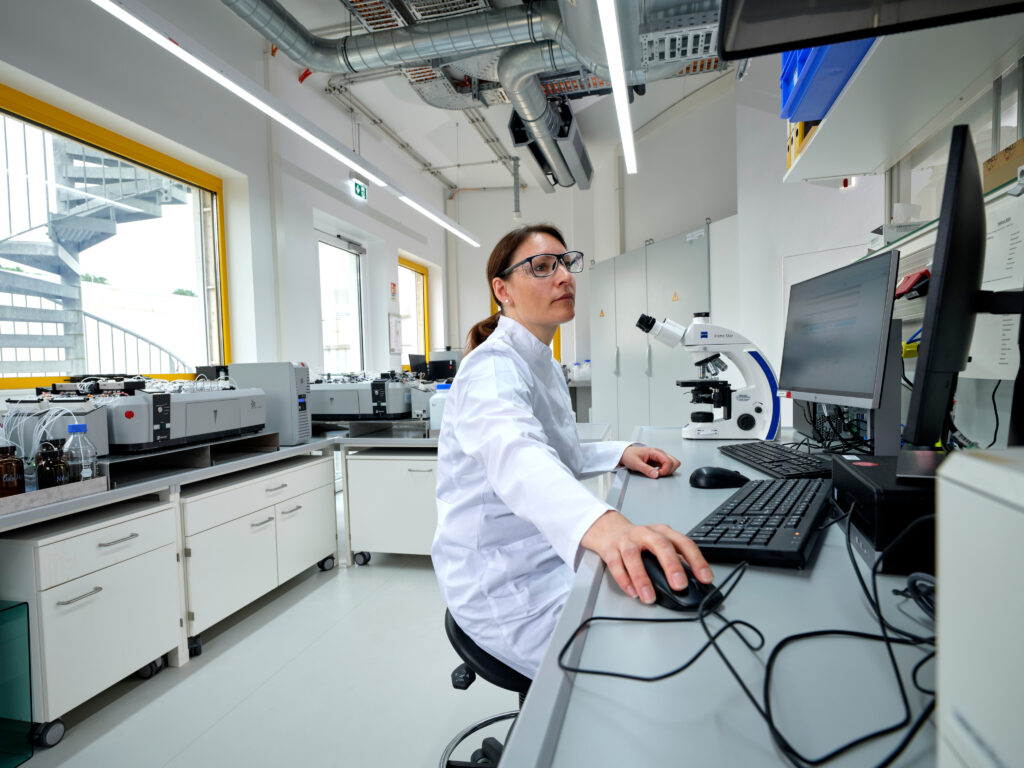
Analytical laboratories monitor the quality of water and sludge at every stage of the treatment plant process.