
Sludge treatment
During sludge treatment, the sewage sludge produced is stabilised, dewatered and valorised.
Sludge treatment is a central component of wastewater treatment plants. During the wastewater treatment process, sewage sludge is produced, which contains organic matter, heavy metals, phosphorus bound by chemical precipitation, microplastics, certain micropollutants and microorganisms. During primary settling, primary sludge is extracted, while excess or secondary sludge is formed during the biological stage.
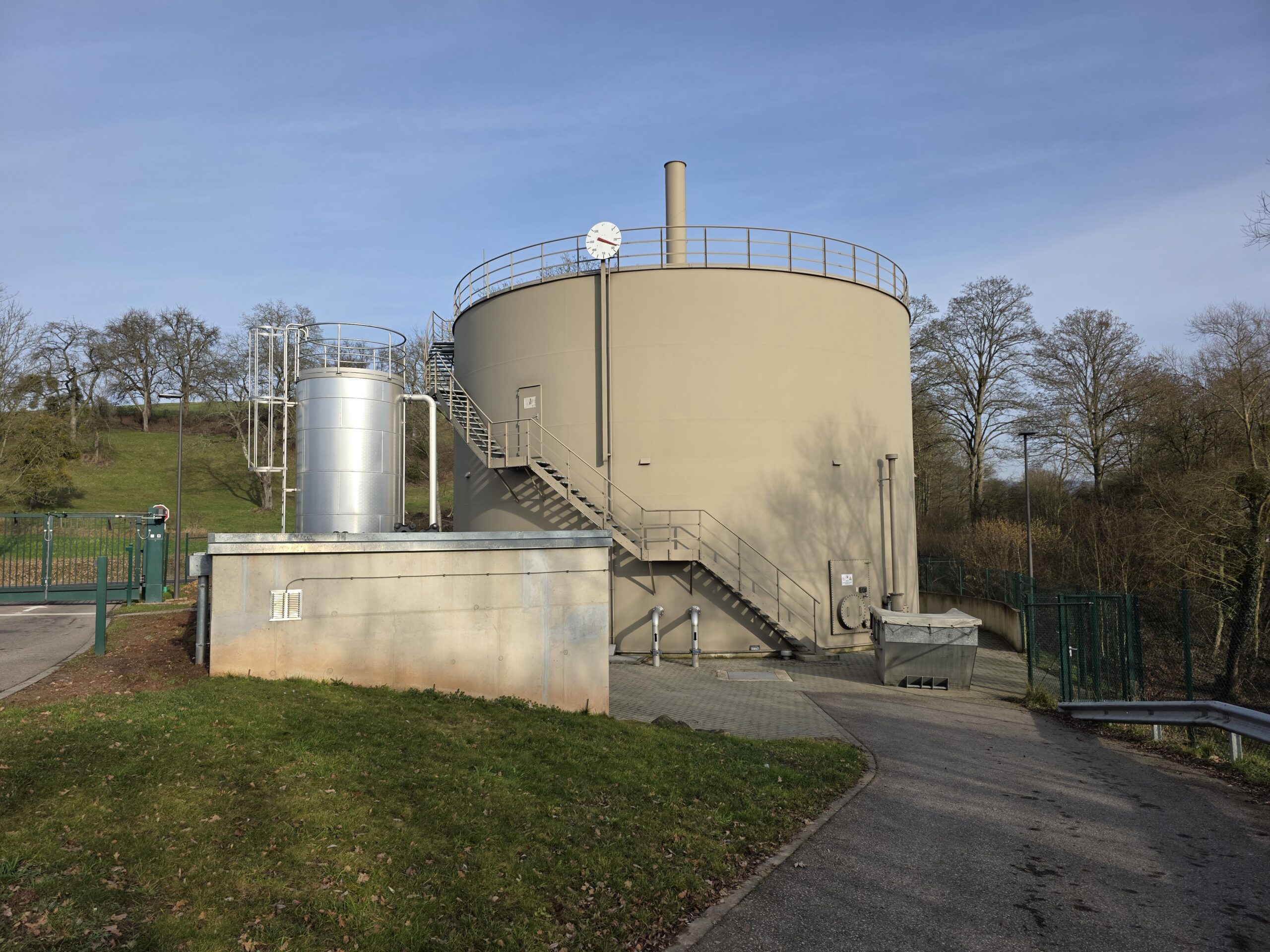
As a general rule, sludge is first thickened to reduce its water content and volume. It is then stabilised in order to inhibit biological degradation processes, limit odour nuisance and meet health requirements. In large biological treatment plants, this step takes place in digesters, which are often ovoid in shape. In these digesters, the sludge is digested under anaerobic conditions at a temperature of around 37°C. This process produces biogas (methane), which can be used for energy, for example in cogeneration plants, thus contributing to the production of heat and electricity.
The digested sludge is then dewatered, which further reduces its volume significantly. Depending on the process used and the quality of the sludge, the dewatered sludge can be used for energy recovery, composted or disposed of by other means. Agricultural recovery is gradually declining due to the increasing load of pollutants contained in sewage sludge. Thermal recovery is carried out either in single-stream incineration units, where only sewage sludge is burned, or in co-incineration plants, which also process other waste, such as household waste. There are currently no single-stream incineration facilities in Luxembourg; however, a national strategy for sewage sludge is currently being implemented.
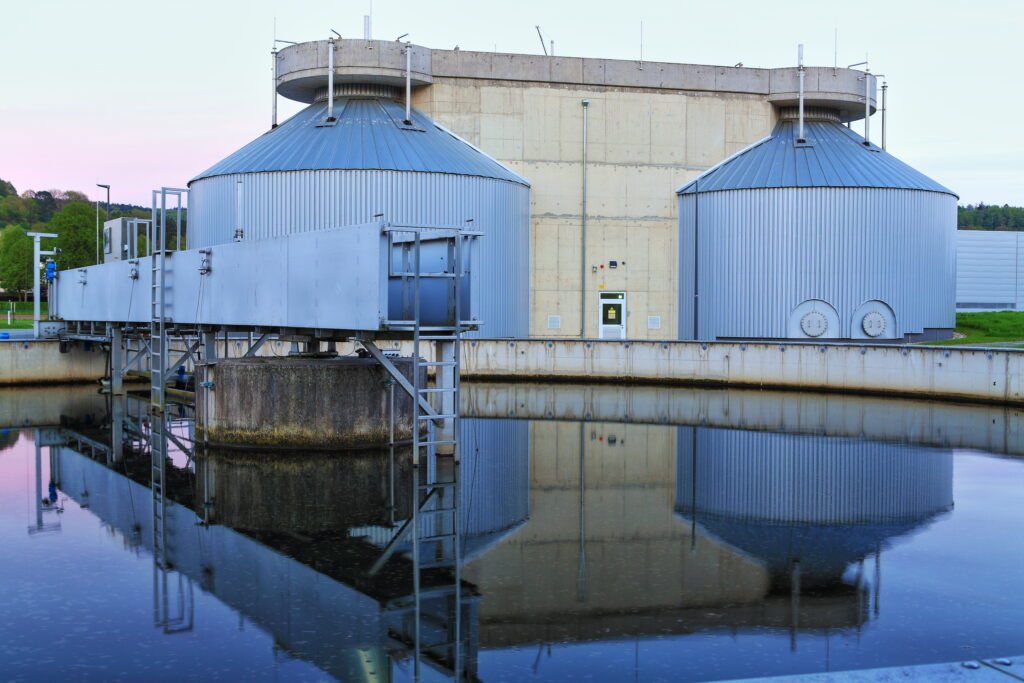
The process water generated during sludge treatment is returned to the treatment plant. Sewage sludge also contains phosphorus extracted during chemical treatment. Technical solutions exist for recovering phosphorus from sewage sludge or from the ash produced by its incineration. These technologies are being continuously developed to ensure sustainable management in the future, given the limited availability of phosphorus.
Discover other infrastructure facilities
Pipes
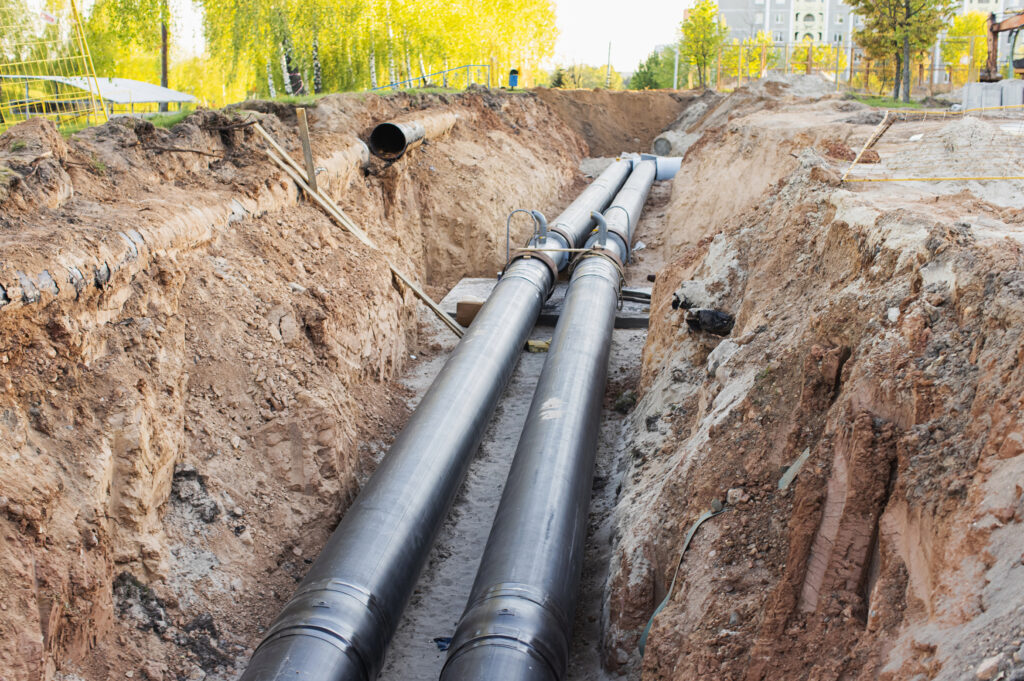
Sewers carry away wastewater. This includes wastewater from households and businesses, as well as rainwater from impermeable surfaces. In a combined system, both are transported to the treatment plant, while…
Combined Sewer Overflows
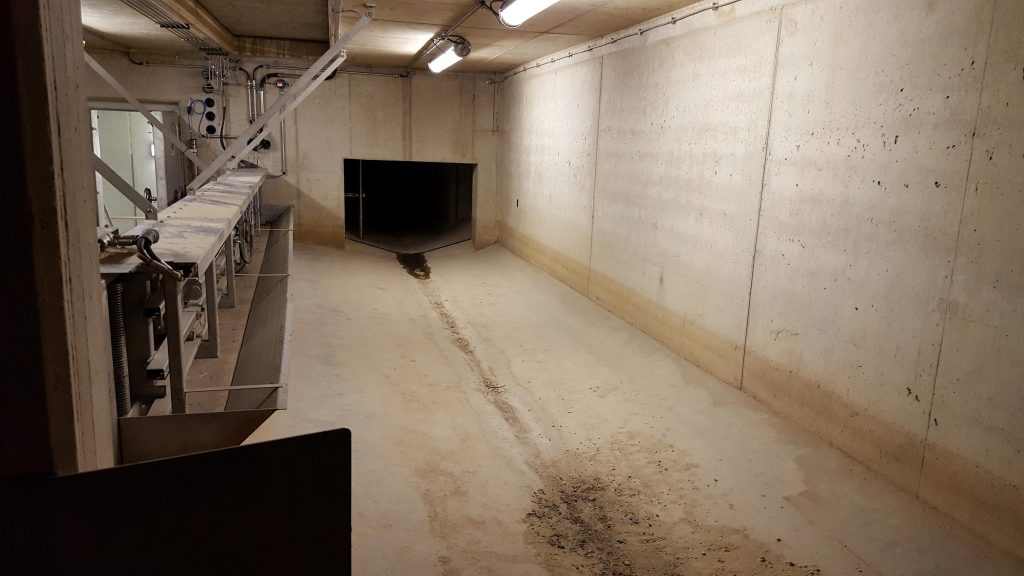
In the event of heavy rainfall, the discharge structures of the combined sewer system discharge excess, highly diluted wastewater in a controlled manner into the watercourse in order to relieve…
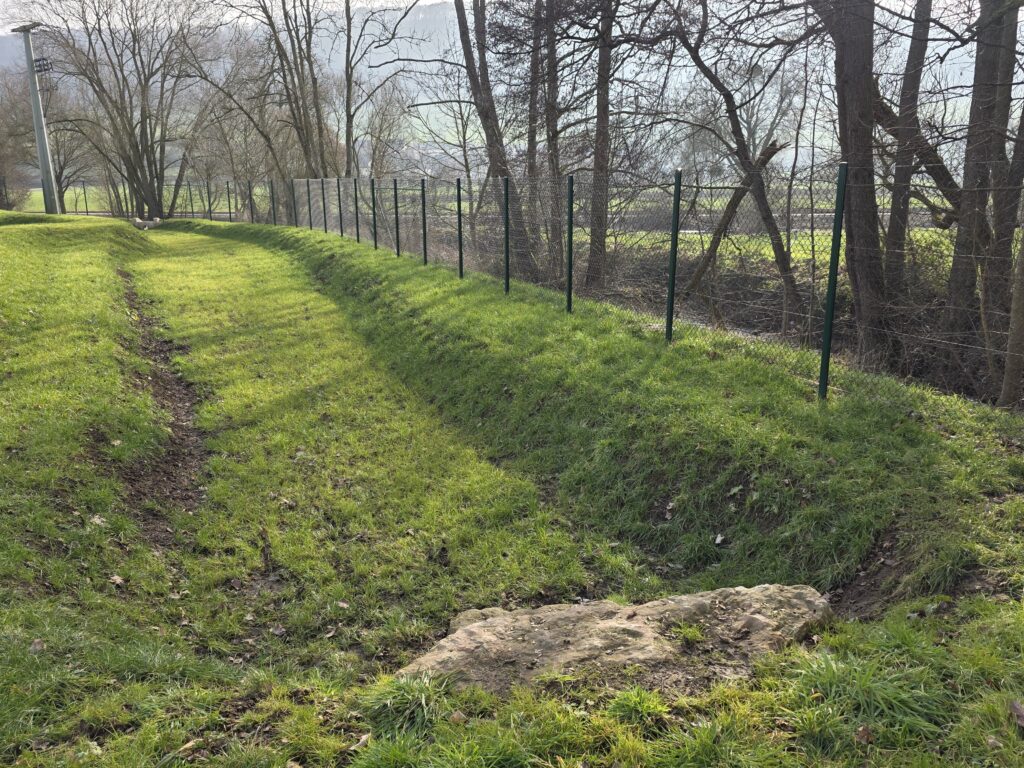
Retention basins
The rainwater retention basins of the separate system temporarily store excess rainwater and regulate the flow to the watercourse or rainwater network.
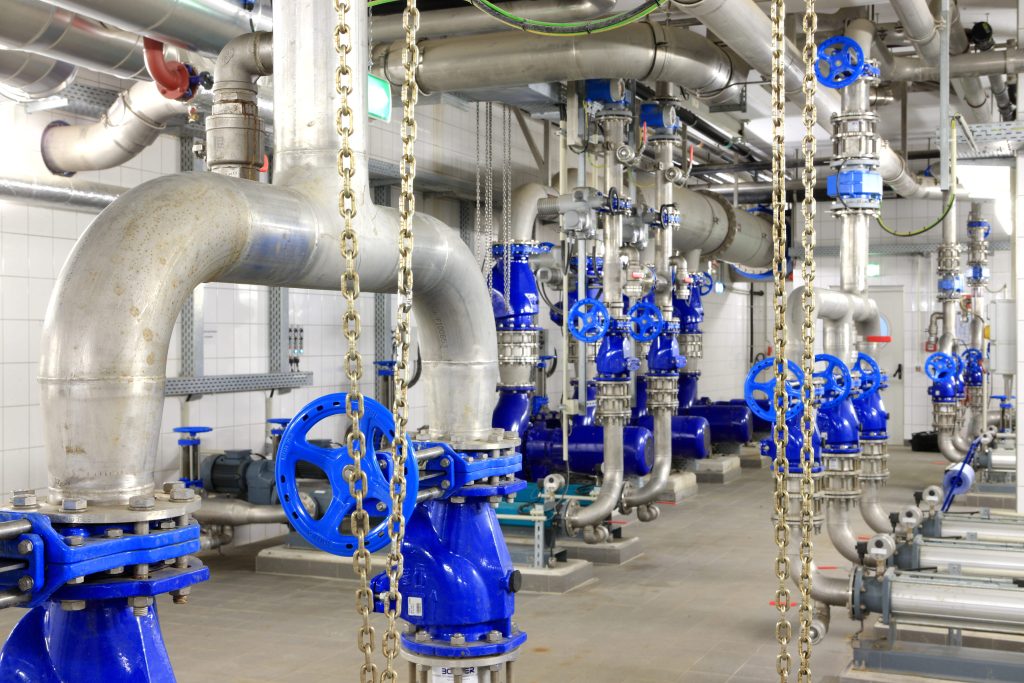
Pumping stations
Pumping stations lift wastewater to higher levels so that it can continue to flow, even in flat or difficult terrain.
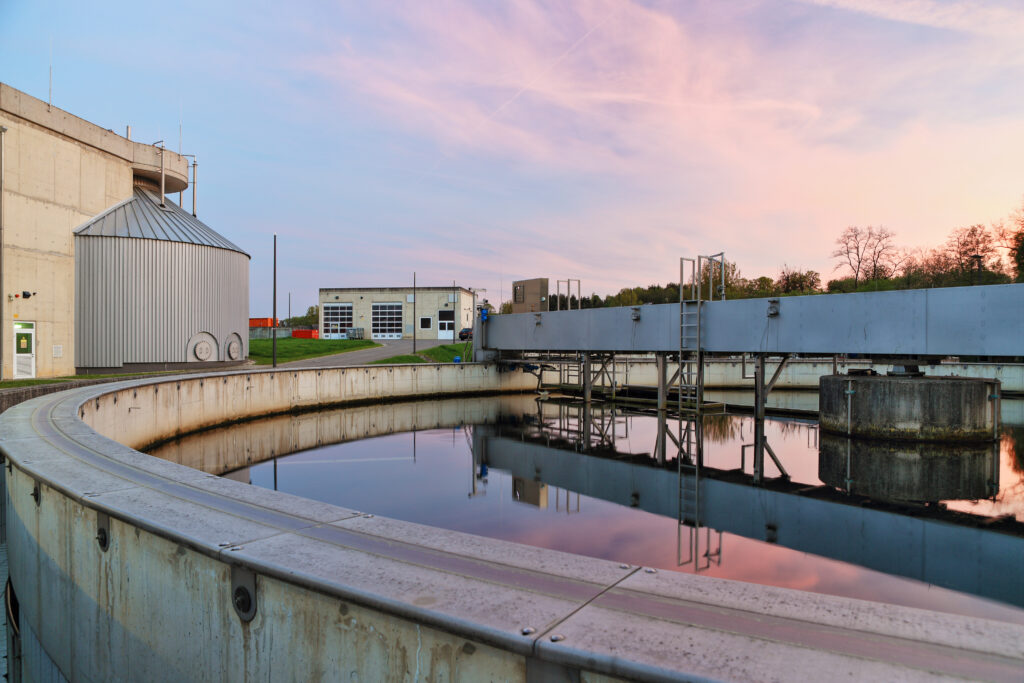
Wastewater treatment plants
Wastewater treatment plants treat wastewater using mechanical, biological and chemical processes before discharging it into a watercourse.
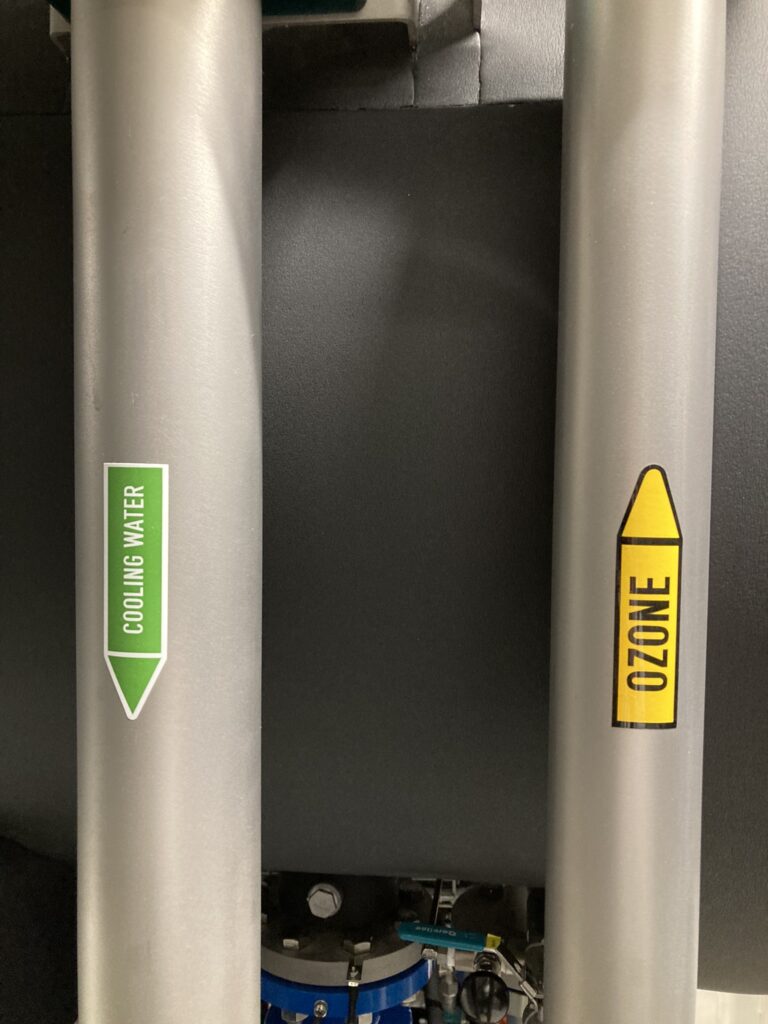
Quaternary treatment
The fourth treatment stage further refines the water and removes micro-pollutants, germs and other harmful substances.
Analytical laboratories
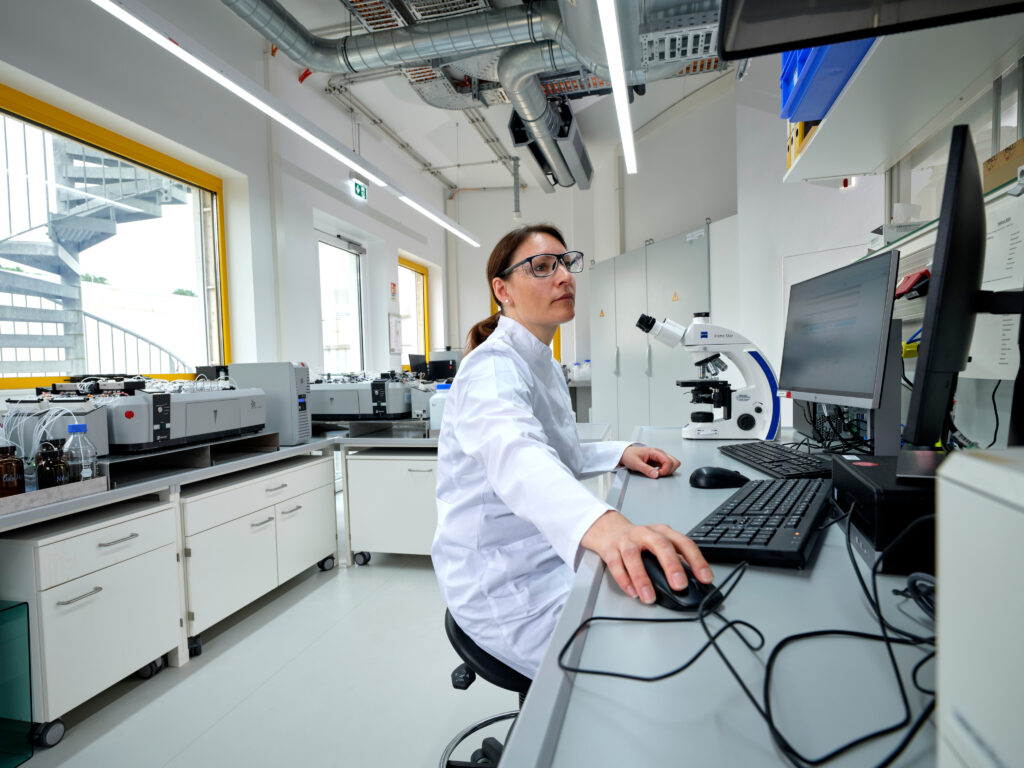
Analytical laboratories monitor the quality of water and sludge at every stage of the treatment plant process.