
Retention basins
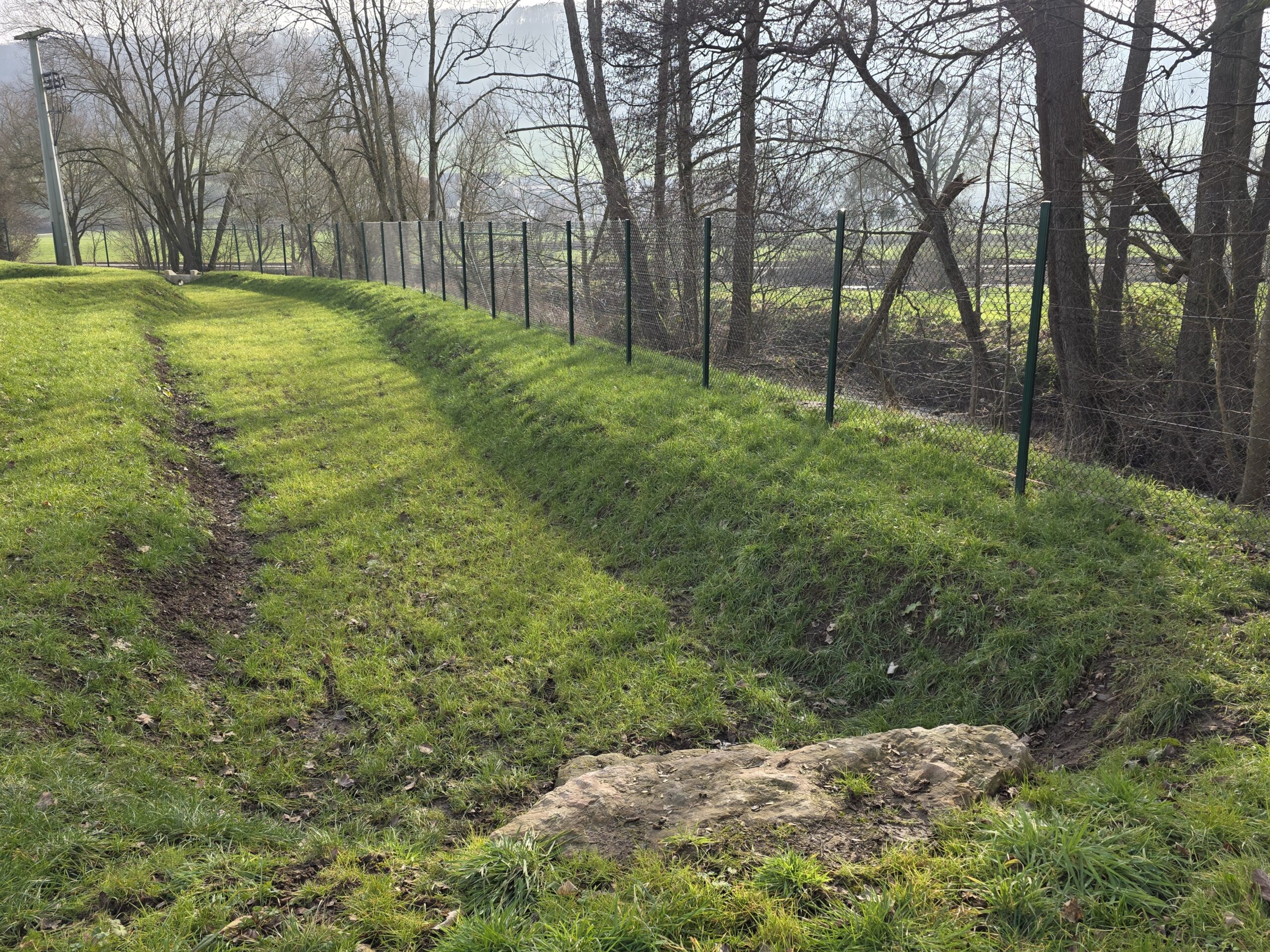
The rainwater retention basins of the separate sewer system temporarily store excess rainwater and regulate the flow to the watercourse or rainwater network.
In the separate sysytem, in order to prevent excessive volumes of rainwater from entering the rainwater sewer or the receiving watercourse during heavy rainfall events, rainwater retention basins are installed. They temporarily store rainwater and release it in a controlled manner into the natural environment.
Through their mode of operation, retention basins contribute to the protection of the natural environment. Excessive or too frequent discharges can harm the biological quality of watercourses and increase the risk of flooding and erosion of the riverbed and banks.
In addition, retention basins compensate for impervious surfaces such as roofs, roads, pavements and car parks, which are no longer able to absorb rainwater. They slow the water down and reduce flow rates through infiltration and make a vital contribution to flood protection, while promoting nature-based stormwater management.
Rainwater retention basins should preferably be constructed in an open form. Open basins, used exclusively for rainwater retention and located outside drinking water catchment protection areas, should be designed with a simple, vegetated base to maximise infiltration. When stabilisation of the basin bottom is necessary, grass pavers or similar structures should be used instead of traditional paving to promote rainwater infiltration.
In Luxembourg, for example, retention basins are mandatory in new development projects above a certain size. At least part of the retention must then be open to the sky, in order to allow easy control of connections and to exclude incorrect connections.
Thanks to their adapted design, retention basins can blend harmoniously into urban and natural landscapes.
Discover other infrastructure facilities
Pipes
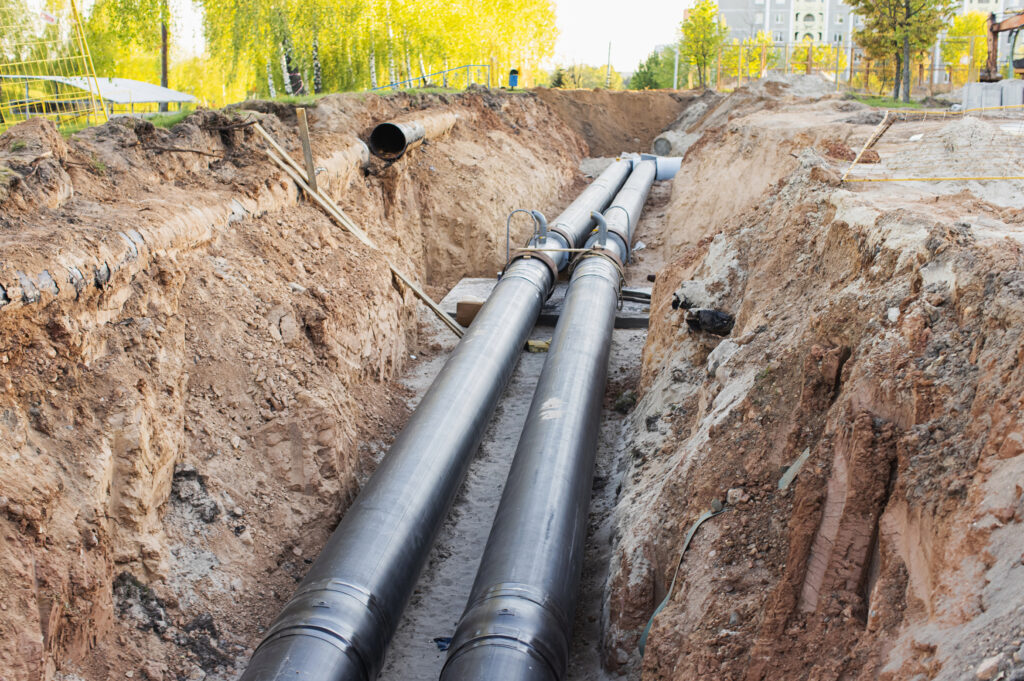
Sewers carry away wastewater. This includes wastewater from households and businesses, as well as rainwater from impermeable surfaces. In a combined system, both are transported to the treatment plant, while…
Combined Sewer Overflows
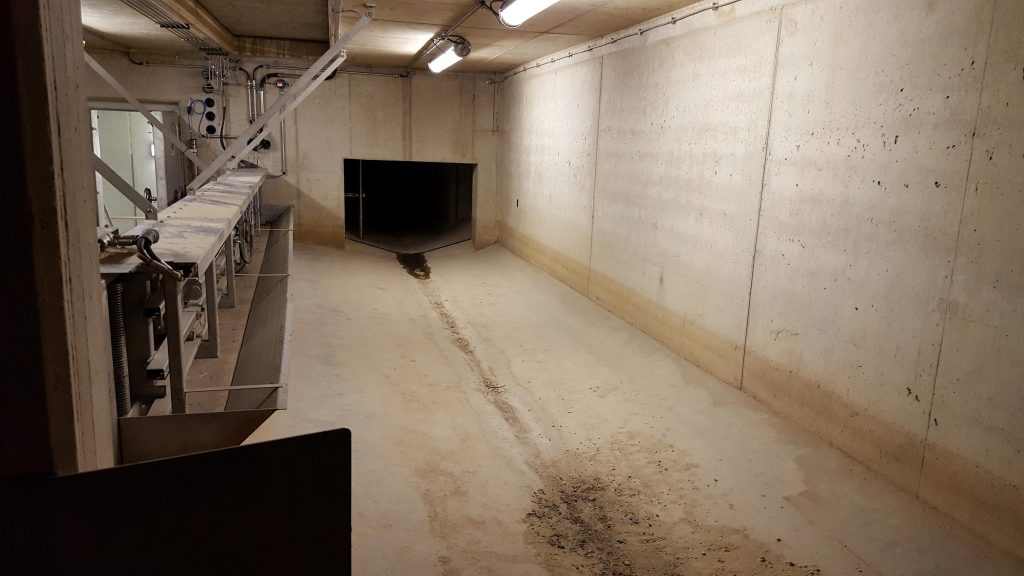
In the event of heavy rainfall, the discharge structures of the combined sewer system discharge excess, highly diluted wastewater in a controlled manner into the watercourse in order to relieve…
Pumping stations
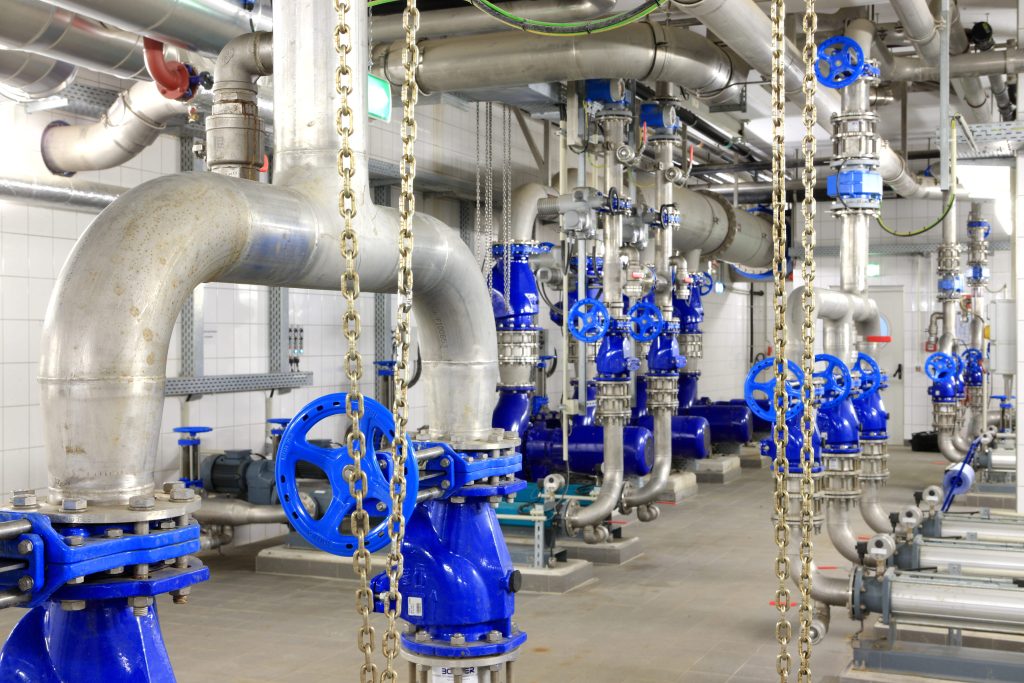
Pumping stations lift wastewater to higher levels so that it can continue to flow, even in flat or difficult terrain.
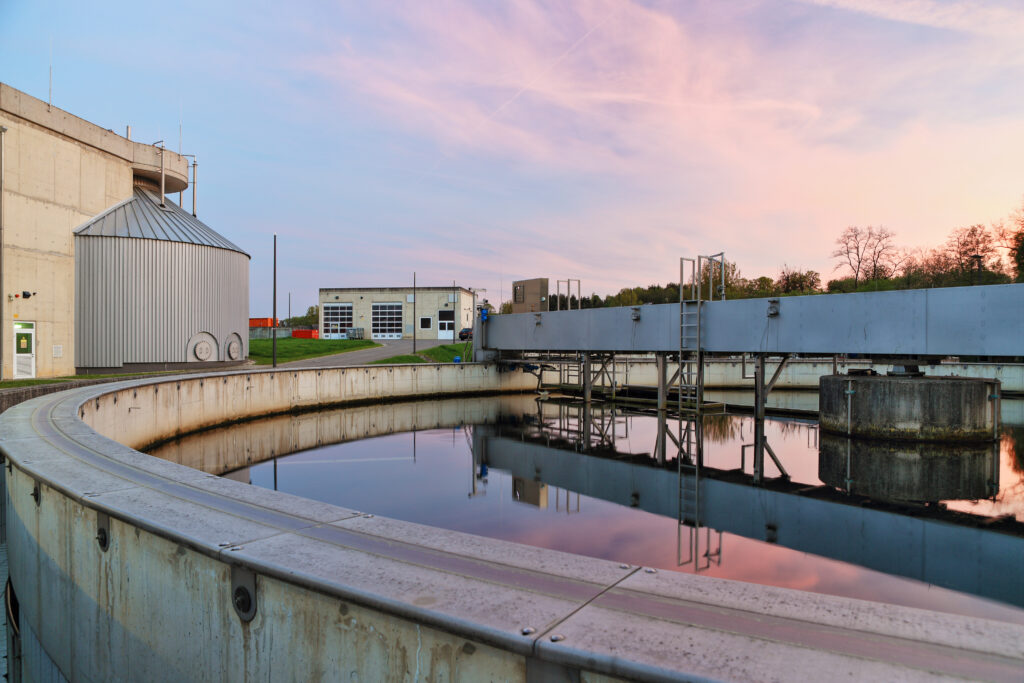
Wastewater treatment plants
Wastewater treatment plants treat wastewater using mechanical, biological and chemical processes before discharging it into a watercourse.
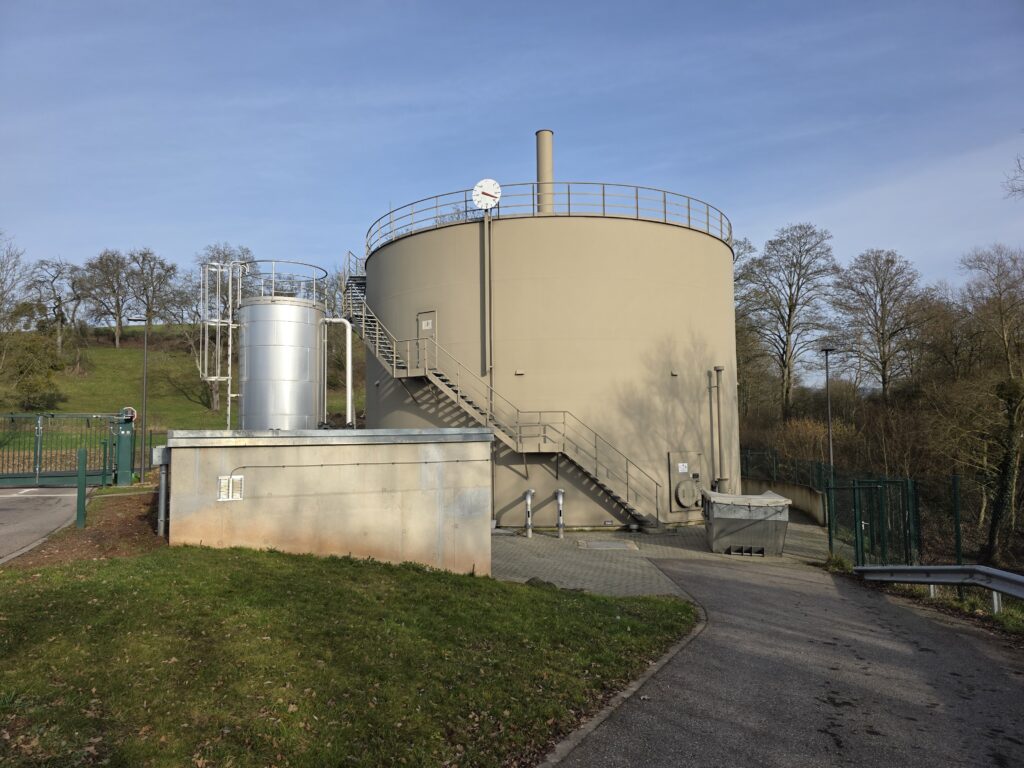
Sludge treatment
During sludge treatment, the sewage sludge produced is stabilised, dewatered and recycled.
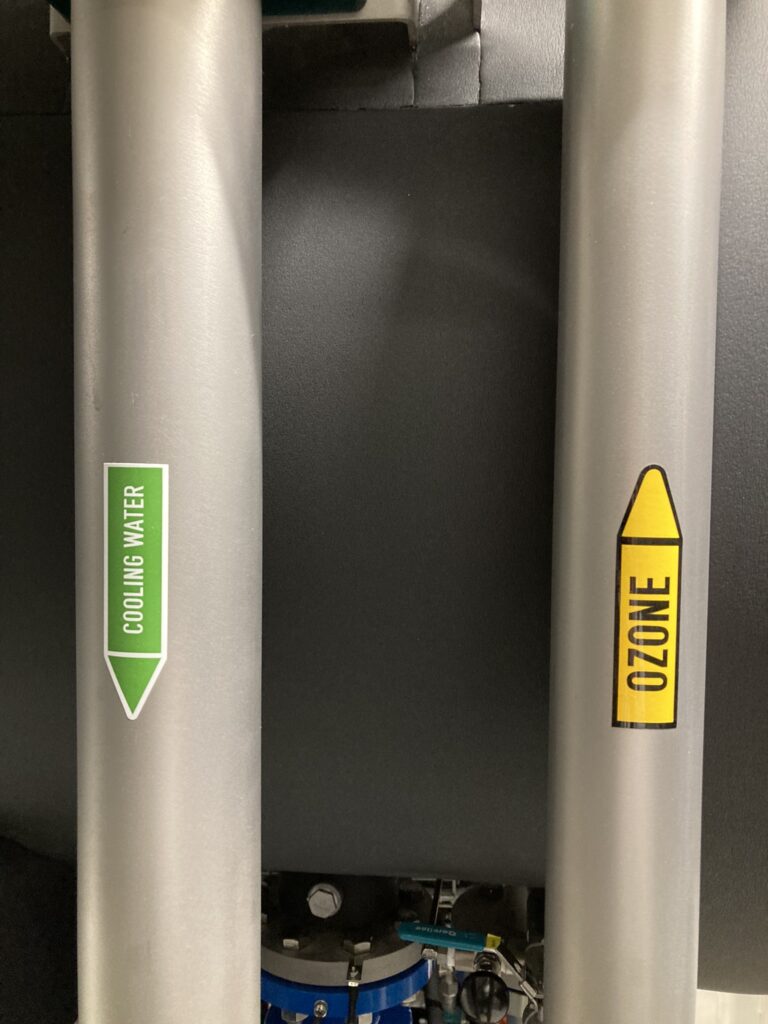
Quaternary treatment
The fourth treatment stage further refines the water and removes micro-pollutants, germs and other harmful substances.

Analytical laboratories
Analytical laboratories monitor the quality of water and sludge at every stage of the treatment plant process.