
What you don’t see makes the difference.
Beneath our feet, a complex network works every day to protect public health and nature.
Sewers, treatment plants, laboratories… Each link in this invisible chain plays a crucial role.
In Luxembourg, wastewater from our homes, schools, businesses and hospitals is collected, transported and treated before being discharged into rivers. This daily work, which is discreet but vital, protects ecosystems, limits diseases and ensures a healthy living environment for all. This page opens the doors to these essential infrastructures and shows you how they transform wastewater into clean water.
The journey of wastewater, step by step
From your shower drain to the discharge in the next river, wastewater follows a clearly defined path. Here are the main stages of this trip.

Did you know?
94% of respondents believe that water is treated, with 85% believing that it passes through a treatment plant. This is indeed the case: the majority of wastewater follows this path before being returned to nature.
Types of infrastructure
Every drop of wastewater follows a well-organised route. Behind this journey, a series of often invisible facilities work together to collect, transport, treat and return this water to nature. Here are the types of infrastructure that make this possible.
Pipes
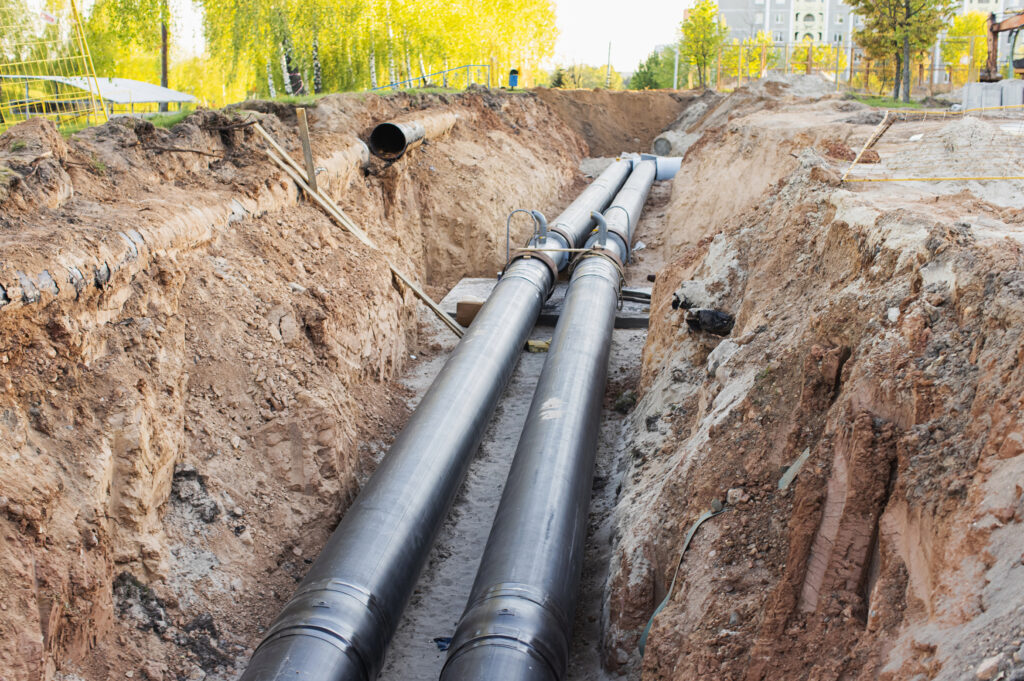
Sewers carry away wastewater. This includes wastewater from households and businesses, as well as rainwater from impermeable surfaces. In a combined system, both are transported to the treatment plant, while in a separate system, only wastewater is transported to the treatment plant, with rainwater being discharged into the receiving watercourse.
Combined Sewer Overflows
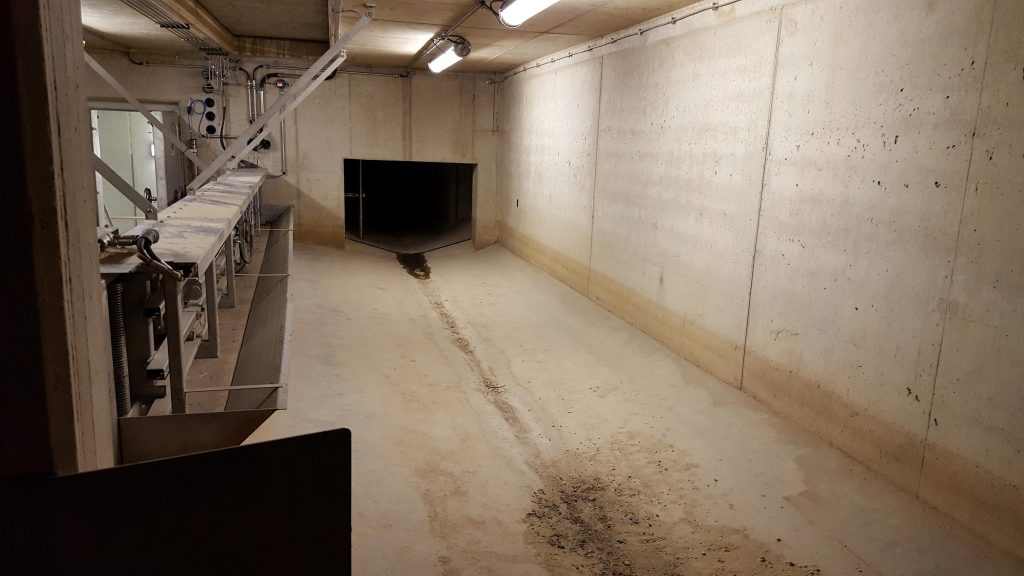
In the event of heavy rainfall, the discharge structures of the combined sewer system discharge excess, highly diluted wastewater in a controlled manner into the watercourse in order to relieve the sewerage network and protect the treatment plant.
Retention basins
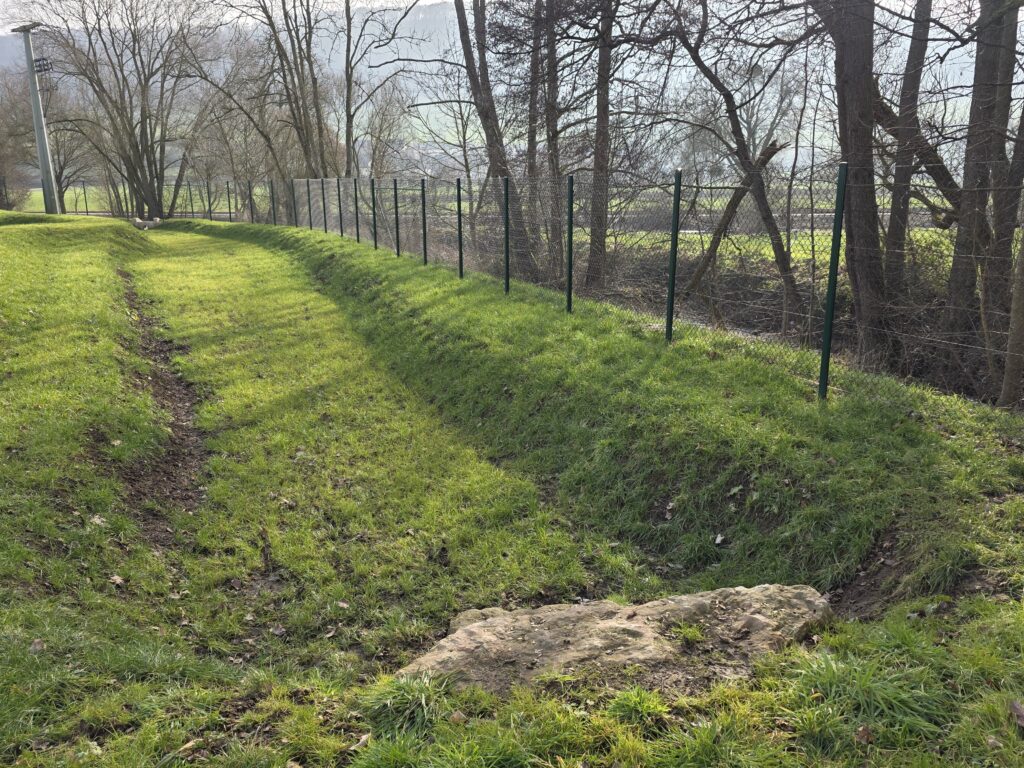
The rainwater retention basins of the separate system temporarily store excess rainwater and regulate the flow to the watercourse or rainwater network.
Pumping stations
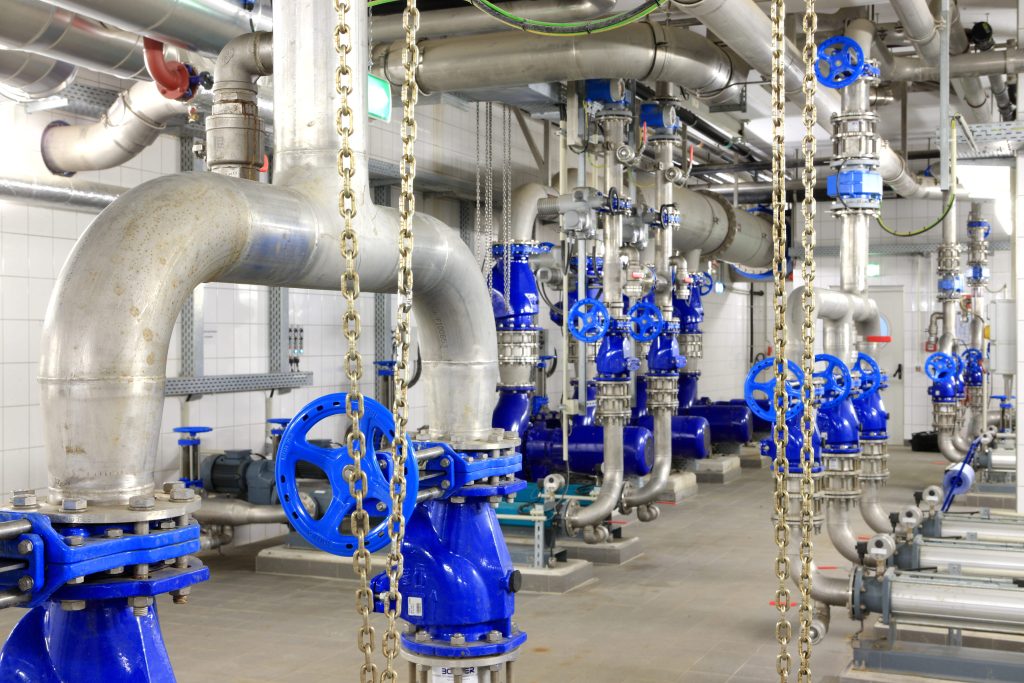
Pumping stations lift wastewater to higher levels so that it can continue to flow, even in flat or difficult terrain.
Wastewater treatment plants
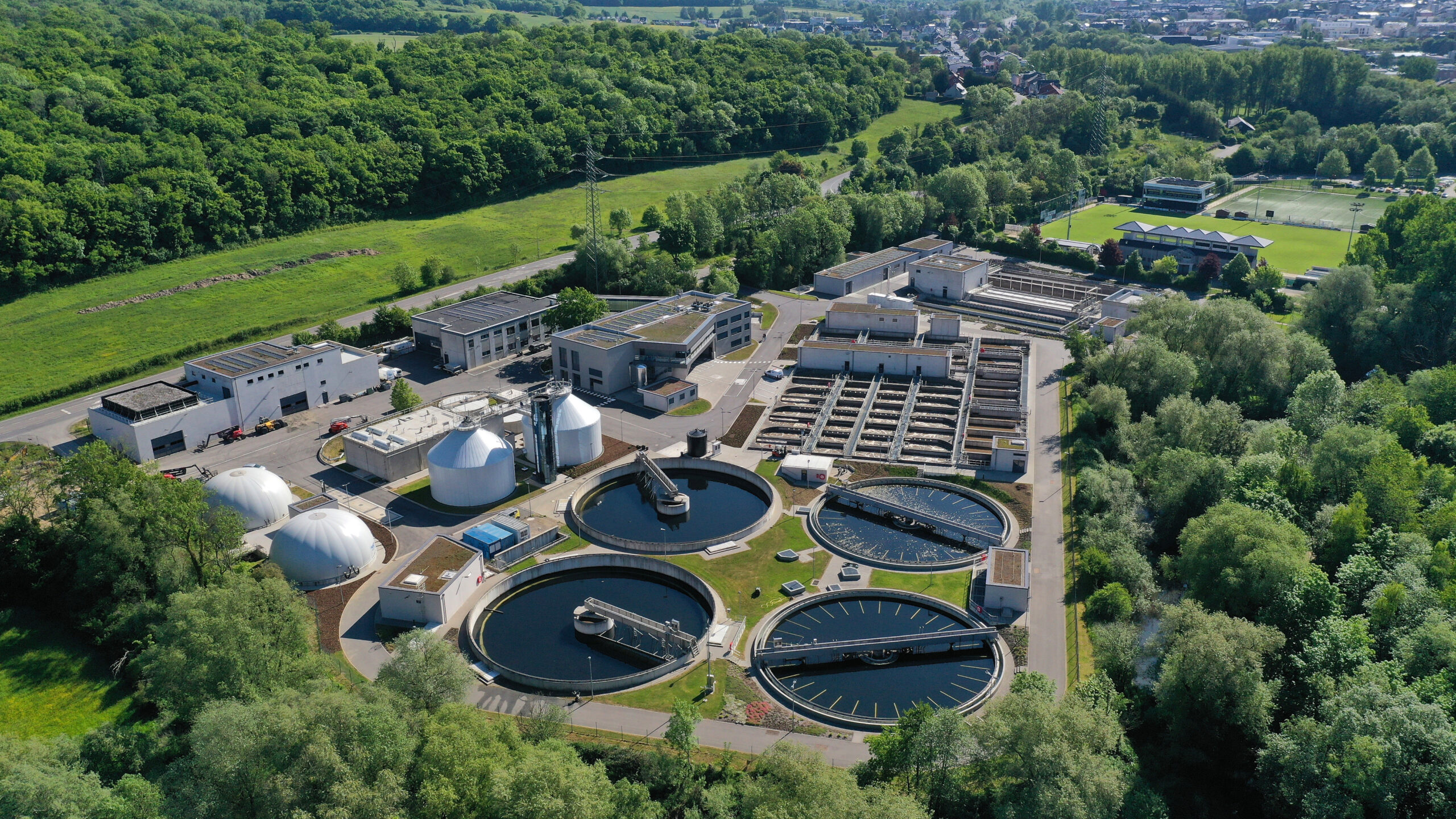
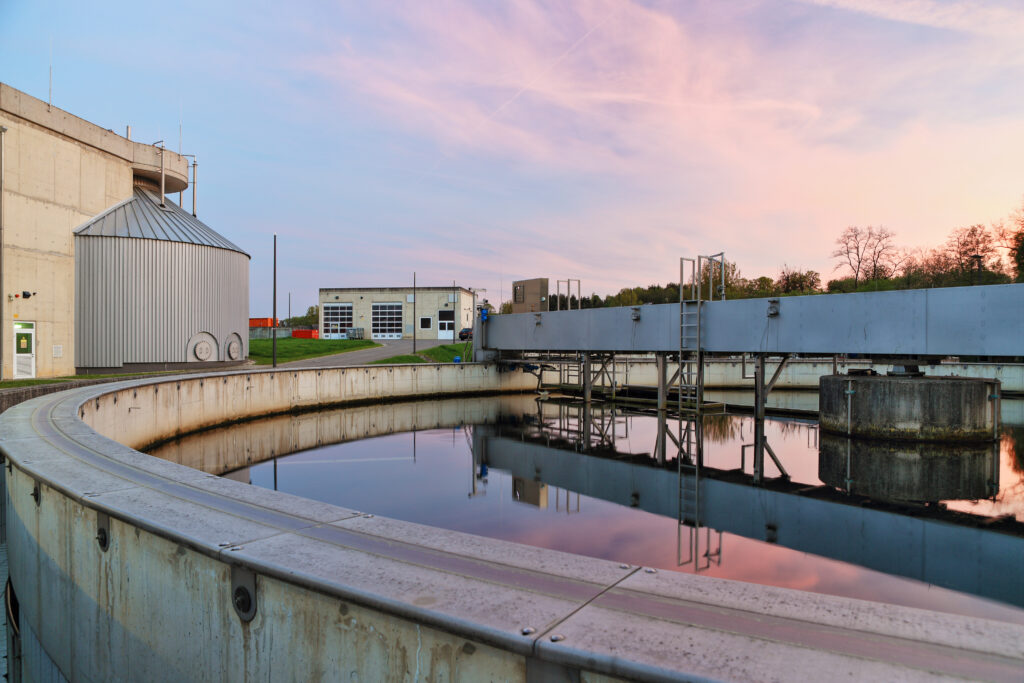
Wastewater treatment plants treat wastewater using mechanical, biological and chemical processes before discharging it into a watercourse.
Sludge treatment
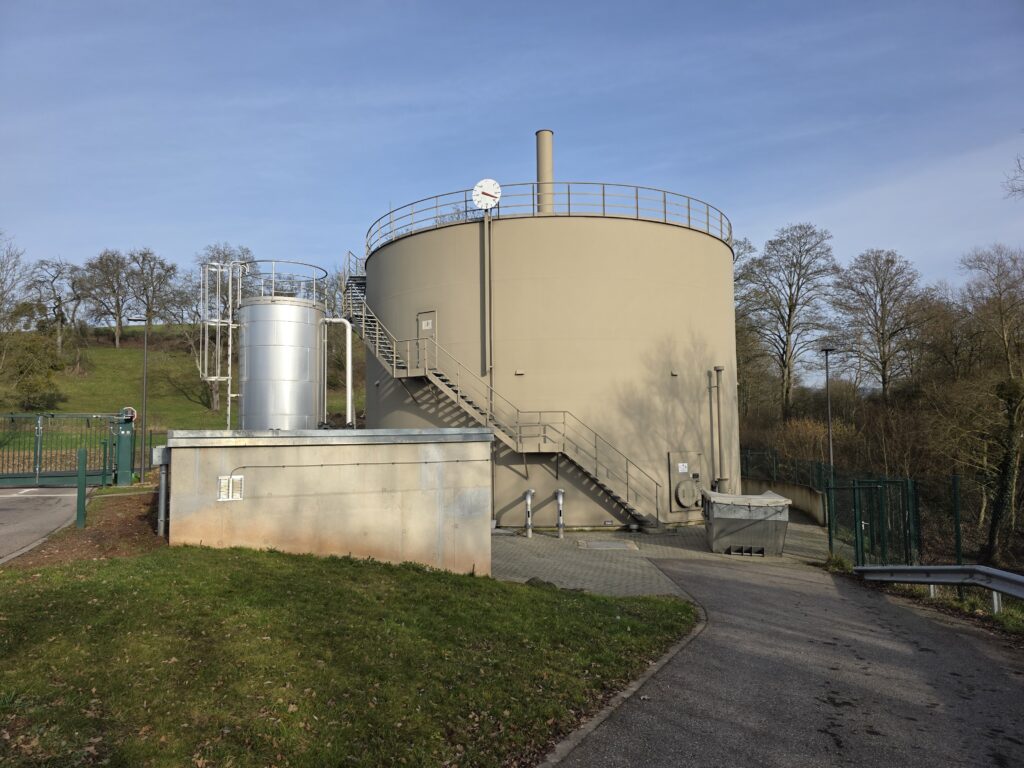
During sludge treatment, the sewage sludge produced is stabilised, dewatered and recycled.
Quaternary treatment
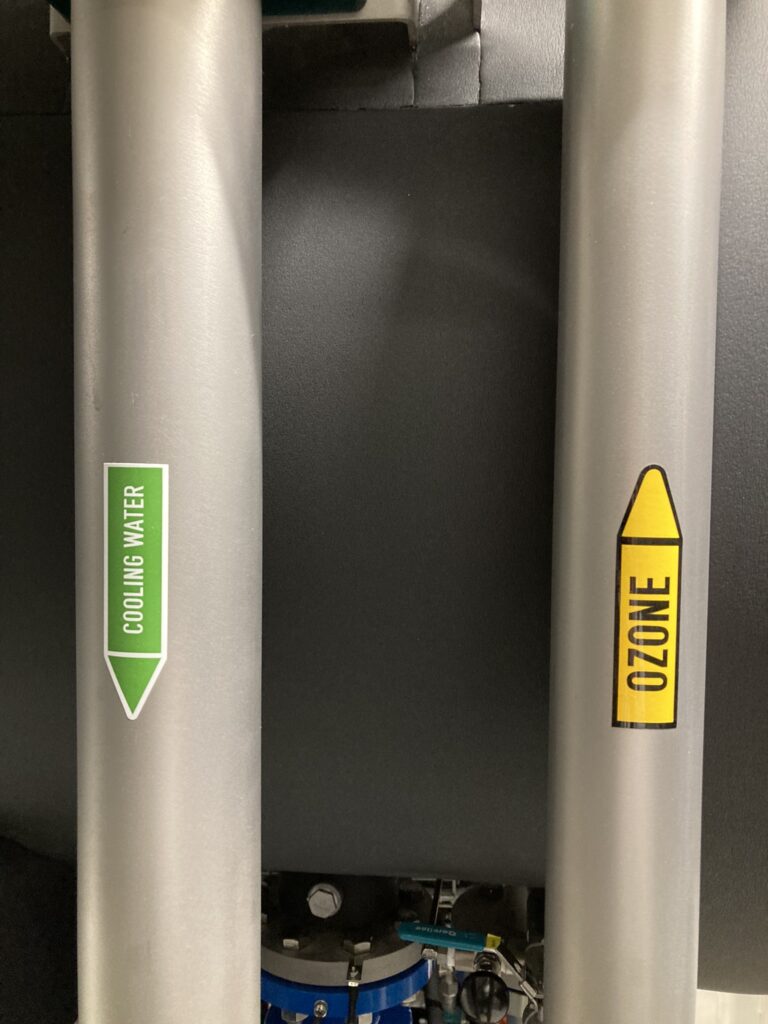
The fourth treatment stage further refines the water and removes micro-pollutants, germs and other harmful substances.
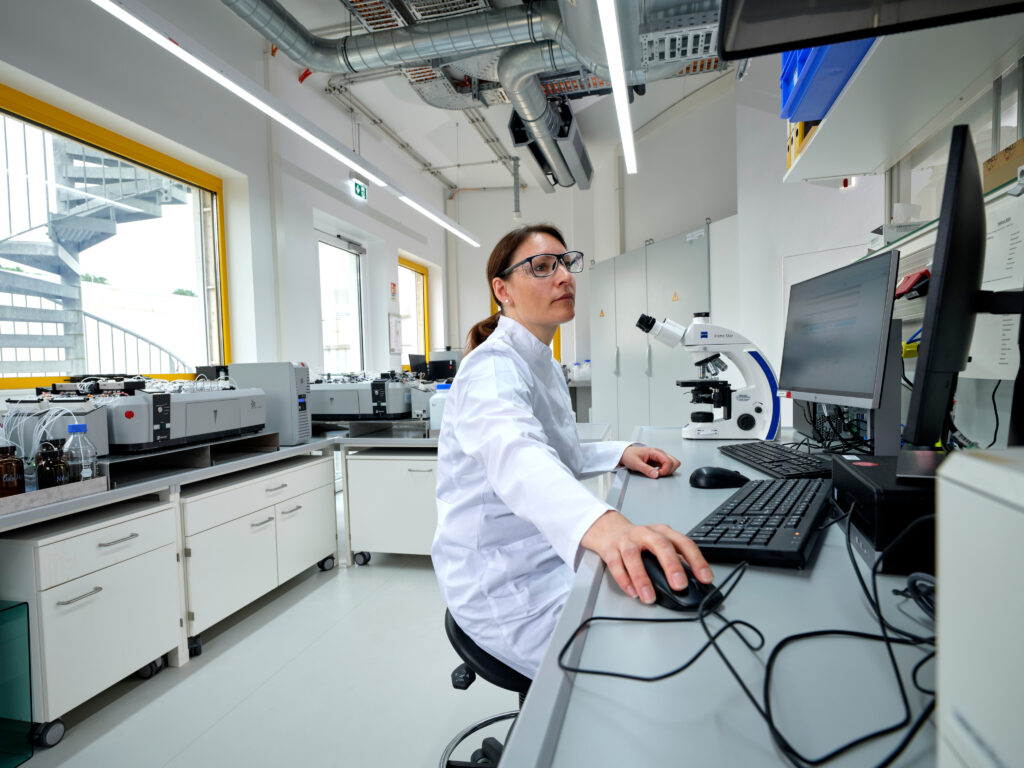
Analytical laboratories
Analytical laboratories monitor the quality of water and sludge at every stage of the treatment plant process.
Where are the stations near you?
Each wastewater treatment plant has its own specific characteristics: size, technology, managing authority, etc. Use this map to explore the plants near your town, find out how they work and learn how they contribute to water purification every day.
The people who make it all possible
From station staff to network engineers, researchers to maintenance workers… Many people work hard every day to keep the system running smoothly. Learn more about the jobs, skills and people that make up this essential sector.
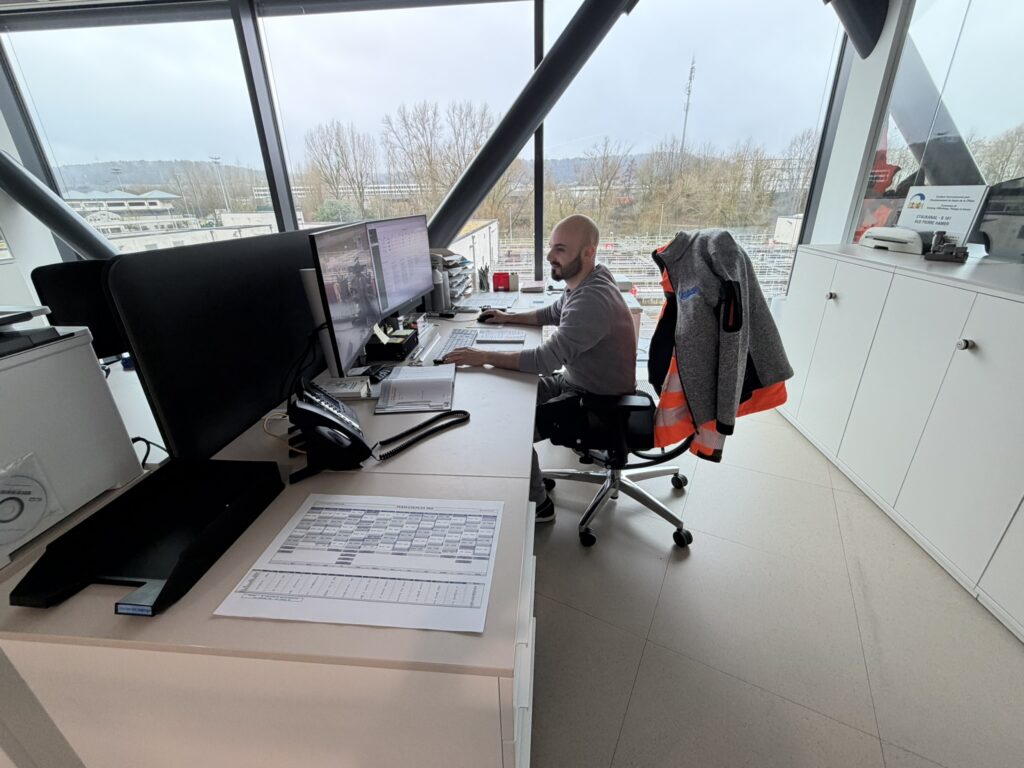
Team leader
Team leaders coordinate and organise the distribution of tasks among their colleagues to ensure the efficient operation of the treatment plants. At the same time, they supervise the treatment process and the operation of the associated facilities.
Testimonial
Since 2008, I have been working as an industrial mechanic at S.I.A.C.H., a job I am passionate about because of its great diversity. My duties range from outdoor maintenance to technical interventions on the main wastewater treatment units. The wastewater treatment plant is a demanding environment, where reliability, safety and compliance with environmental standards are essential. Our role is to ensure the proper functioning of mechanical, electromechanical and hydraulic installations in order to guarantee optimal wastewater treatment. In June 2023, I was promoted to deputy attendant, then in January 2026 to attendant in the operations and maintenance department. This progression has allowed me to develop both my technical skills on a renovated site and my interpersonal and organisational skills. I now manage a team of 19 people, a stimulating responsibility that requires listening, patience and team spirit. Despite the daily challenges, contributing to public service and environmental protection remains a constant source of motivation.

Giuseppe Macri
Operations and maintenance department attendant, at SIACH since 2008
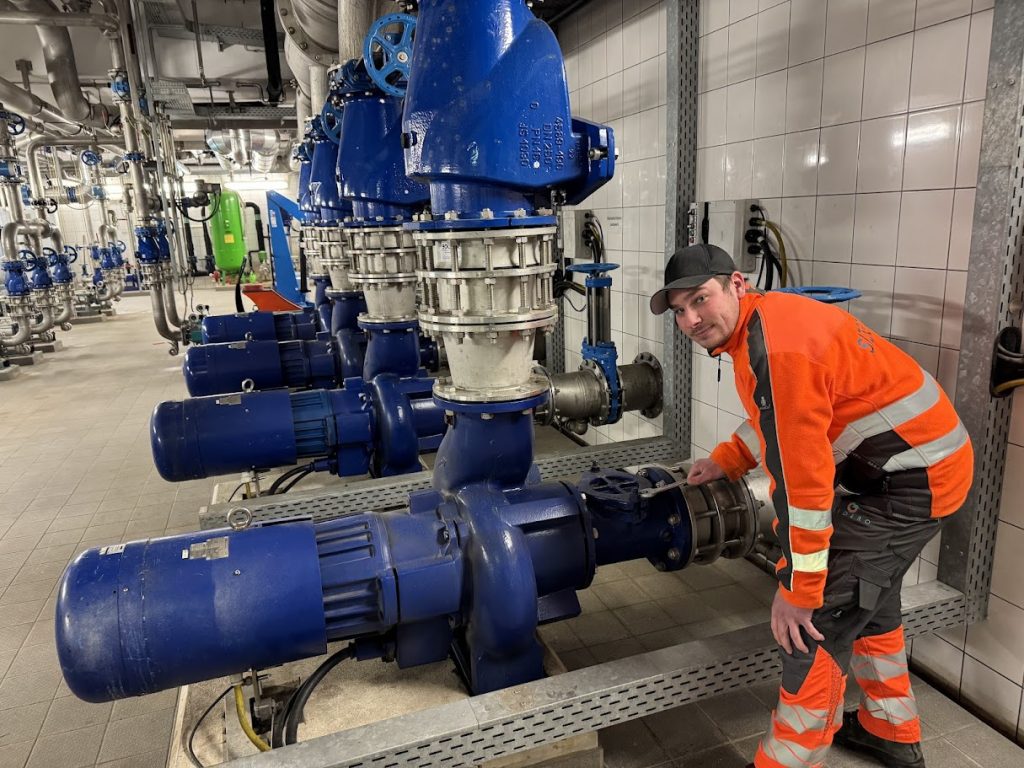
Operations Manager
Wastewater treatment plant operators ensure that wastewater from households and businesses is properly treated in treatment plants before being discharged into the environment. In this way, they protect the environment, waterways and our health.
Testimonial
Since 2022, I have been working at SIDERO as a mechanic for the operation of wastewater treatment plants. The wastewater treatment plant is a constant challenge because it is fed by the sewer network and we have no control over the composition of the wastewater. Under normal operating conditions, the facility is fully automated and we are mainly responsible for maintaining and monitoring the machinery and biomass. However, it often happens that, as a result of domestic or public incidents, hazardous substances such as chemicals, petrol or fuel oil enter the wastewater treatment plant. In these situations, we must do everything possible to comply with discharge values and ensure the safe disposal of these substances. The operation of a treatment plant also depends on weather conditions and temperatures, which means that no two working days are the same. This constant need to adapt to external conditions makes this job particularly interesting.

Tom Morth
Wastewater treatment plant operator at SIDERO since 2022
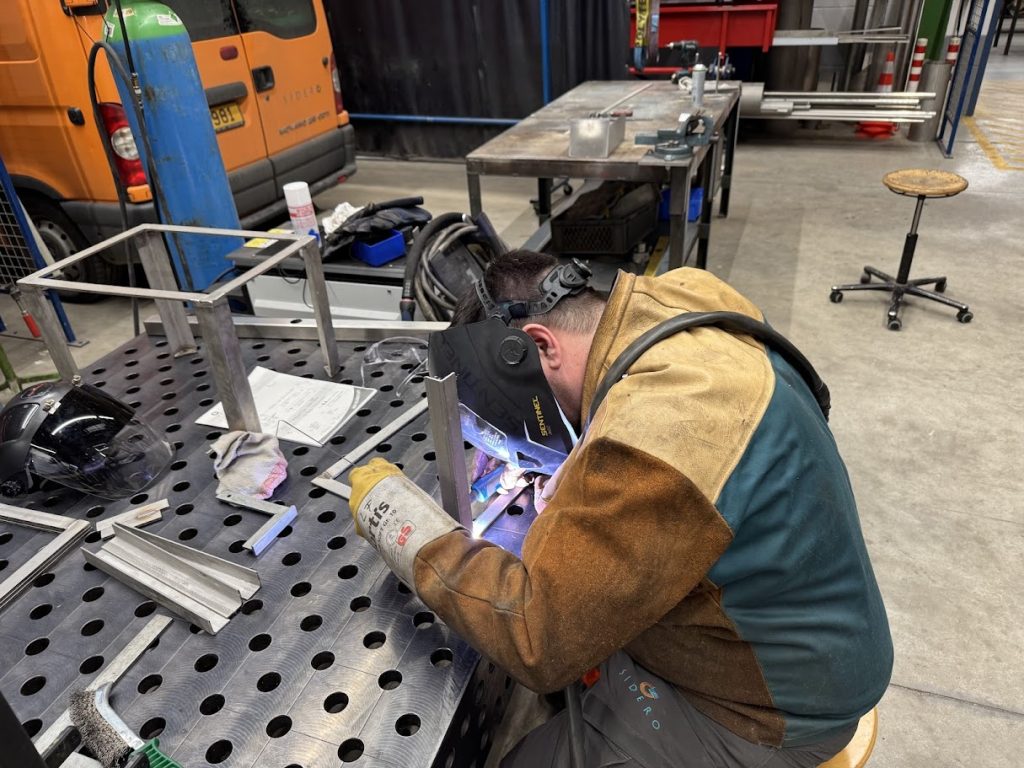
Maintenance worker
Sewer and sewage treatment plant maintenance workers ensure the proper functioning and maintenance of sewers and wastewater treatment facilities. They help prevent malfunctions and protect the environment and health.
Testimonial
Since 2022, I have been working at SIDERO as a mechanic for the operation of wastewater treatment plants. My job as a maintenance mechanic for wastewater treatment facilities is marked by many challenges. The diversity of the machines and equipment we maintain means that every day brings different and interesting work. In our well-equipped workshop, we carry out all routine repairs and maintenance work on pumps and other machines ourselves. In the event of a breakdown, creativity is often required to get the plant back up and running as quickly as possible.

Laurent Faber
SIDERO employee in the field of maintenance since 2010
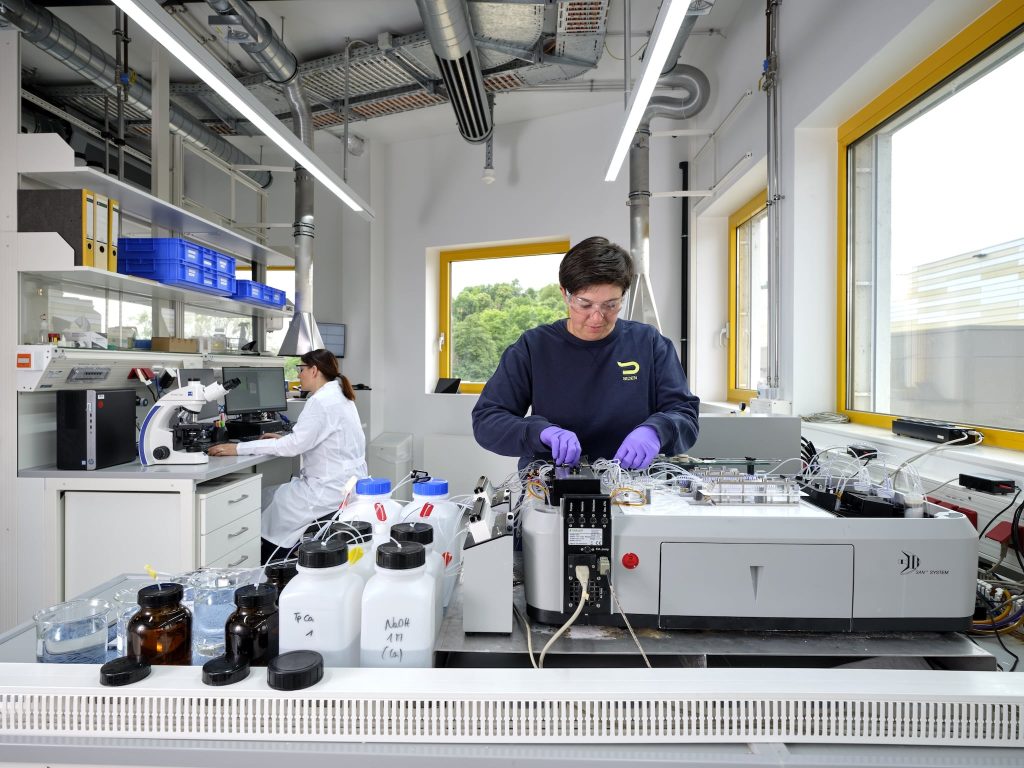
Laboratory technician
Laboratory analysts examine samples in the laboratory to determine substances, values and possible contamination. Their work provides an important basis for environmental, health and quality controls.
Testimonial
What I particularly like about my job is its great versatility and the constant challenges it presents. Almost every day, it involves solving small or large problems while demonstrating flexibility. The alternation between office work, meetings, the laboratory and interventions directly at the treatment plant makes my working day varied and stimulating. Days when things don’t go as planned, when equipment breaks down, when weather or technical conditions complicate sampling, or when unforeseen situations arise, require real organisational skills. However, I don’t hesitate to take on these challenges: on the contrary, getting my hands dirty, working directly on the machines and actively contributing to solving problems gives me great satisfaction. All the more so when, despite the difficulties, all the requirements have been met by the end of the day. I particularly appreciate being able to contribute to protecting the environment and giving something back to nature through my work. Wastewater treatment techniques are constantly evolving, with new projects and innovations. The prospect of continuously improving processes while continuing to learn makes this job particularly exciting and attractive to me.

Nadia Huet
Technical manager at the SIDEN laboratory since 2016
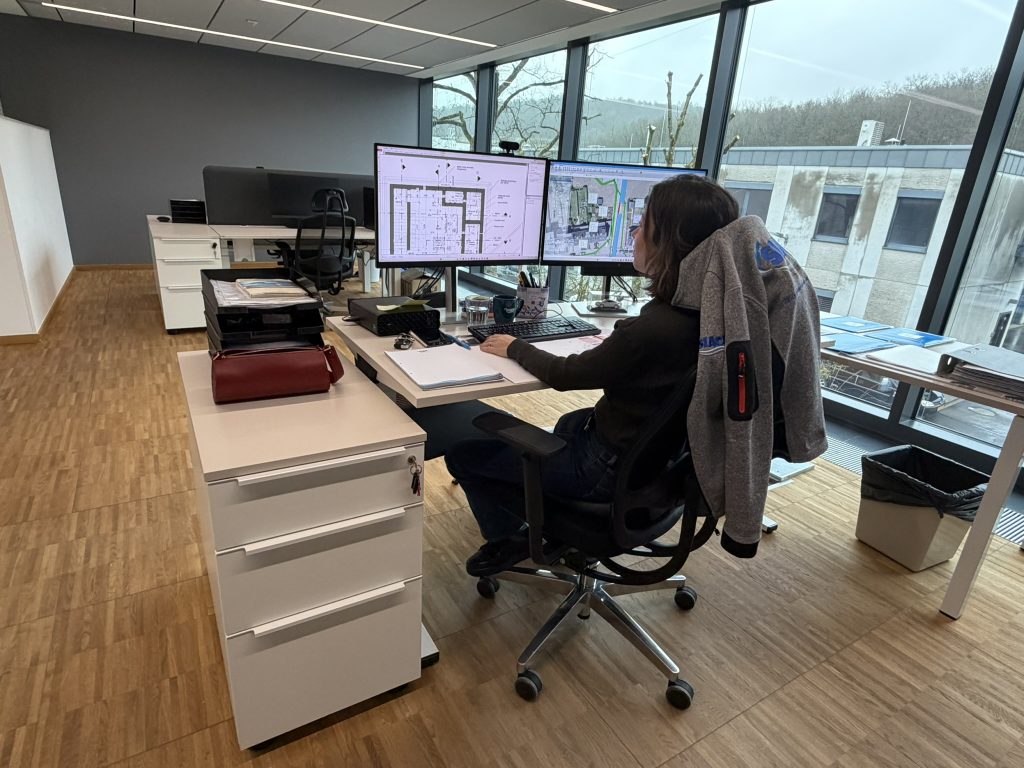
Project manager
Project managers plan, coordinate and oversee projects to ensure they are completed on time, efficiently and within the agreed budget.
Field experience
What I like about my job is its diversity. Some days are spent in meetings, others in the field, whether it’s solving a drainage problem or monitoring a construction site. We work in collaboration with various partners: local authorities, state administrations, consulting engineering firms, construction companies and, sometimes, the residents directly affected. What I appreciate is seeing projects come to fruition: a renovated network or a storm basin put into service. This allows us to contribute, at our level, to improving the living environment, public health and environmental protection. It’s a demanding but interesting job, with little routine. Our sanitation network is a living system that needs to be understood, anticipated and optimised!

Carine Guilloteaux
Technical Service Project Manager at SIACH, since 2020
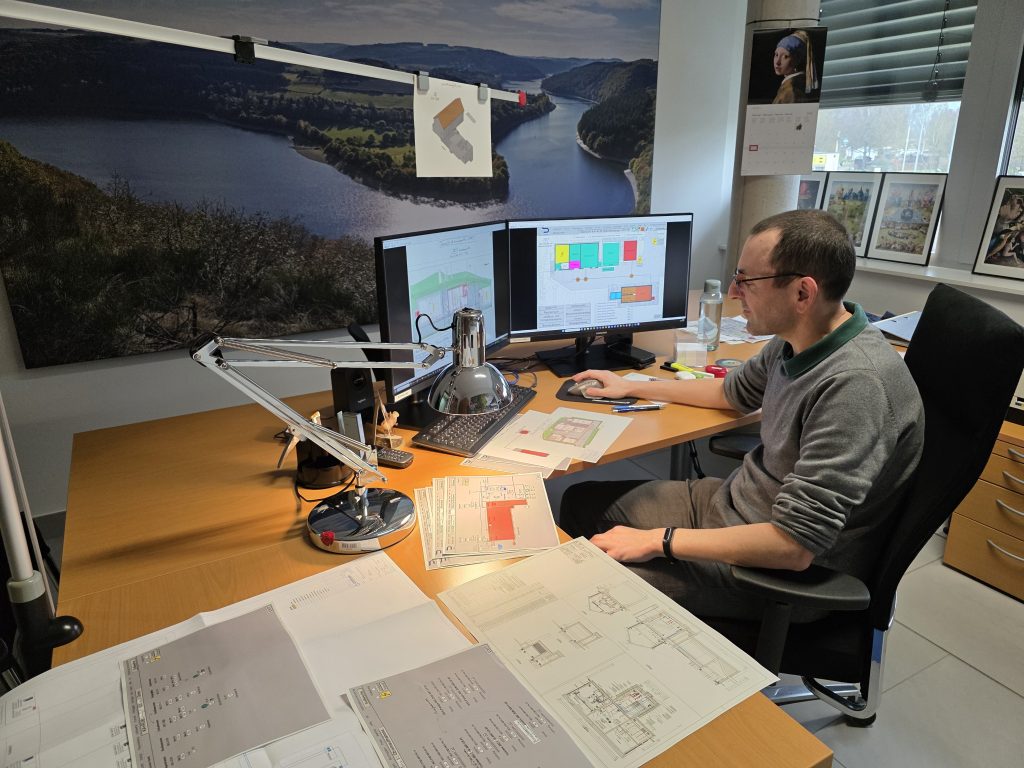
Computer scientist
IT specialists working in wastewater treatment plants develop and manage digital control and monitoring systems to ensure the efficiency, safety and reliability of wastewater treatment.
Field experience
My department combines electromechanics and IT and supports SIDEN’s technical installations from design to commissioning and day-to-day operation. We develop and program everything in-house, from control, measurement and IT systems to digital infrastructure, web and software solutions (backend and frontend in C# as well as Android mobile applications). We provide remote monitoring of our stations and ensure the reliability of the networking of all sites. We are currently also investing a lot of energy in strengthening cyber security at all levels, in view of our future status as critical infrastructure. The combination of technology, innovation, security and practical project work makes our daily tasks particularly varied, exciting and motivating.

Jean-François Differdange
Head of the Electromechanical and IT Department at SIDEN since 1999
See our FAQs
What happens to my wastewater in Luxembourg after it disappears down the drain?
In Luxembourg, your wastewater is transported via the municipal sewerage system to a treatment plant in your region, operated by the municipality or an intermunicipal syndicate. There, it is treated before being discharged into rivers such as the Alzette, Chiers, Moselle, Sûre or their respective tributaries.
What is a sewage treatment plant and what is it used for?
A wastewater treatment plant treats wastewater using mechanical, biological and chemical processes before discharging it into the natural environment. In this way, it protects our rivers, groundwater and, ultimately, our drinking water sources.
Can the treatment plant remove all pollutants from the water?
No. Certain substances such as micropollutants (medicines, certain chemicals, hormones, cosmetic residues) and microplastics can only be removed partially or at great expense. It is therefore important to prevent these substances from entering wastewater.
What happens in case of heavy rainfalls?
During heavy rainfall, large quantities of additional water can flow into the sewers. To prevent overloading, wastewater is temporarily stored or discharged in a controlled manner. In new residential areas in Luxembourg, separate systems must be installed to ensure that rainwater is not conveyed to the wastewater treatment plant.
What is wastewater?
The term “wastewater” refers to water that has been altered by its use in households, businesses and agriculture (sewage), as well as rainwater from impermeable surfaces.
Why does wastewater treatment cost money?
Sewers, pumping stations and sewage treatment plants must be built, maintained and operated. The operation of sewers and sewage treatment plants is technically complex and energy-intensive. Repairs, maintenance and modern cleaning techniques incur costs that can be reduced through responsible behaviour.
Why do I have to return my medicines to the chemist's or take them to the waste disposal centre?
Medicines contain active substances that are difficult to break down in sewage treatment plants. When they are discharged with wastewater, they end up in rivers, where they can harm animals and plants, and even enter the food chain and contaminate our food.
Why do I have to wash my car at a car wash?
Car washes treat residual waters appropriately and have a lower water consumption. The produced wastewater is connected to the wastewater treatment system.
On the opposite, when washing on public roads or in private driveways, substances such as oils, particles from tyre wear and heavy metals can often end up directly in the environment, as these facilities are frequently connected to the rainwater sewer of a separate sewer system, which flows directly into water bodies.
Who is in charge of wastewater in Luxembourg?
In Luxembourg, responsibility for wastewater treatment lies with the municipalities. However, with a few exceptions, they have transferred this task to intermunicipal syndicates. These are public establishments for municipal cooperation in which several municipalities jointly operate sewerage networks, sewer overflows, treatment plants and pumping stations. These associations enable the pooling of technical expertise and resources. They are also often relevant from a geographical point of view, as many wastewater treatment plants are connected to agglomerations covering several municipalities.
Notable exceptions are the city of Luxembourg and the municipality of Hesperange: these municipalities manage their own sewer networks and operate their own wastewater treatment plants through their technical services.
At national level, the State defines the legislative framework on the basis of European directives and monitors water quality.
Why does wastewater concern us all?
Clean water is essential for health, nature and quality of life. A look back at the Middle Ages clearly shows the consequences of a lack of targeted sewage disposal and treatment in towns and cities: diseases and epidemics were able to spread unchecked.
Beyond health considerations, wastewater treatment is also of central importance for environmental protection. Wastewater is part of a cycle: what we produce in our homes ends up in our rivers, in nature and, ultimately, back in our drinking water.
Can I visit a wastewater treatment plant in Luxembourg?
Yes. Several wastewater treatment plants and sanitation associations in Luxembourg offer free guided tours, particularly for schools, associations, local authorities and interested groups.
These visits provide a practical insight into how wastewater is treated and why responsible behaviour in everyday life is so important.
Information about visits can be obtained:
- at the local municipality
- with the wastewater syndicate in charge
- or as part of national information and awareness campaigns, for example here on the website.
What does the term 'population equivalent' mean?
The concept of population equivalent (PE) describes the daily amount of wastewater per capita, either in terms of volume or degree of pollution. This unit allows wastewater from craft, commercial or industrial activities to be equated with domestic wastewater corresponding to a given number of inhabitants.
The population equivalent is used in particular for assessing and sizing the capacity of wastewater treatment plants. A wastewater treatment plant is designed for a certain number of population equivalents (PE); this value corresponds to the sum of the connected inhabitants and the population equivalents associated with non-domestic discharges.
How is wastewater treatment regulated by law?
The European Directive on urban wastewater treatment (DERU, Directive 2024/3019) replaces the previous directive (91/271/EEC) and sets out the rules applicable across the European Union for the collection, treatment and discharge of urban waste water. It is currently being transposed into Luxembourg law.
Compared to the previous directive, the new directive now also applies to treatment plants with a population equivalent of 1,000 or more (compared to 2,000 previously). The introduction of quaternary treatment necessary for the removal of micropollutants present in urban waste water for certain treatment plants is included in the directive.
The directive also introduces an obligation for municipalities to draw up integrated urban waste water management plans and to reduce discharges of inadequately treated water (combined sewer overflows). The requirements for reducing nutrients, in particular nitrogen and phosphorus, are adapted to recognised rules of technology.
Finally, the directive sets the objective of achieving energy neutrality for wastewater treatment plants by 2045.
Why is it important to be careful about what I flush down the toilet and drain?
Everything that ends up in the drains must be transported to the treatment plant for processing. Certain substances, such as medicines and chemicals, are difficult or even impossible to remove and cause damage and high costs. Other substances, such as fats and wet wipes, can cause problems such as blockages and fat deposits on their way to the treatment plant, i.e. in the sewers.
Can I flush wet wipes down the toilet if they are 'biodegradable'?
No. Even “biodegradable” wet wipes do not dissolve quickly enough in water. They must always be disposed of with residual waste.
Why should I not pour cooking oil and grease down the drain?
Fat solidifies as it cools, settles in pipes and causes blockages. This leads to damage to pipes and malfunctions in sewage treatment plants.
Can I throw my cigarette butts into a drain?
No. Most drains are connected to the rainwater drainage system and carry water directly to streams or rivers. Cigarette butts therefore end up directly in the natural environment.
The ideal solution is, of course, to give up smoking altogether.
What can I personally do to relieve the burden on sewage treatment plants?
Even small measures can help: do not pour grease down the drain, do not flush wet wipes down the toilet, use cleaning products sparingly, dispose of medicines properly and use water responsibly.